by Raúl | Aug 5, 2026 | A2 Key (KET)
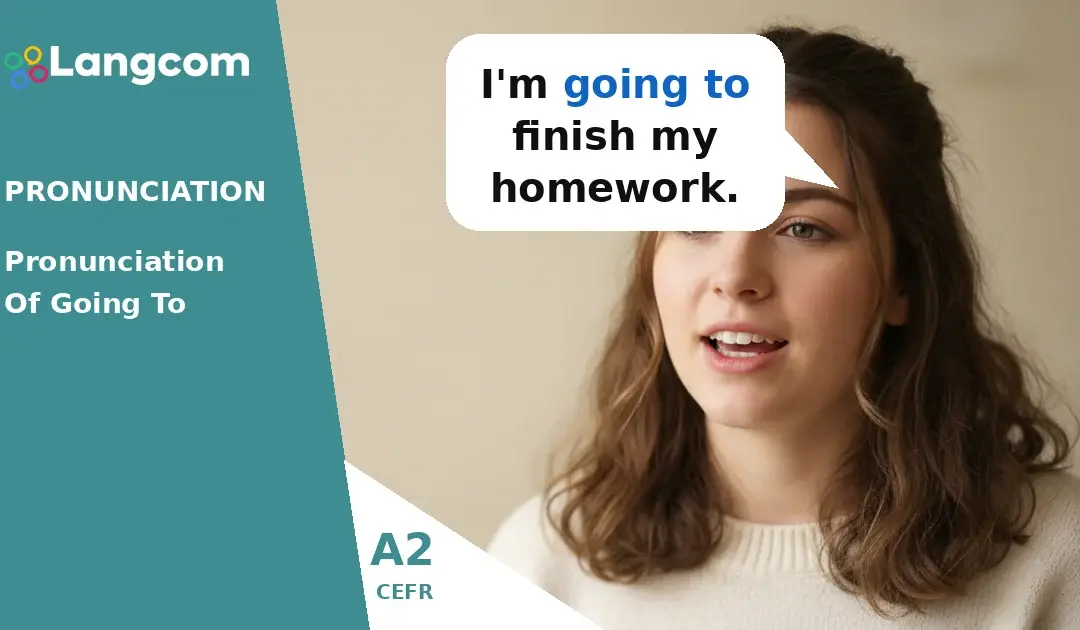
You can pronounce going to in two main ways in English: the full, clear way, and a faster, reduced way that sounds like gonna. The full pronunciation, /ˈɡoɪŋ tuː/, is used when you speak slowly and clearly, or in more formal situations. You say each word distinctly,...

by Raúl | Aug 5, 2026 | A2 Key (KET)
Adjectives help you describe things and feelings in English, making your communication much clearer and more expressive. At A2 level, mastering descriptive adjectives is key to sharing your opinions and experiences. For positive situations, you can use strong words...
by Raúl | Aug 5, 2026 | A2 Key (KET)
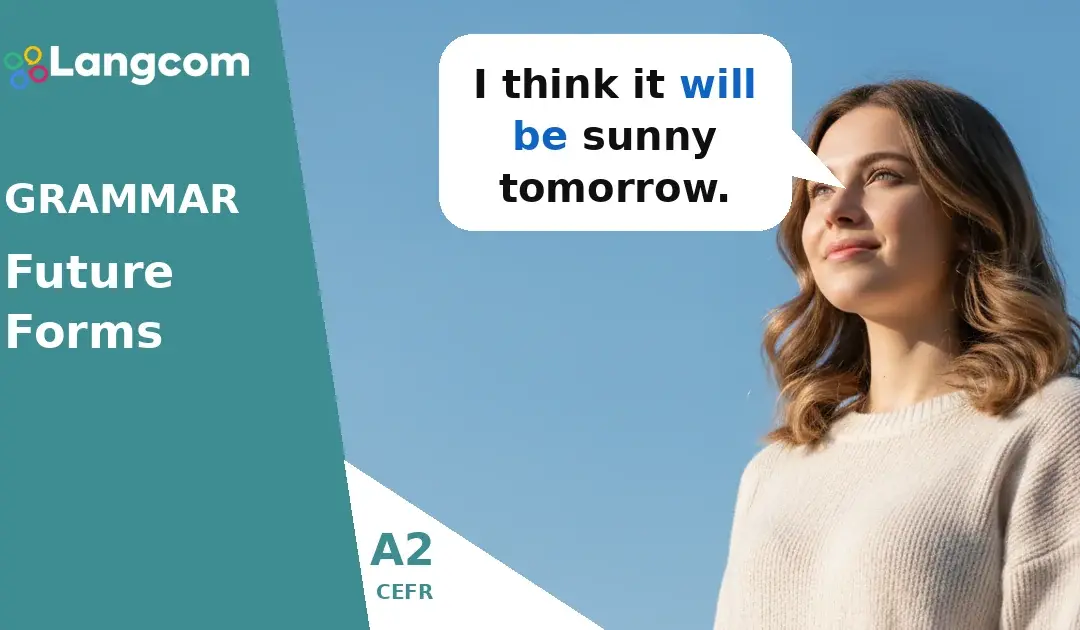
English uses three main grammar forms to talk about the future: will, the present continuous, and the present simple. Each form has a specific use and helps you express different types of future events. We use will for general predictions about what we think will...
by Raúl | Aug 5, 2026 | A2 Key (KET)
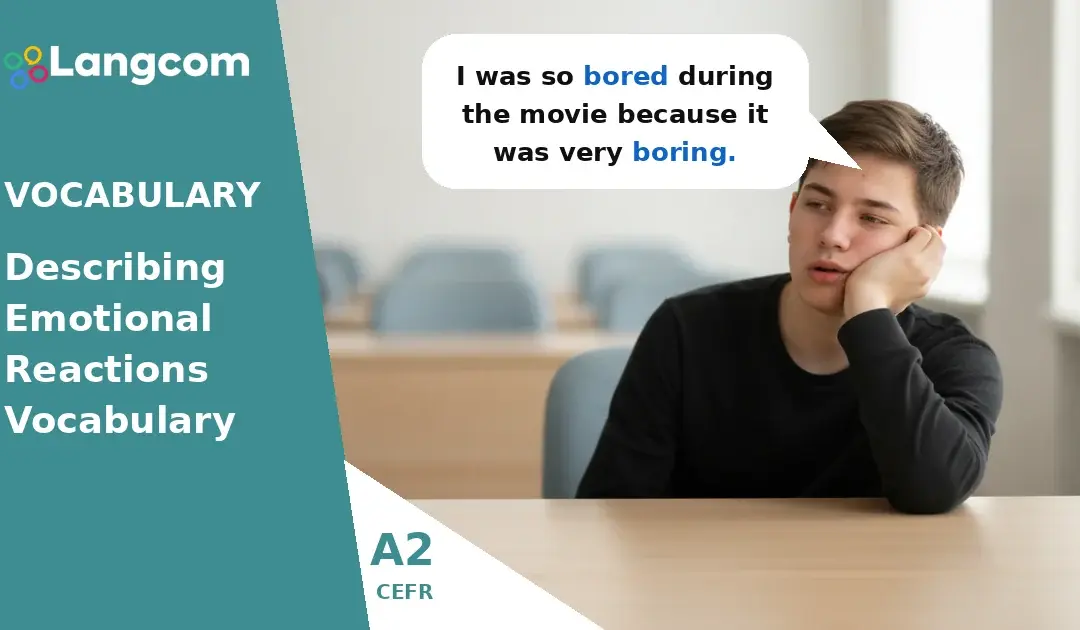
Understanding the difference between -ed and -ing adjectives for feelings is key to clear English communication at A2 level. Adjectives ending in -ed describe *how a person feels*. For example, if you say I am bored, it means *you* have the feeling of boredom. On the...

by Raúl | Aug 5, 2026 | A2 Key (KET)
The Past Simple tense in English helps us talk about actions that started and finished in the past. It’s crucial for describing events, stories, and what happened at a specific time. We use it for completed actions, whether they happened yesterday, last week, or...
by Raúl | Aug 5, 2026 | A2 Key (KET)
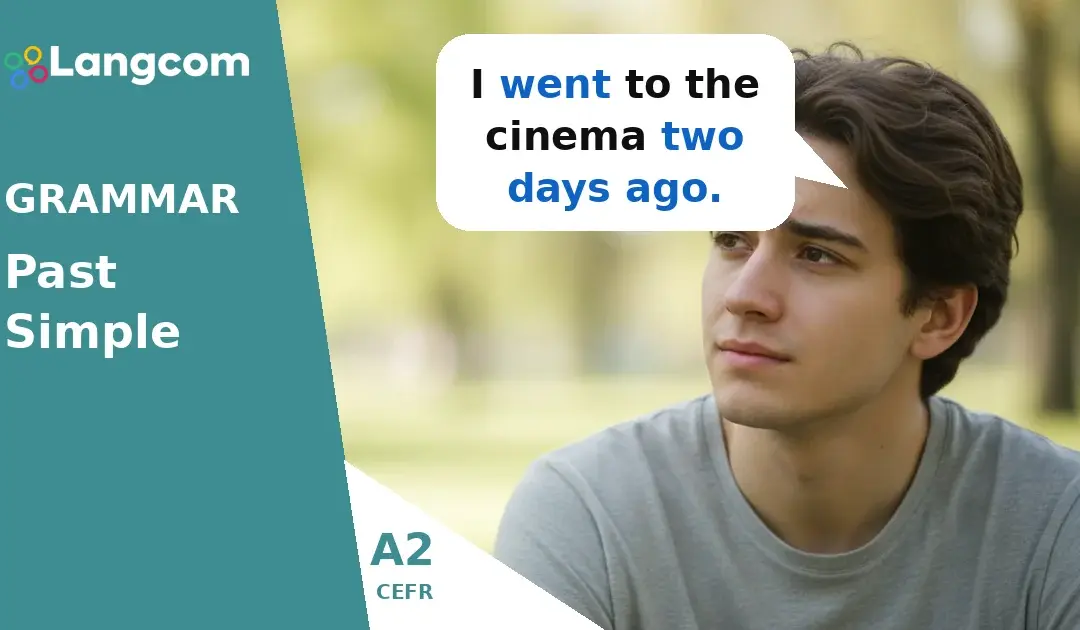
We use ago with the Past Simple to say how much time has passed since an event happened. This word always comes *after* a time expression, like two days, a week, or three months. It helps us specify a clear point in the past, counting back from the present moment. For...
