by Raúl | Sep 7, 2026 | A2 Key (KET)
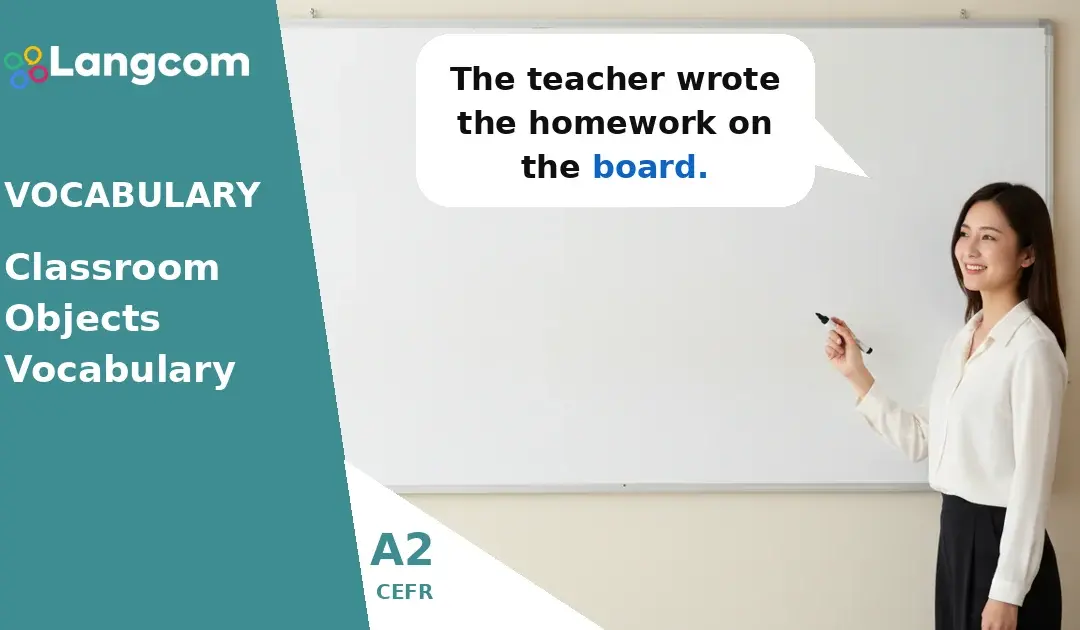
Learning the names of common classroom objects is a vital step for A2 English learners, especially for the A2 Key (KET) exam. This vocabulary helps you understand your teacher, participate in class, and talk about your school supplies. You will be able to ask for...
by Raúl | Sep 7, 2026 | A2 Key (KET)
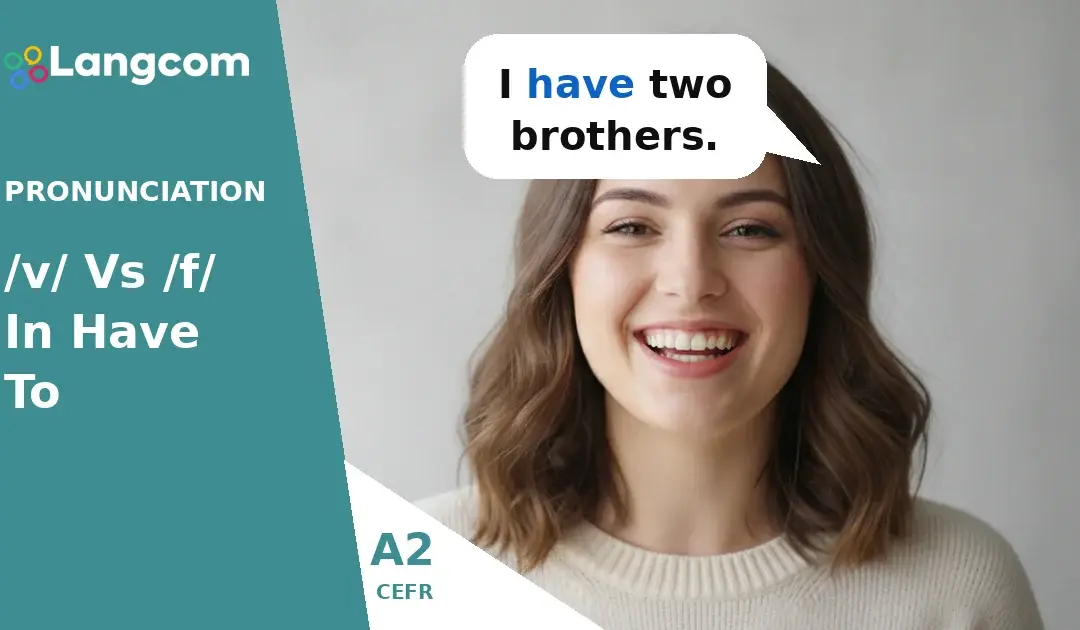
The pronunciation of have changes depending on its use: as a main verb, it sounds like /v/, but in the phrase have to (meaning ‘must’), it sounds like /f/. This small change is very important for clear English speaking. For example, when you say I have a...
by Raúl | Sep 7, 2026 | A2 Key (KET)
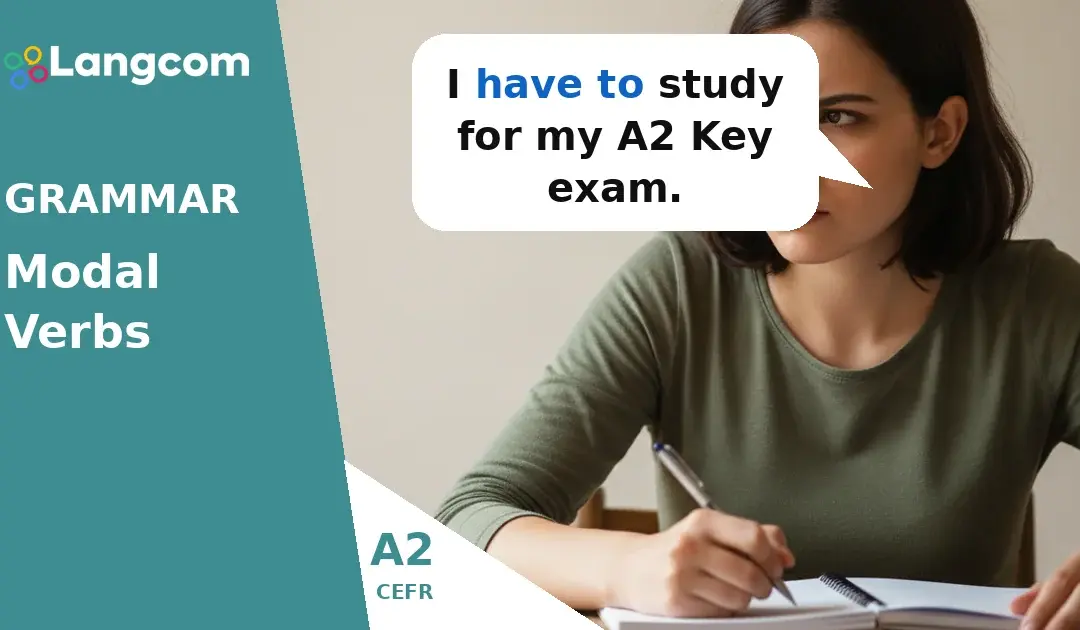
Have to is a very common English expression used to talk about things that are necessary or obligatory. It shows that there is a rule, a law, or an external situation that makes an action required. For example, I have to wear a uniform at work means it’s a rule...
by Raúl | Sep 7, 2026 | A2 Key (KET)
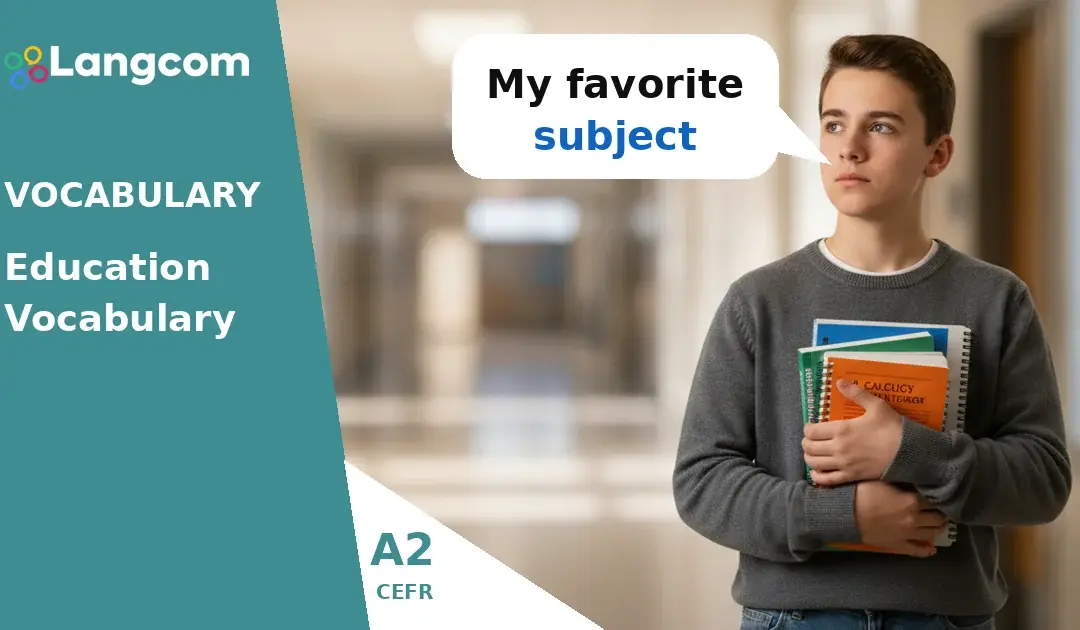
Learning the names of school subjects in English is important for A2 learners because it helps you talk about your education, daily routine, and interests. School subjects are the different classes or areas of study you have at school, such as maths, history, or...
by Raúl | Sep 7, 2026 | A2 Key (KET)
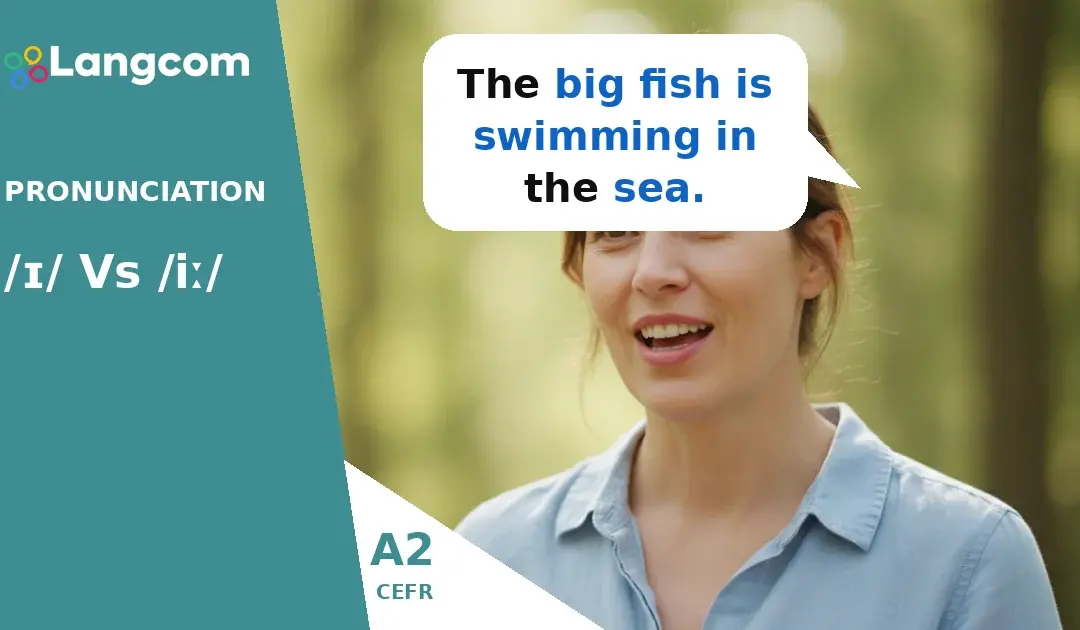
The English sounds /ɪ/ (as in ship) and /iː/ (as in sheep) are two distinct vowel sounds that are very important for clear communication. The main difference is length and tension: /ɪ/ is a short, relaxed sound, while /iː/ is a long, tense sound. Many words change...
by Raúl | Sep 7, 2026 | A2 Key (KET)
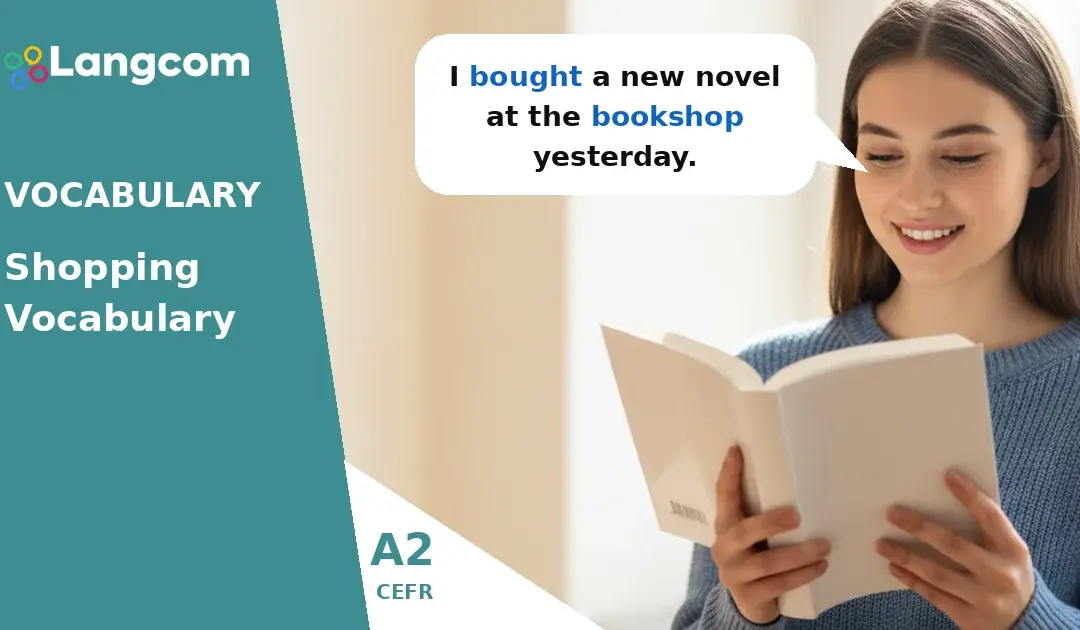
Learning essential shopping vocabulary helps you talk about buying things in English with confidence. Knowing the names of different shops and what you can find in each one is a key part of everyday communication. For instance, if you want to buy a new novel or a...
