by Raúl | Sep 7, 2026 | A1 Beginner English
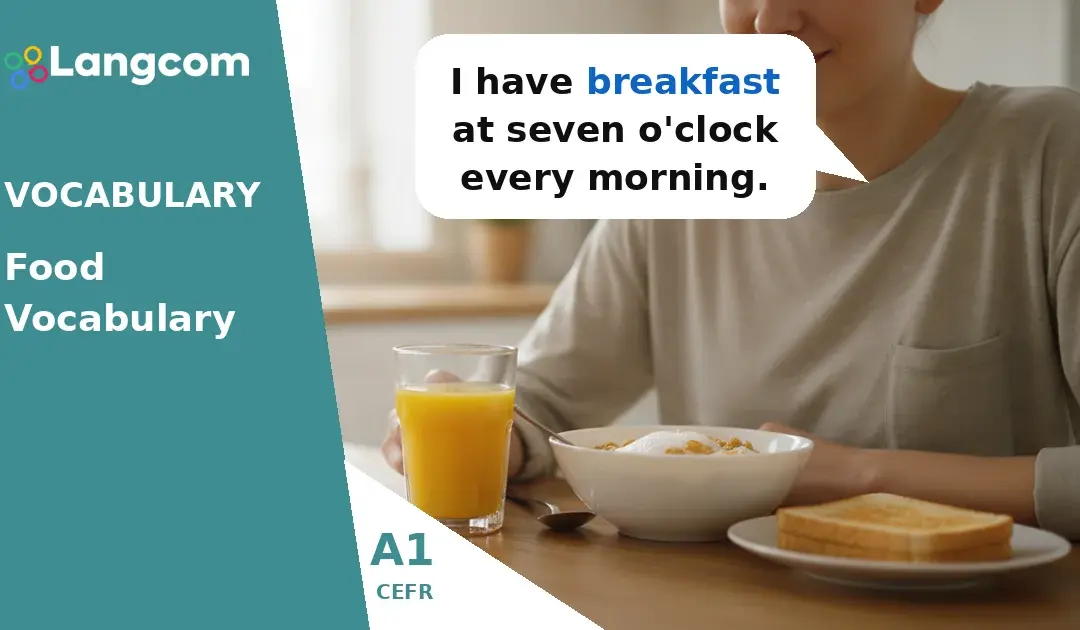
In English, we use specific words like breakfast, lunch, and dinner to talk about the main meals of the day. These words are very common in daily conversation and help you share information about your routine. To say you eat a meal, we usually use the verb have. For...
by Raúl | Sep 7, 2026 | A1 Beginner English
To ask questions in the Present Simple for subjects I, you, we, and they, you always start with the word Do. This is very important! After Do, you add the subject (like you or they), and then the main verb in its base form. For example, to ask about someone’s...

by Raúl | Sep 7, 2026 | A1 Beginner English
The Present Simple tense helps us talk about habits, routines, and facts that are always true. For example, I eat breakfast every day. This tense is very important for A1 English learners because it describes things that happen regularly or are always true. You use it...
by Raúl | Sep 7, 2026 | A1 Beginner English
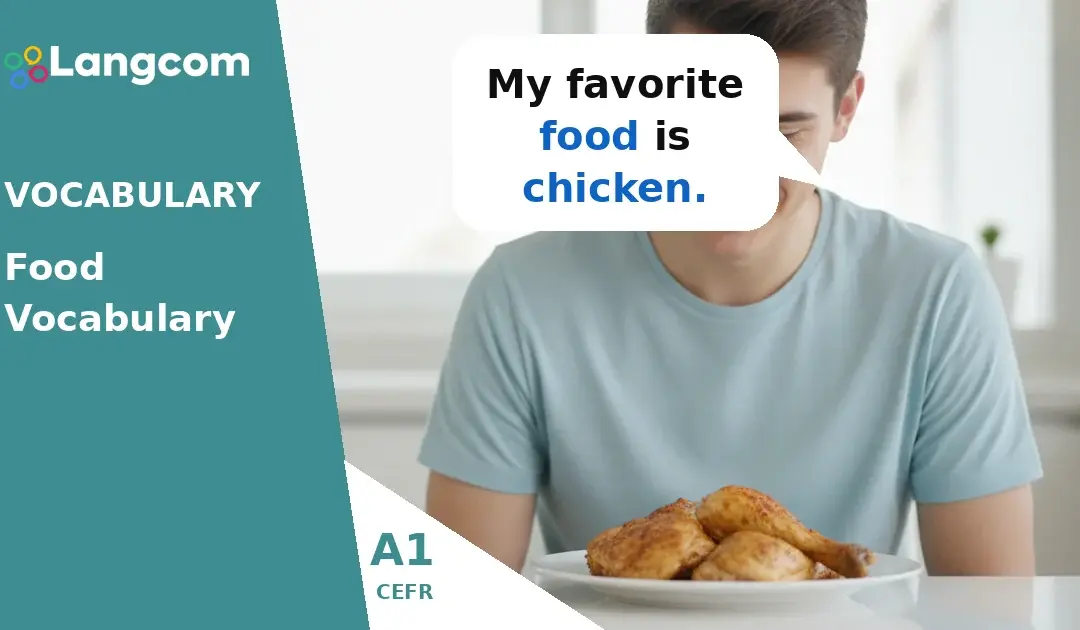
Learning basic food vocabulary is essential for everyday English conversations. Imagine you are in a restaurant, a supermarket, or talking with friends about what you like to eat. You need to understand and say the names of different foods. This lesson will help you...
by Raúl | Sep 7, 2026 | A2 Key (KET)
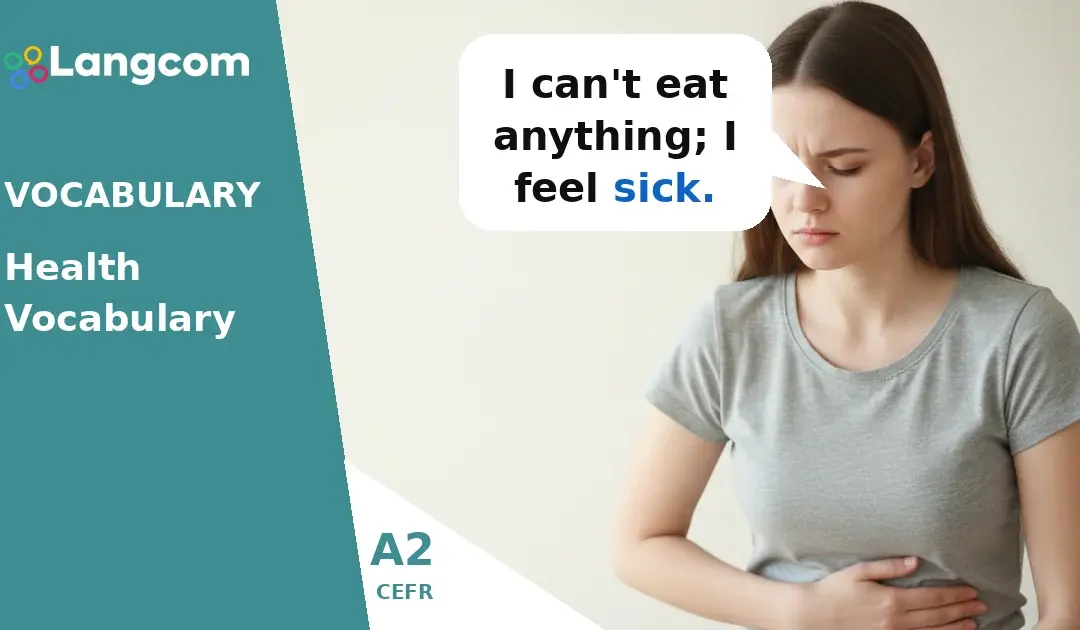
To talk about health problems in English, you can use phrases like “I feel sick” or “I’ve got a cold.” These expressions help you describe general discomfort, specific pains, or common illnesses. We often use “I feel…”...
