by Raúl | Aug 4, 2026 | A2 Key (KET)
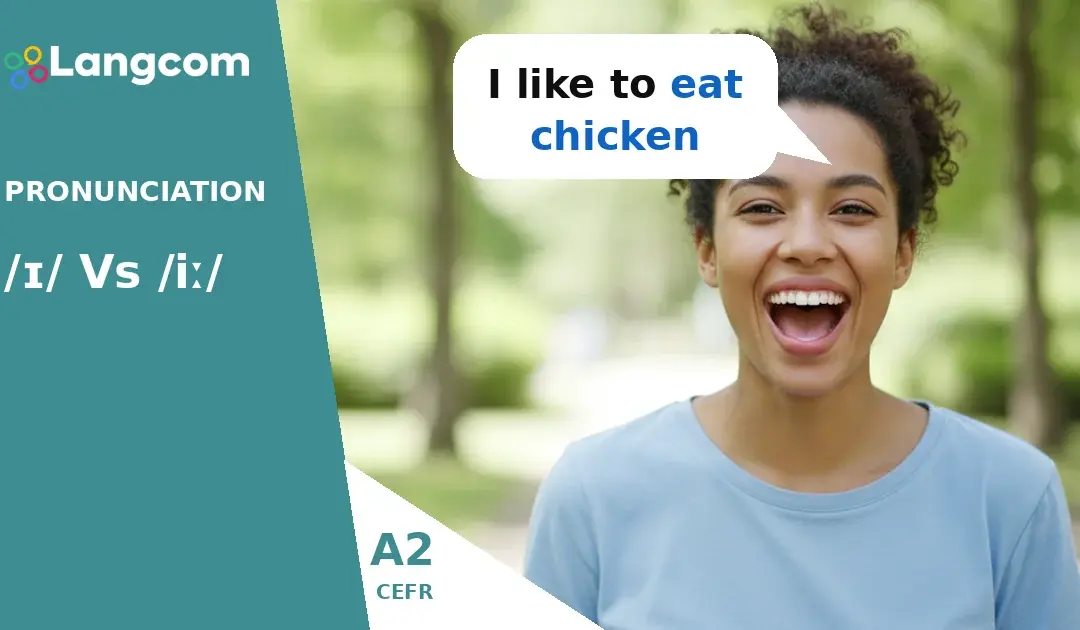
The English sounds /ɪ/ (short ‘i’) and /iː/ (long ‘ee’) are different and important for clear communication. The /ɪ/ sound is short and relaxed, like the ‘i’ in chicken or sit. Your mouth is slightly open, and your tongue is relaxed...
by Raúl | Aug 4, 2026 | A2 Key (KET)
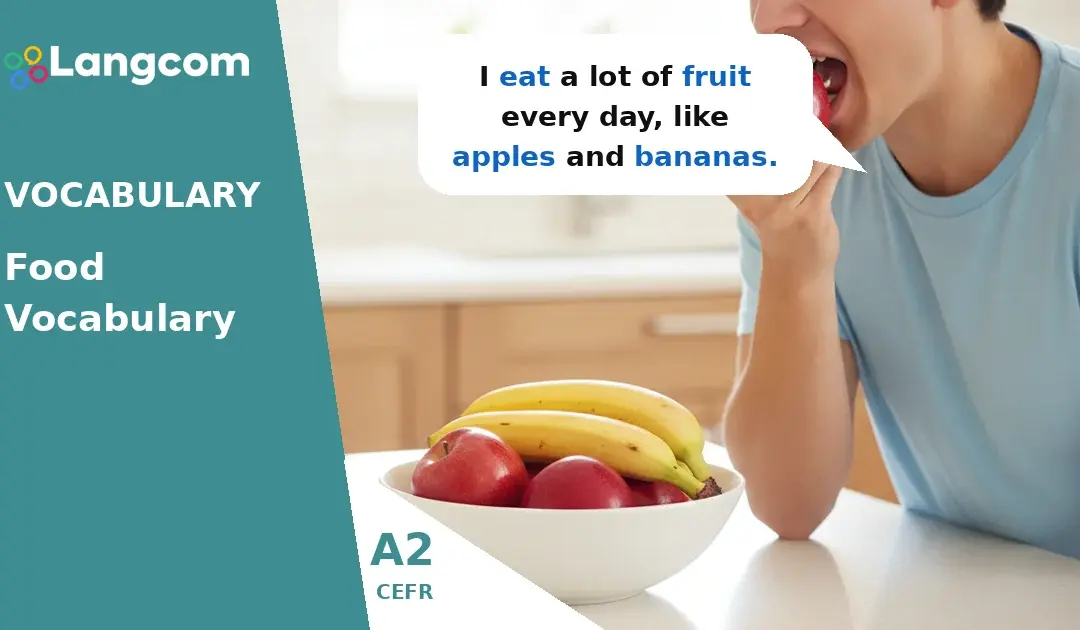
Understanding food groups helps you talk about what you eat, shop for food, and understand healthy diets in English. These groups categorize different types of food, like fruit, vegetables, dairy products, and meat. Learning these words is important for daily...
by Raúl | Aug 4, 2026 | B1 Intermediate English
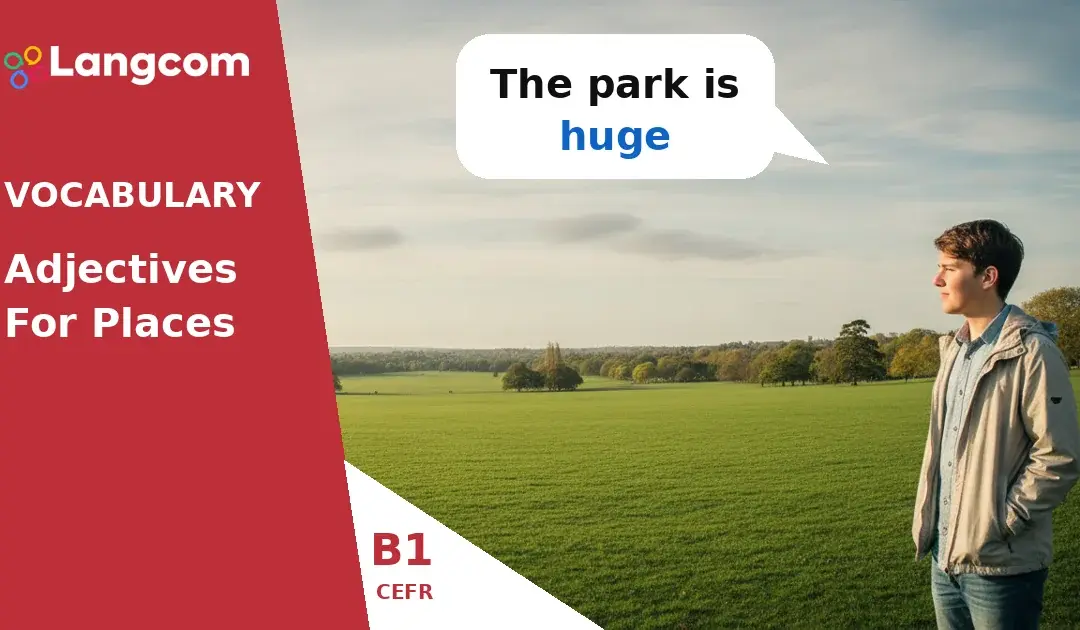
Adjectives for places are words that describe nouns like cities, buildings, parks, and rooms, making your English descriptions much richer and more precise. They tell us about a place’s size, appearance, atmosphere, age, and more. For example, instead of just...
by Raúl | Aug 4, 2026 | B1 Intermediate English
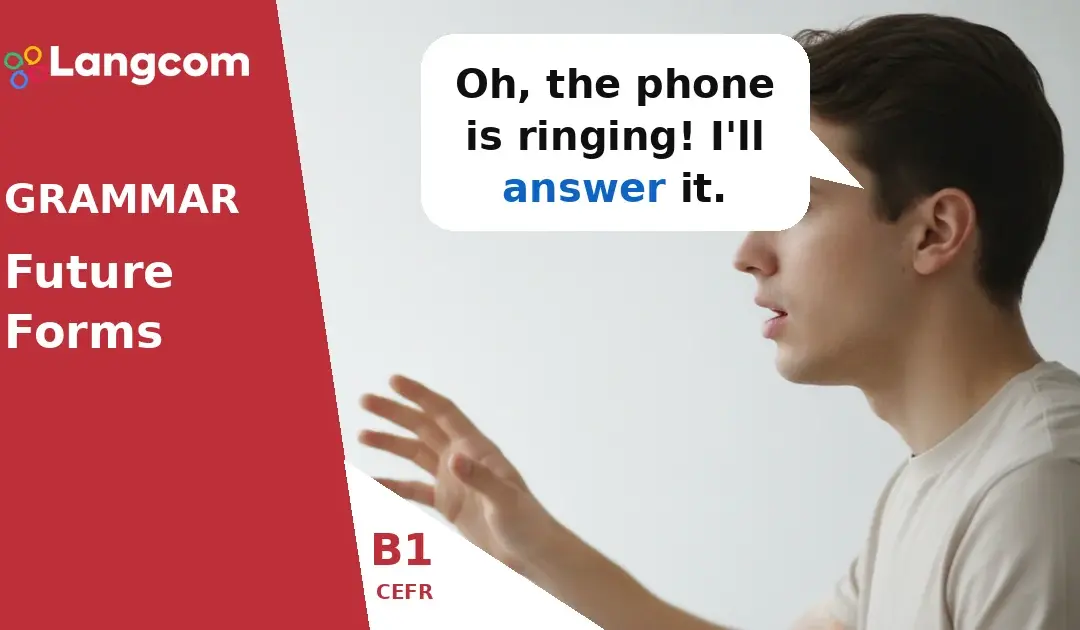
Will is used for spontaneous decisions, offers, promises, and requests about the future, while shall is primarily used in questions to make offers or suggestions, especially with I and we.We often use will when we decide something at the moment of speaking. For...
by Raúl | Aug 4, 2026 | B1 Intermediate English
In B1 English, we use both the Present Continuous and be going to to talk about the future, but they have slightly different uses. We use the Present Continuous for fixed arrangements – things you have already planned, agreed, and often booked with other people. Think...
