by Raúl | Aug 5, 2026 | A1 Beginner English
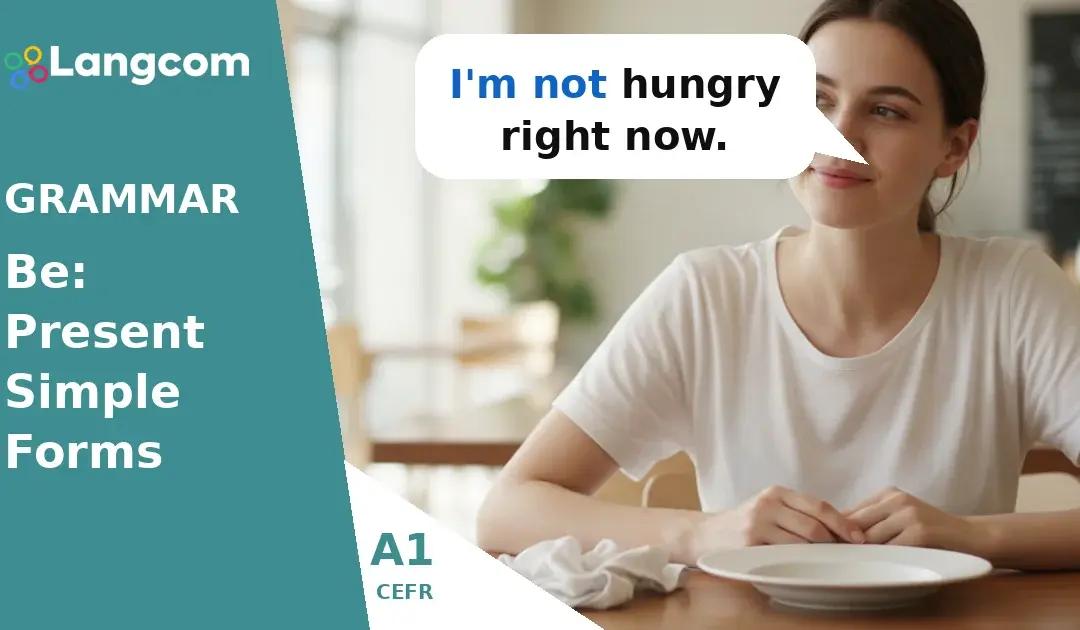
To make ‘be’ negative for ‘I,’ ‘you,’ and ‘we,’ you add not after the verb. This is a basic rule for A1 English. For ‘I,’ we say I am not or the short form I’m not. For ‘you’ (singular or...
by Raúl | Aug 5, 2026 | Pre A1 Beginner English for Kids
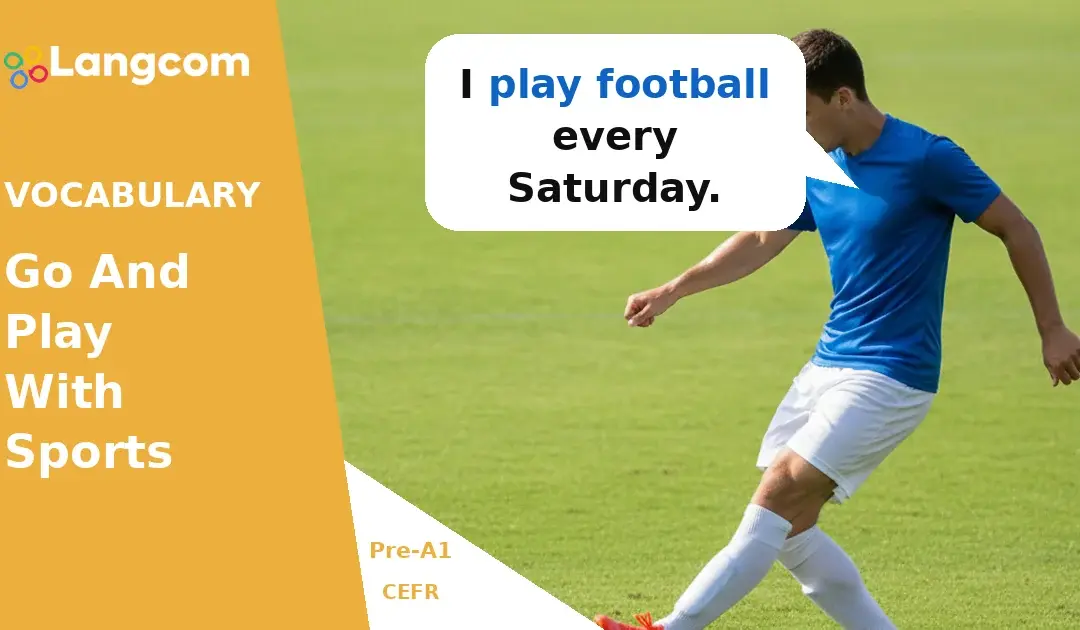
In English, we use two main verbs, play and go, to talk about sports and activities. It is important to choose the correct verb to sound natural. We use play for sports that typically involve a ball, like football or basketball, and for competitive team sports or...
by Raúl | Aug 5, 2026 | Pre A1 Beginner English for Kids
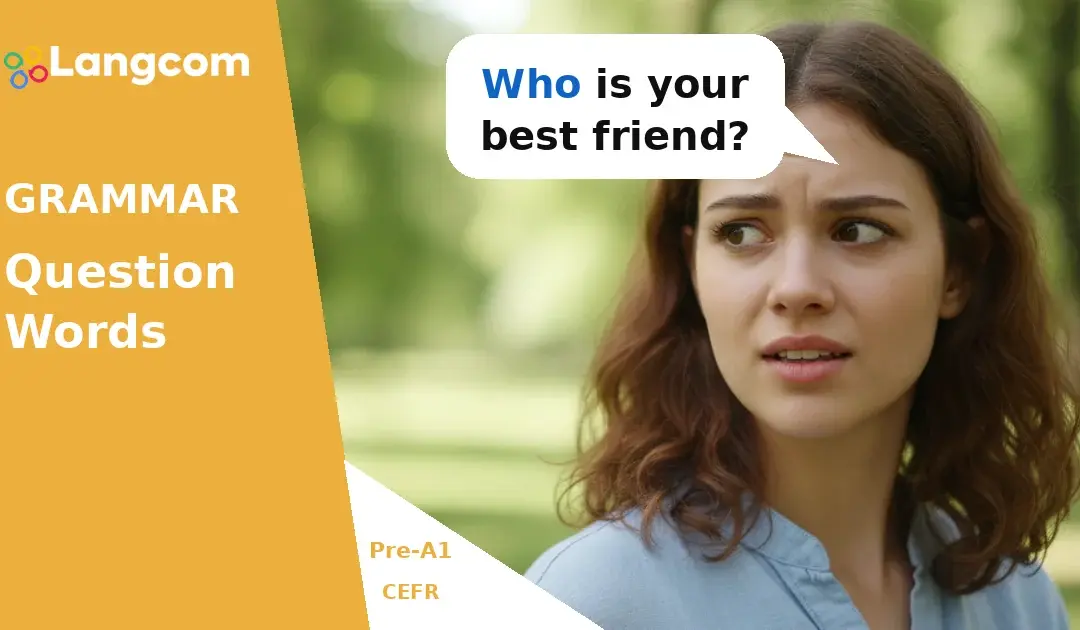
Question words help you ask for specific information in English. They are very important for conversations. When you want to know about a person, a thing, a place, or a time, you use a special word at the beginning of your question. For example, you use Who to ask...
by Raúl | Aug 5, 2026 | A2 Key (KET)
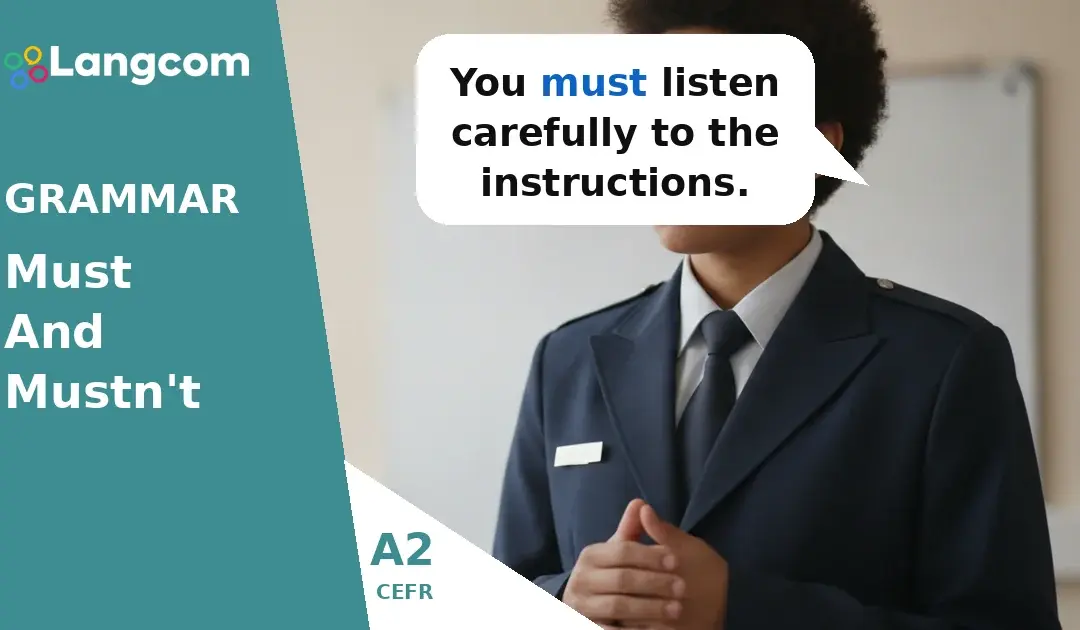
Must and mustn’t are modal verbs we use to talk about rules, obligations, and things that are very important to do or not to do. We use must when something is necessary or when we give strong advice. For example, You must wear a seatbelt in the car. This shows a...
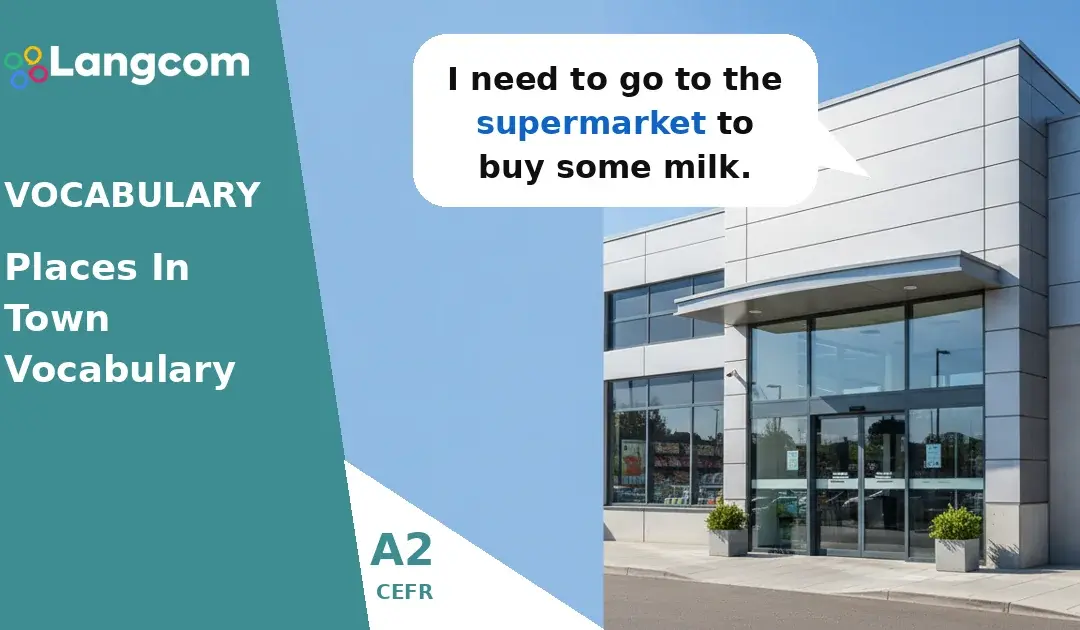
by Raúl | Aug 5, 2026 | A2 Key (KET)
Learning vocabulary for places in town is very important for A2 English learners because it helps you talk about your daily life, ask for directions, and understand conversations about where people go. These words are useful for shopping, finding services like a bank...
