от Рауль | Сен 23, 2026 | A1 Английский для начинающих детей
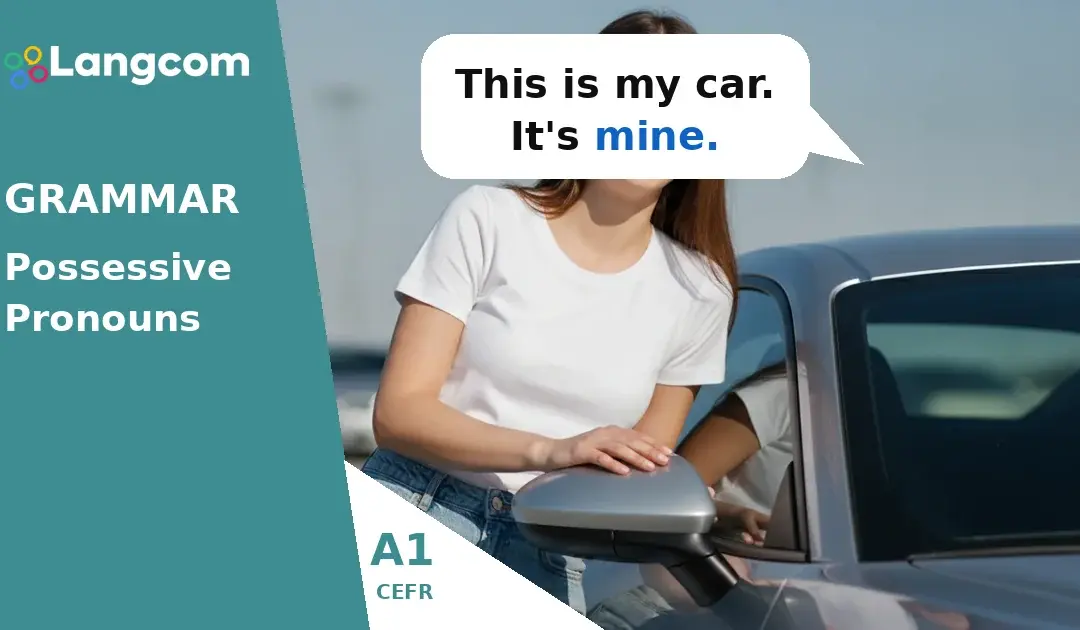
Possessive pronouns show who owns something without needing to say the noun again. They make sentences shorter and clearer. In English, the main possessive pronouns are mine, yours, his, hers, ours, and theirs. For example, instead of saying This is my book and then...
от Рауль | Сен 23, 2026 | A1 Английский для начинающих детей
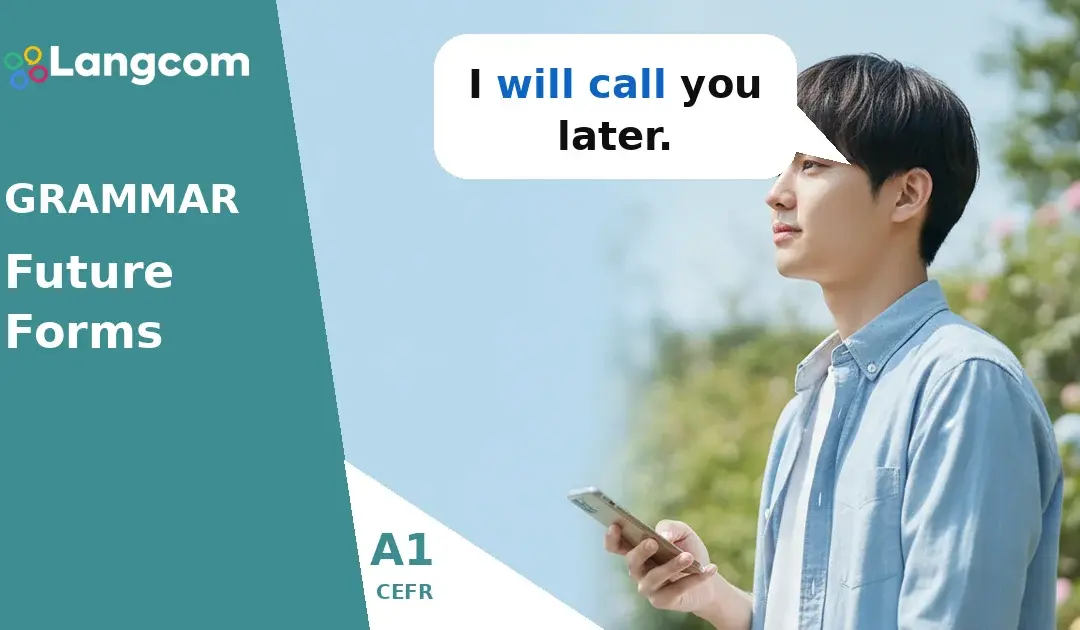
We use will to talk about the future. This means we talk about things that are not happening now and did not happen in the past. It is very useful for making simple predictions about what you think will happen. You can also use will for decisions you make right now,...
от Рауль | Сен 23, 2026 | A1 Английский для начинающих детей
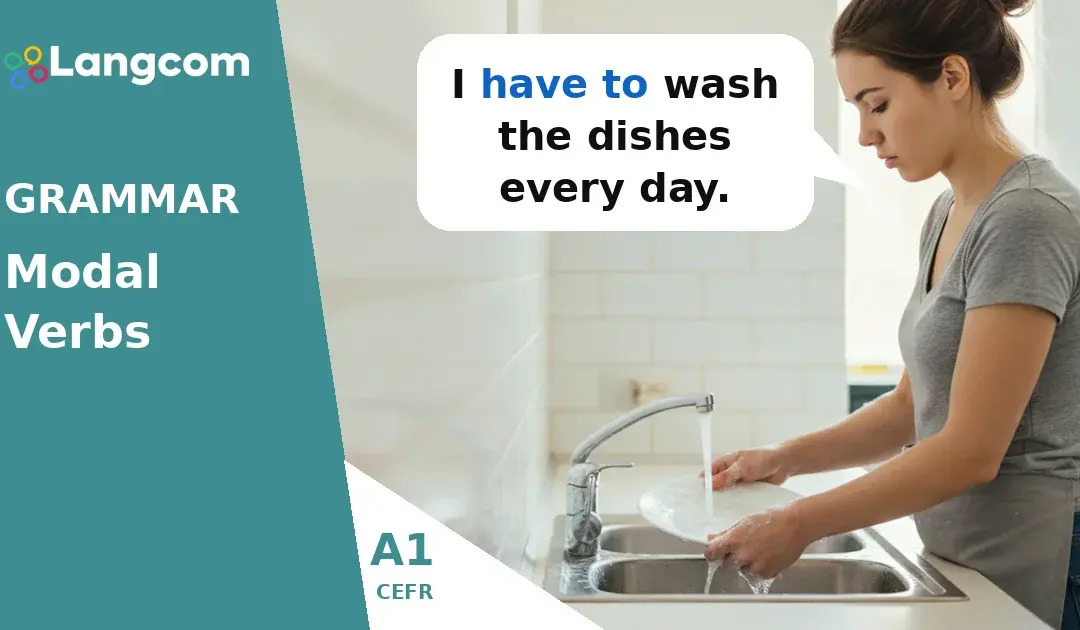
We use have to to talk about rules, obligations, or things that are necessary. It means something is required, like a chore, a school rule, or a work task. You cannot choose not to do it. For example, I have to go to school means school is mandatory for you. We use...
от Рауль | Сен 23, 2026 | A1 Английский для начинающих детей
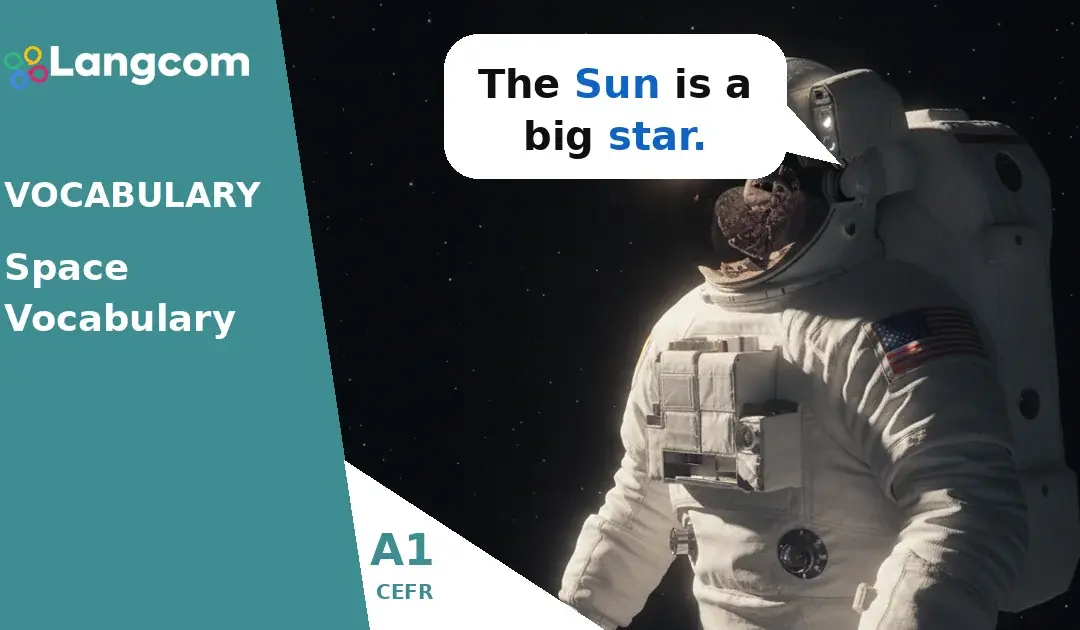
Learning space vocabulary helps you talk about the sky, planets, and amazing things far away from Earth. These words describe objects like stars and planets, and also people and things that travel there, like an astronaut in a spaceship. You will also learn about...
от Рауль | Сен 23, 2026 | A1 Английский для начинающих детей
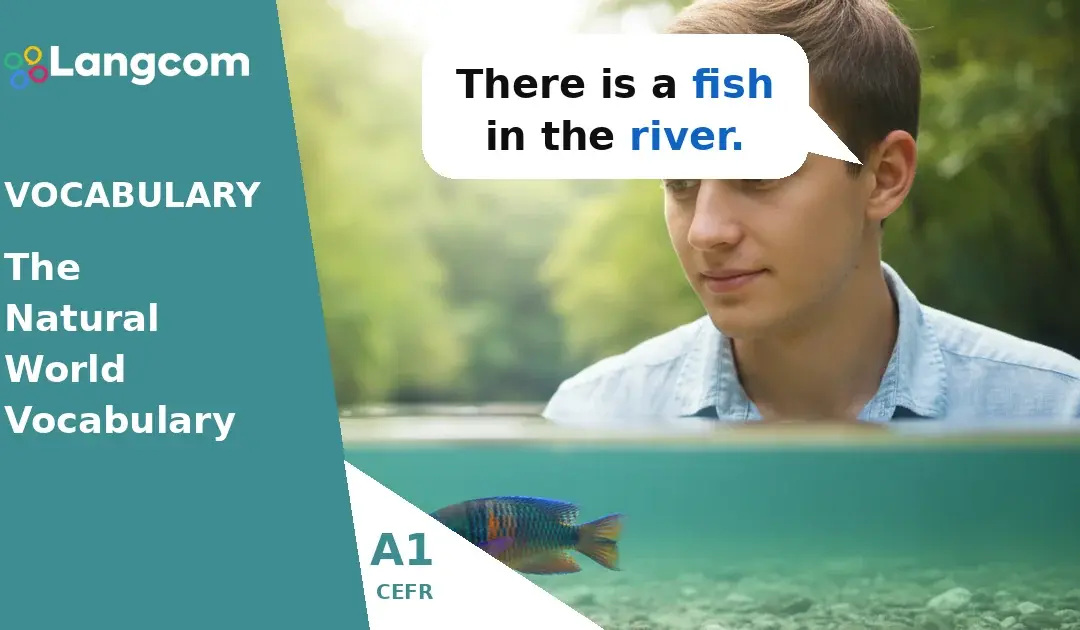
To talk about locations in the natural world, we often use the prepositions in and on. These small words help us say exactly where something is. For example, we say in the river for something inside the water, and on the mountain for something on its surface....
от Рауль | Сен 23, 2026 | C1 Advanced (CAE)
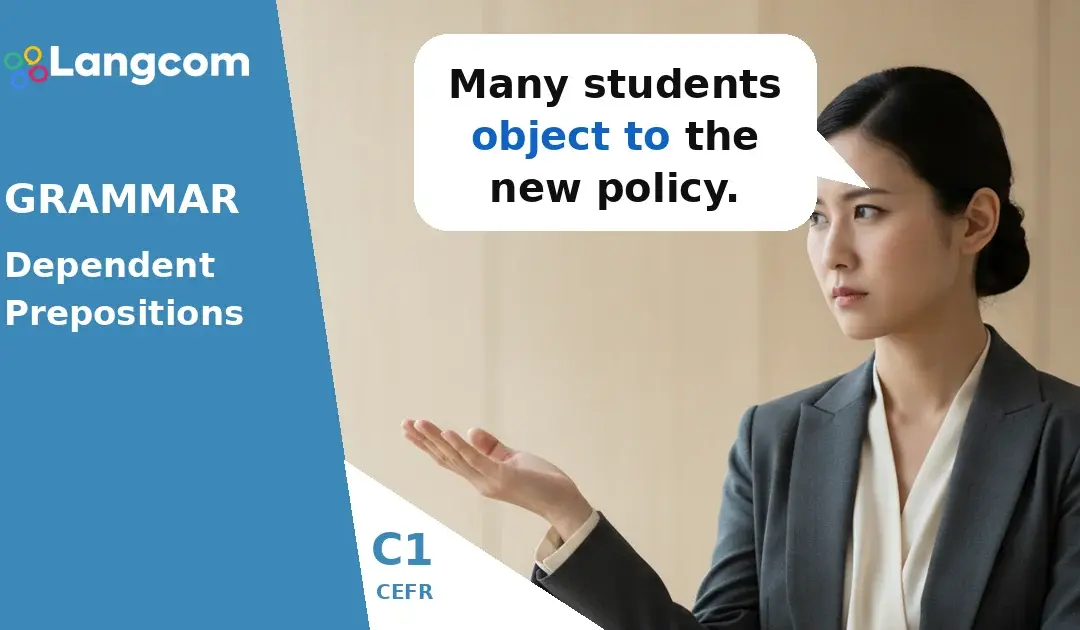
Dependent prepositions are fixed pairs of verbs, nouns, or adjectives that always take a specific preposition in English, crucial for C1 learners to achieve natural and accurate communication. Unlike regular prepositions that indicate time or place, dependent...
