
por Raúl | 30 de julho de 2026 | Inglês intermediário B1
To form negative sentences and questions in the Past Simple, we use the auxiliary verb did. This is a key rule for most verbs in English. For negative statements, you combine did with not (or didn’t) and the base form of the main verb. For questions, did comes...

por Raúl | 30 de julho de 2026 | Inglês intermediário B1
The Past Simple positive describes actions that started and finished at a specific time in the past. It is one of the most common tenses in English, used to talk about completed events, stories, and past habits. To form it, we use the base form of regular verbs and...
por Raúl | 30 de julho de 2026 | C1 Advanced Inglês
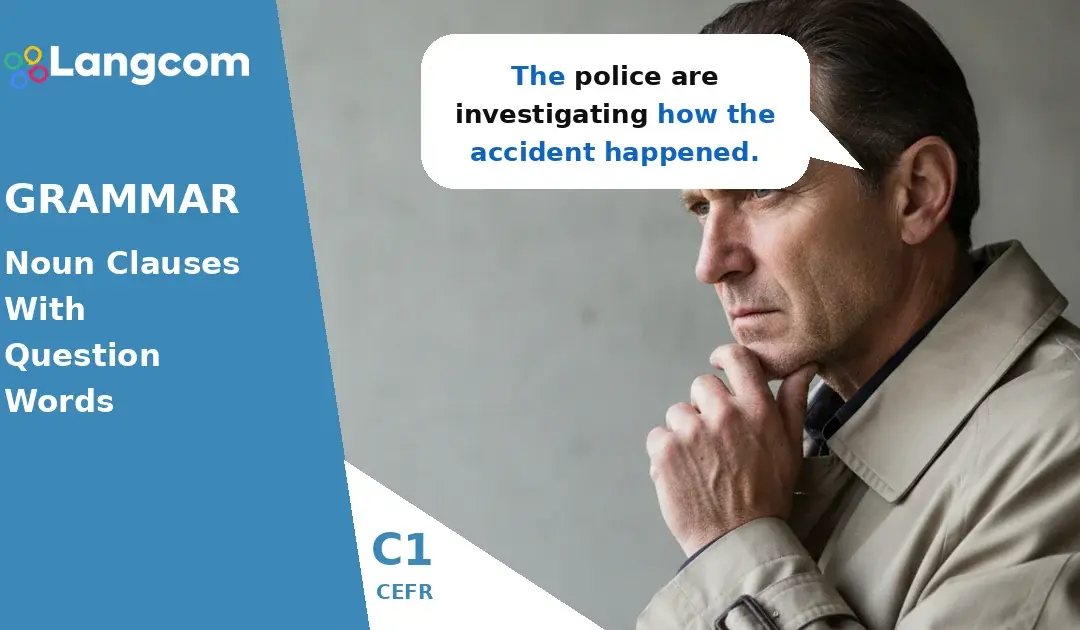
Noun clauses with question words act like nouns in a sentence, functioning as subjects, objects, or complements. They introduce indirect questions or statements, using question words like what, who, where, when, why, how, and whether/if. The most important rule for...
por Raúl | 30 de julho de 2026 | C1 Advanced Inglês
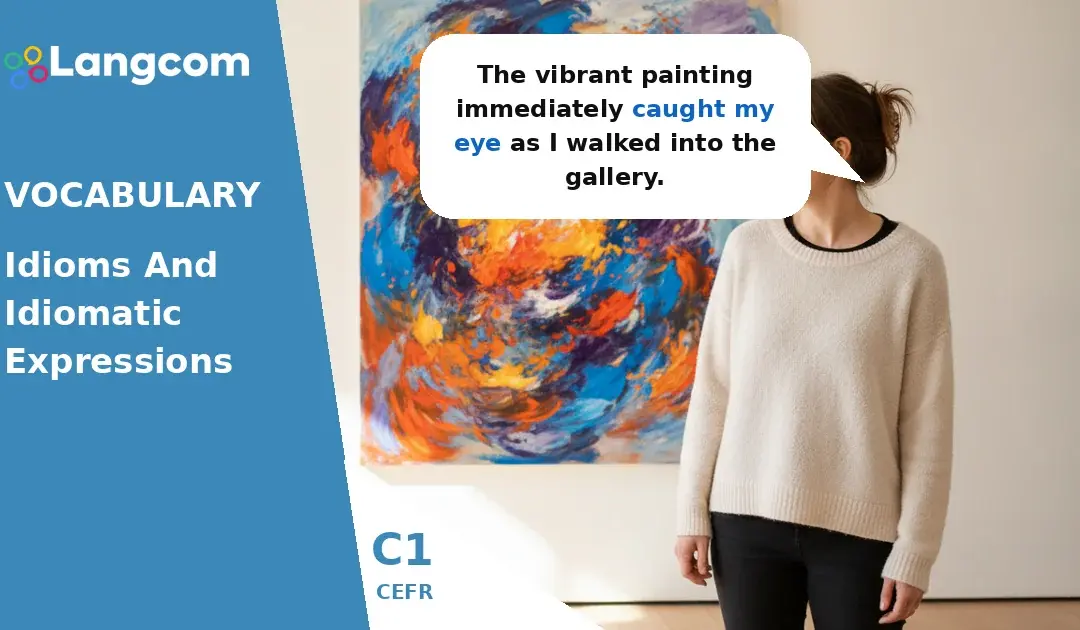
Mastering eye idioms and metaphors is a fantastic way to make your C1 English sound more natural and sophisticated. These expressions add color and depth to your communication, moving beyond literal meanings to convey complex ideas efficiently. For example, when you...

por Raúl | 30 de julho de 2026 | C1 Advanced Inglês
Quantificadores e preposições podem ser usados em orações relativas para acrescentar informações precisas e detalhadas, especialmente no inglês de nível C1. Essas estruturas gramaticais avançadas permitem que você forneça contexto adicional sobre um substantivo ou pronome de maneira concisa e sofisticada, tornando...
por Raúl | 30 de julho de 2026 | Inglês básico A2
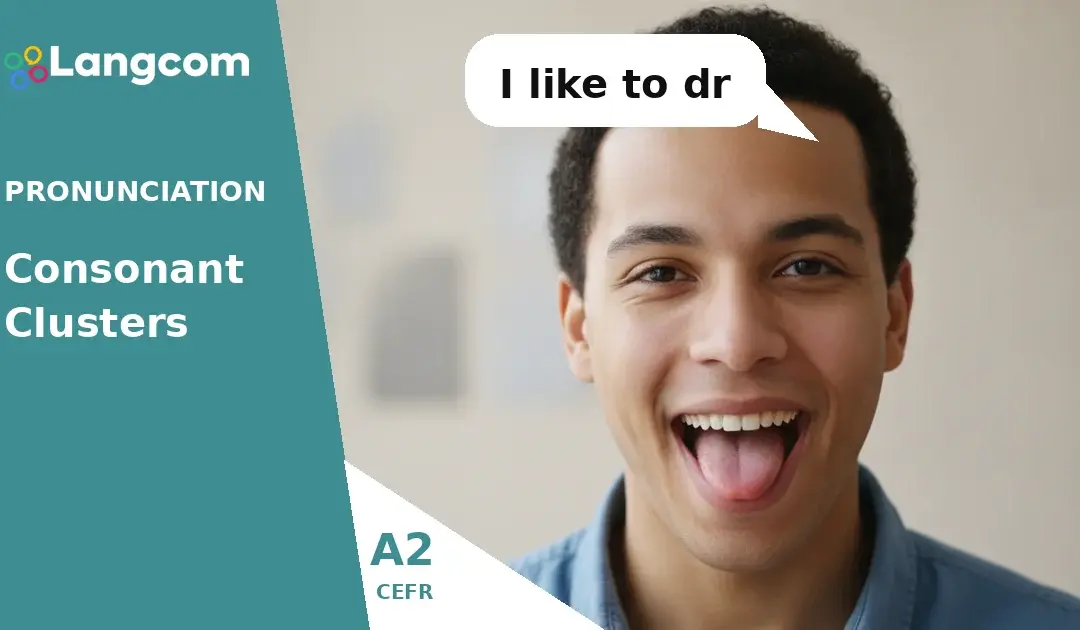
Os encontros consonantais são grupos de dois ou mais sons consonantais que aparecem juntos em uma palavra, sem nenhum som vocálico entre eles. Aprender a pronunciá-los corretamente é muito importante para falar inglês com clareza. Muitas línguas, como o espanhol, não têm tantos...
