por Raúl | 30 de julho de 2026 | Inglês básico A2
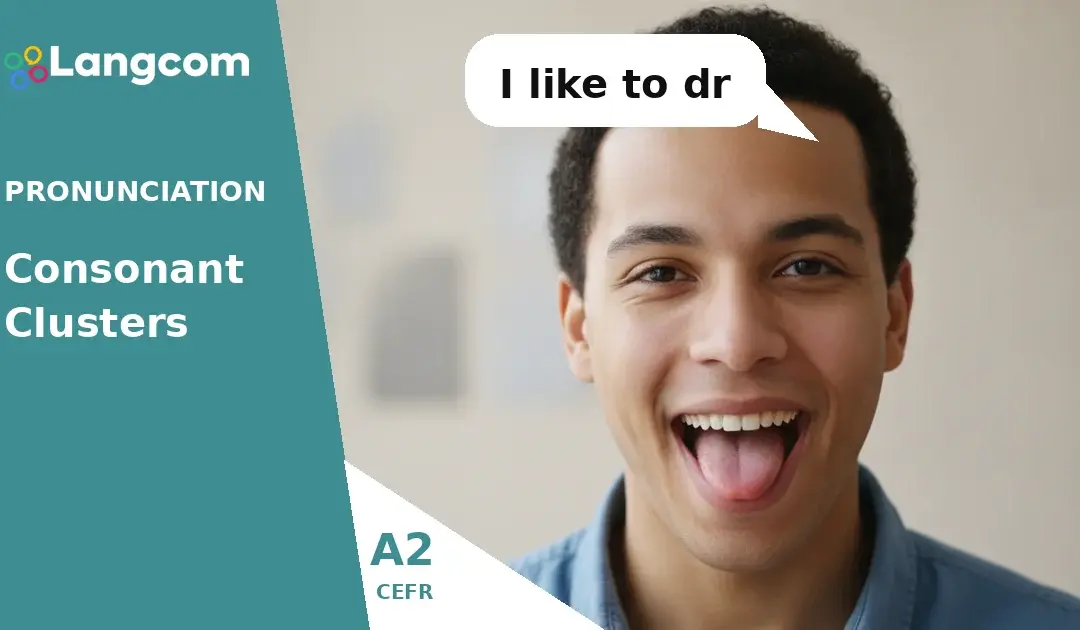
Os encontros consonantais são grupos de dois ou mais sons consonantais que aparecem juntos em uma palavra, sem nenhum som vocálico entre eles. Aprender a pronunciá-los corretamente é muito importante para falar inglês com clareza. Muitas línguas, como o espanhol, não têm tantos...
por Raúl | 30 de julho de 2026 | Inglês básico A2
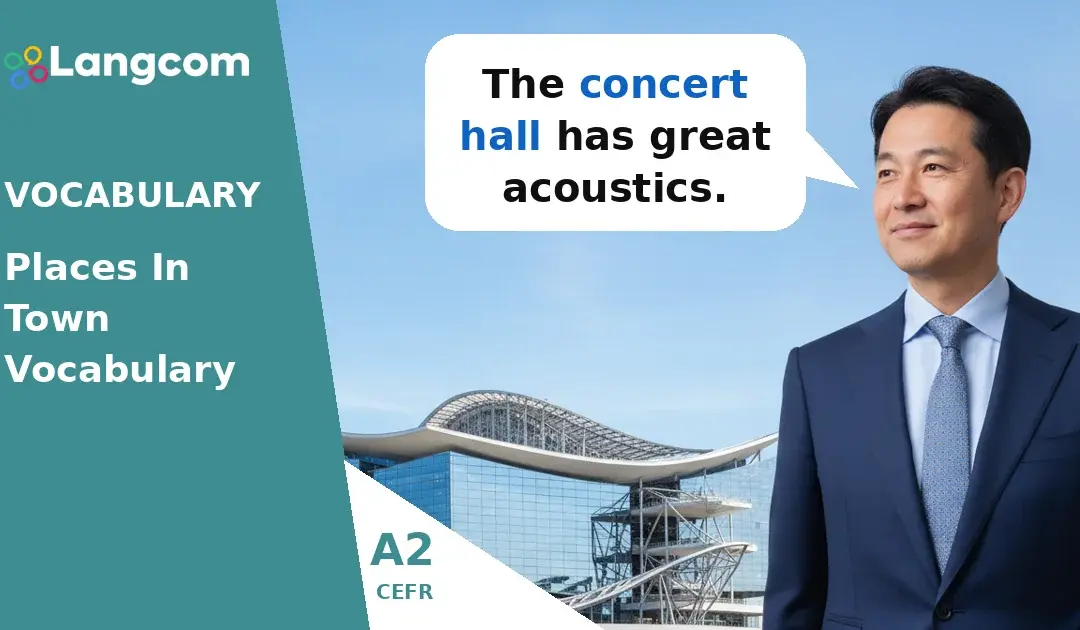
Aprender o vocabulário relacionado a locais da cidade é muito importante para quem está aprendendo inglês no nível A2. Essas palavras ajudam você a falar sobre onde mora, pedir informações e entender conversas sobre o que está ao seu redor. Conhecer termos como agência dos correios, estádio ou teatro permite que você...

por Raúl | 30 de julho de 2026 | Inglês básico A2
Should and shouldn’t are modal verbs we use to give advice or make recommendations. They tell us what is a good idea to do, or what is not a good idea to do. Think of them as suggesting the best action for a situation. For example, if your friend has a test...

por Raúl | 30 de julho de 2026 | Inglês básico A2
Collocations are groups of words that often go together naturally in English. Learning travel collocations helps you sound more natural and fluent when you talk about holidays and trips. Instead of saying words separately, you combine them in common ways, just like...
por Raúl | jul 29, 2026 | Inglês básico A2
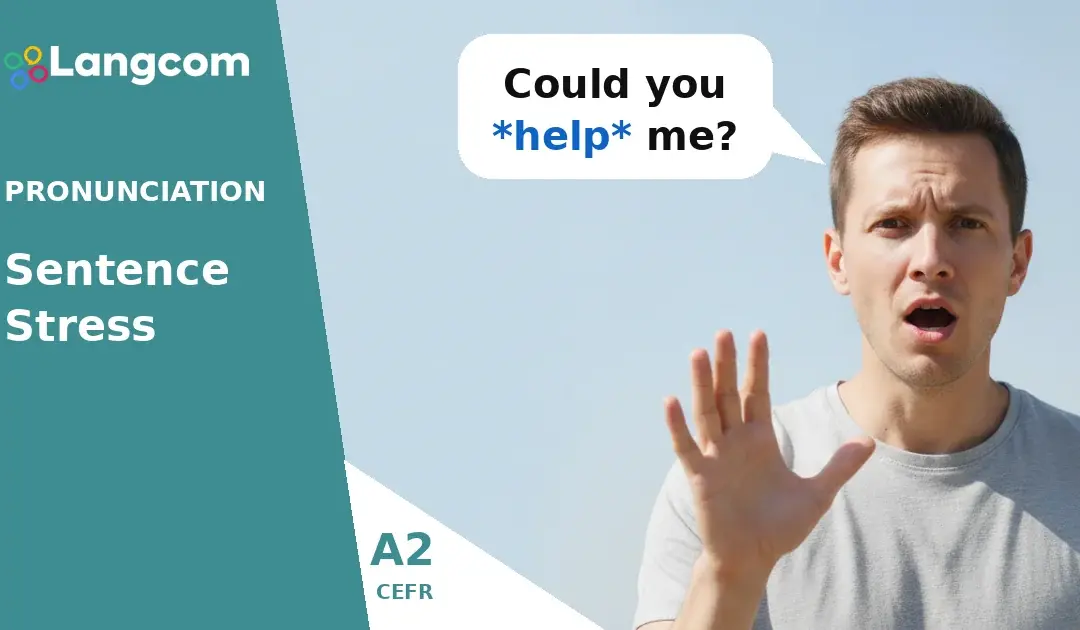
When you ask for help in English, put the main stress on the *main verb* of your request. This makes your request clear and sounds natural to native speakers. English speakers emphasize important words to help listeners understand the key information. For example, in...

por Raúl | jul 29, 2026 | Inglês básico A2
Be going to is an essential English grammar structure that helps us talk about future plans and make predictions based on present evidence. This form is perfect for expressing intentions you have already decided on. For instance, if you have bought tickets for a...
