
por Raúl | set 7, 2026 | A1 Inglês para Iniciantes
Learning basic food vocabulary is essential for everyday English conversations. Imagine you are in a restaurant, a supermarket, or talking with friends about what you like to eat. You need to understand and say the names of different foods. This lesson will help you...
por Raúl | set 7, 2026 | A2 Key (KET)
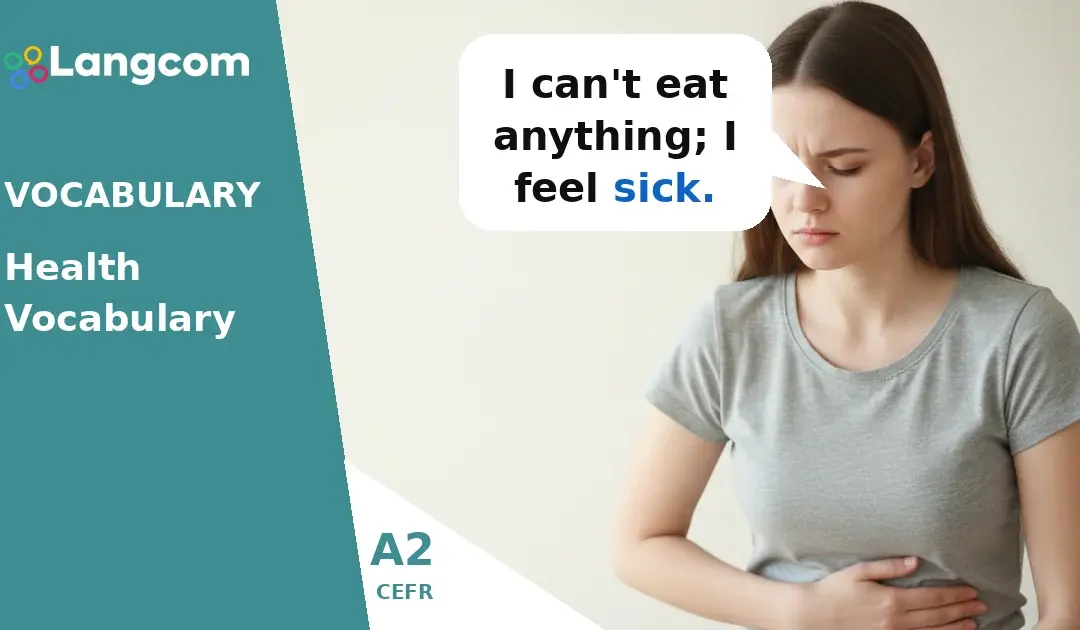
To talk about health problems in English, you can use phrases like “I feel sick” or “I’ve got a cold.” These expressions help you describe general discomfort, specific pains, or common illnesses. We often use “I feel…”...
por Raúl | set 7, 2026 | A2 Key (KET)
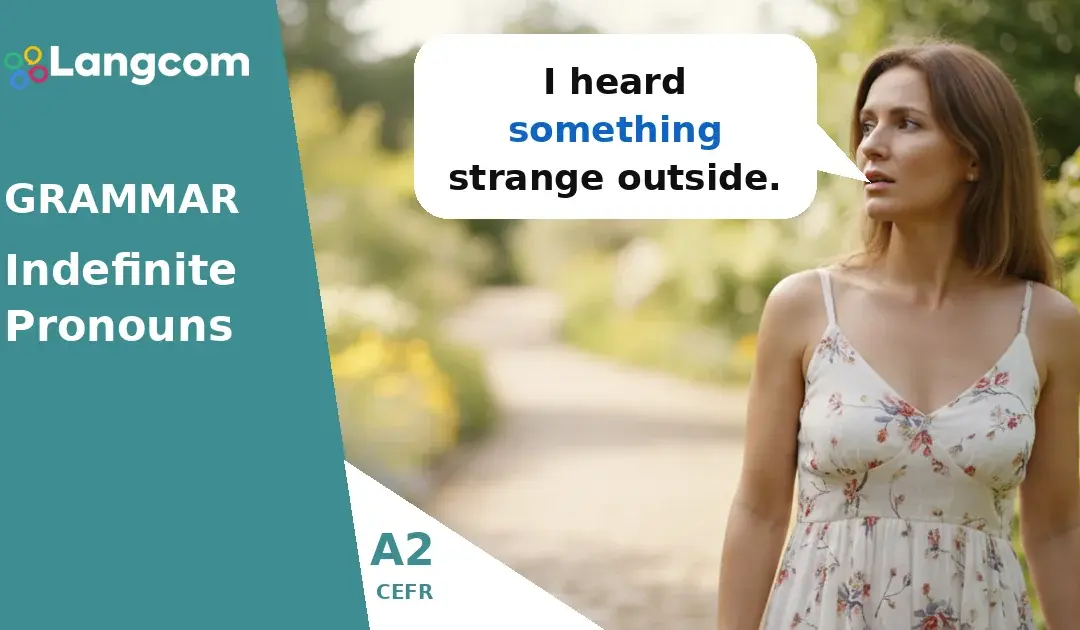
Indefinite pronouns like something, anything, nothing, and everything refer to people, things, or places without saying exactly who or what they are. They are formed by combining a quantifier (some-, any-, no-, every-) with -one or -body (for people), -thing (for...

por Raúl | set 7, 2026 | A2 Key (KET)
The first conditional helps us talk about real possibilities in the future. We use it to describe a possible situation and its likely result. This means the condition is something that can really happen, and the result is something that will probably happen. The...
por Raúl | set 7, 2026 | A2 Key (KET)
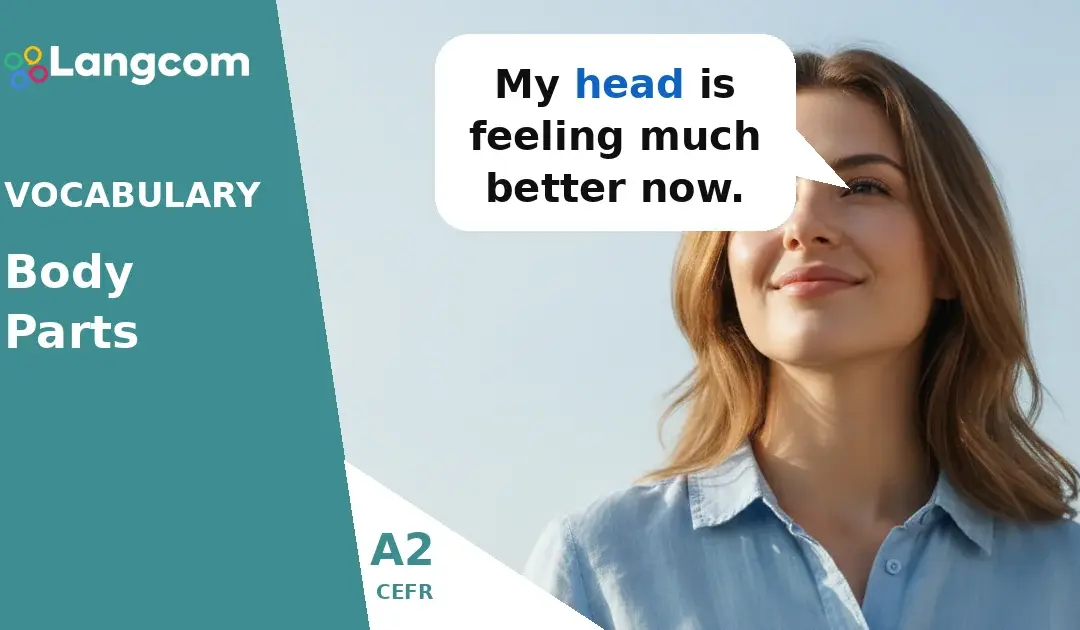
Learning English words for parts of the body is very important for daily communication. You use these words to describe yourself and others, talk about health, or even play simple games. For example, you might say My head hurts if you have a headache, or She has long...
por Raúl | set 7, 2026 | A2 Key (KET)
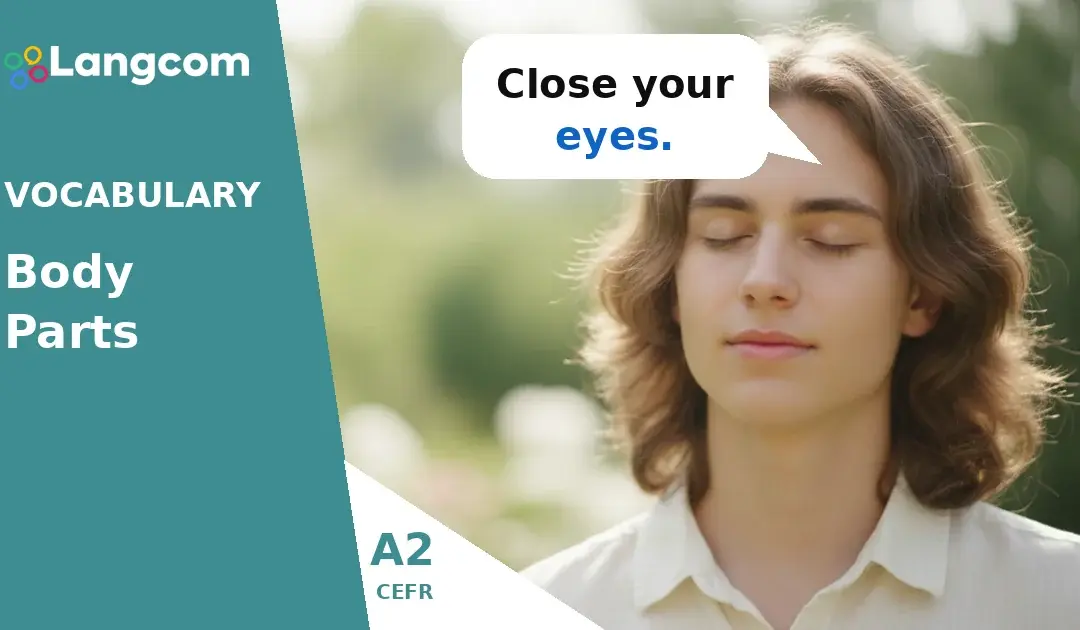
Learning the names of body parts in English is essential for A2 learners. This vocabulary helps you describe people, talk about health, and understand simple instructions in daily life. For example, you can say My head hurts when you feel unwell, or She has long hair...
