por Raúl | set 18, 2026 | C1 Advanced Inglês
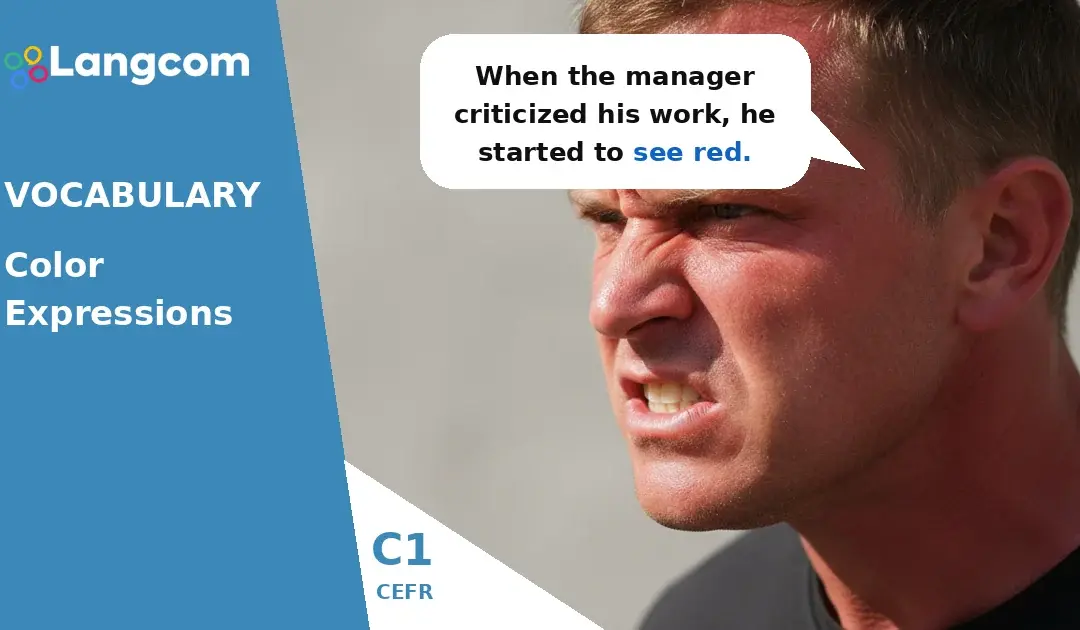
Color expressions are a vibrant part of C1 English, allowing you to convey complex ideas and emotions with greater precision and naturalness. These idiomatic phrases go far beyond the literal meaning of colors, adding significant depth and nuance to your...

por Raúl | set 18, 2026 | C1 Advanced Inglês
Mastering C1 subject-verb agreement involves understanding nuanced rules for tricky nouns and pronouns that often confuse even advanced learners. This includes collective nouns like company or team, which can take singular or plural verbs depending on whether you...

por Raúl | set 18, 2026 | C1 Advanced Inglês
Colors do more than just look pretty; they communicate feelings, ideas, and memories. At a C1 level, you need a rich vocabulary to describe these complex connections. English offers several powerful verbs that help you articulate how colors affect us and what they...

por Raúl | set 18, 2026 | Inglês intermediário B1
In English, your voice’s intonation (the way its pitch goes up or down) helps listeners understand if you are sure or unsure about what you are saying. This is a key part of B1 level pronunciation. When you use falling intonation, your voice goes down at the end...

por Raúl | set 18, 2026 | Inglês intermediário B1
Understanding when to use do, make, and take is key to sounding natural in English. These verbs are often confusing because their meanings can be similar, especially when translated from other languages like Spanish. However, in English, they combine with different...
por Raúl | set 18, 2026 | Inglês intermediário B1
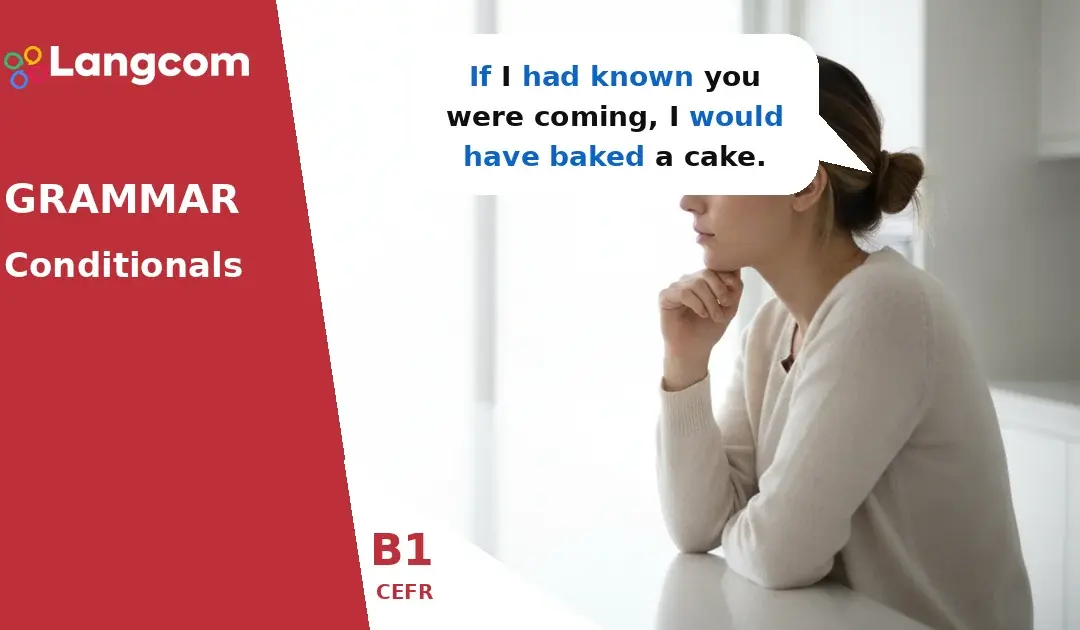
The Third Conditional helps us imagine different past situations and their consequences. We use it to talk about things that did not happen in the past and the results that did not occur. It’s like looking back and saying, ‘If X had been different, then Y...
