投稿者 ラウル | 9月 15, 2026 | A2 Key (KET)
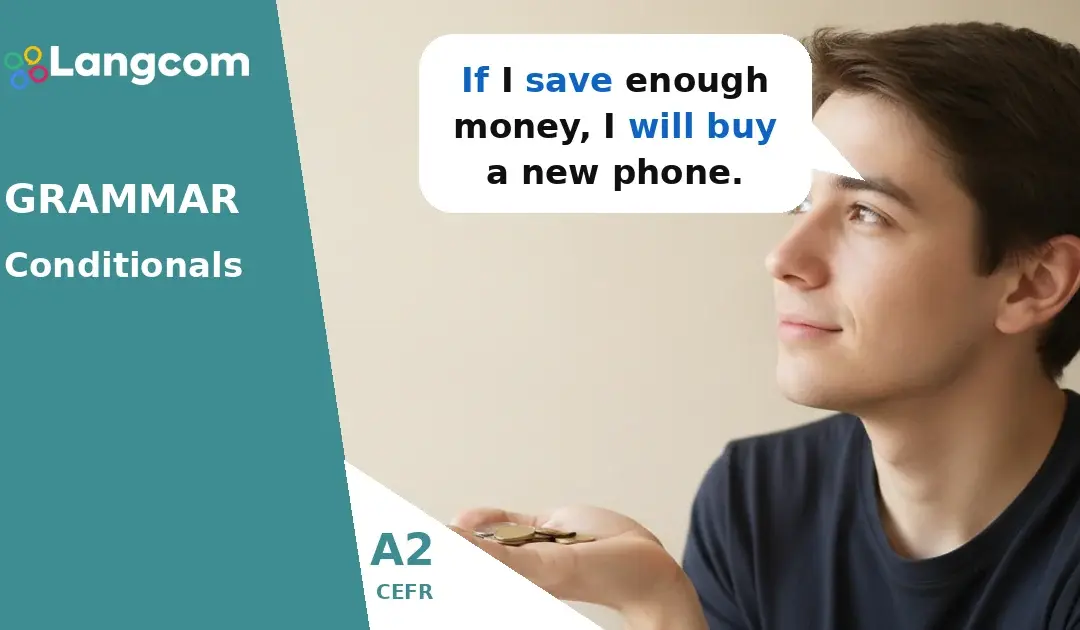
The First Conditional helps us talk about real possibilities in the future. We use it to describe a possible situation and its likely result. Imagine you have a plan, but it depends on something else happening first. This is exactly when you use the First Conditional!...
投稿者 ラウル | 9月 14, 2026 | A2 Key (KET)
Understanding English tenses is essential for clear communication at the A2 level. Tenses help us talk about when actions happen: in the present, past, or future. For A2, you need to know the basic uses of six key tenses: Present Simple, Present Continuous, Past...
投稿者 ラウル | 9月 14, 2026 | A2 Key (KET)
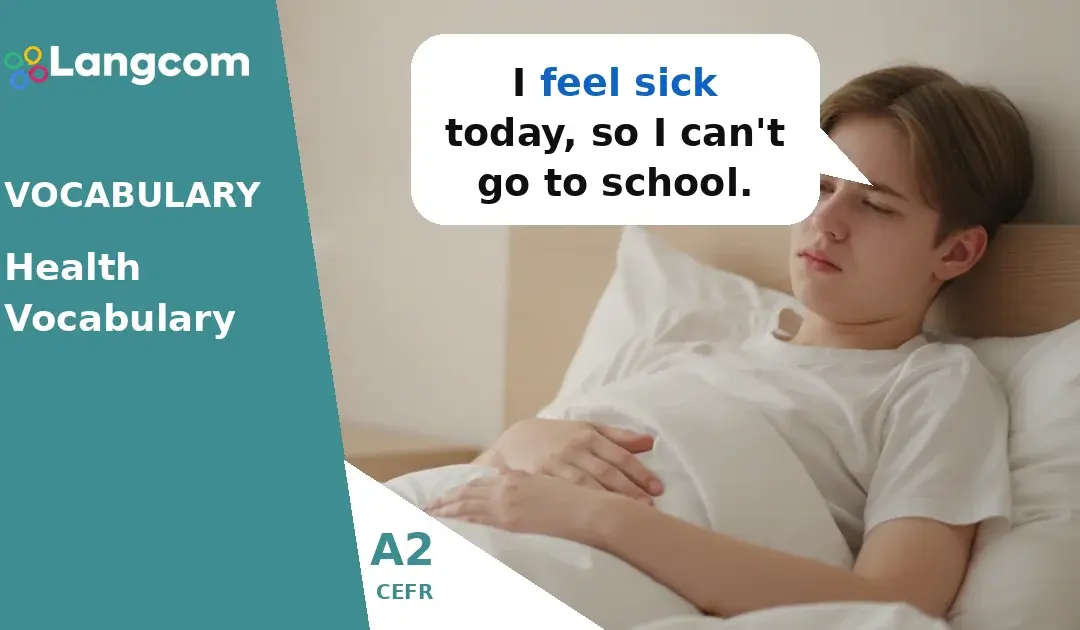
Learning common English words for health problems helps you talk about how you feel and understand others when you are not well. It is important to know how to describe your symptoms and ask for help. For example, if you feel unwell, you can say I am sick or I am ill....
投稿者 ラウル | 9月 14, 2026 | A2 Key (KET)
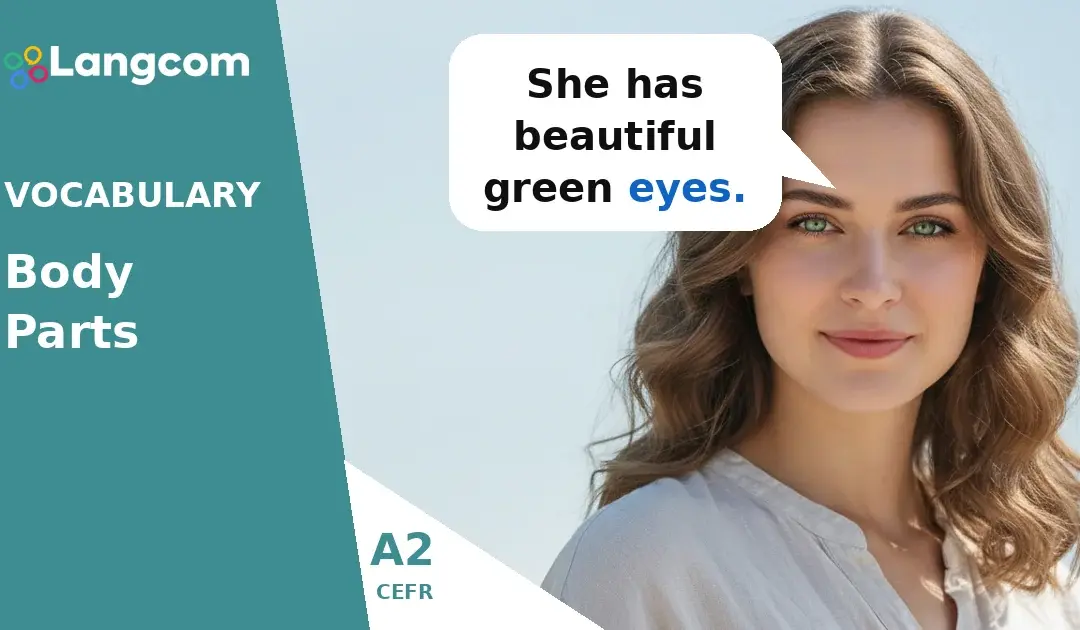
Learning body parts vocabulary is essential for A2 English learners because it helps you describe people, talk about health, and understand everyday conversations. Words like head, hand, and foot are fundamental for basic communication. This vocabulary is not only...

投稿者 ラウル | 9月 14, 2026 | A2 Key (KET)
The infinitive is the basic form of a verb, and in English, it can appear with or without the word to. You use to + infinitive after many common verbs like want, decide, and hope, and also to explain the purpose of an action. For example, I want to learn English. On...
投稿者 ラウル | 9月 14, 2026 | A2 Key (KET)
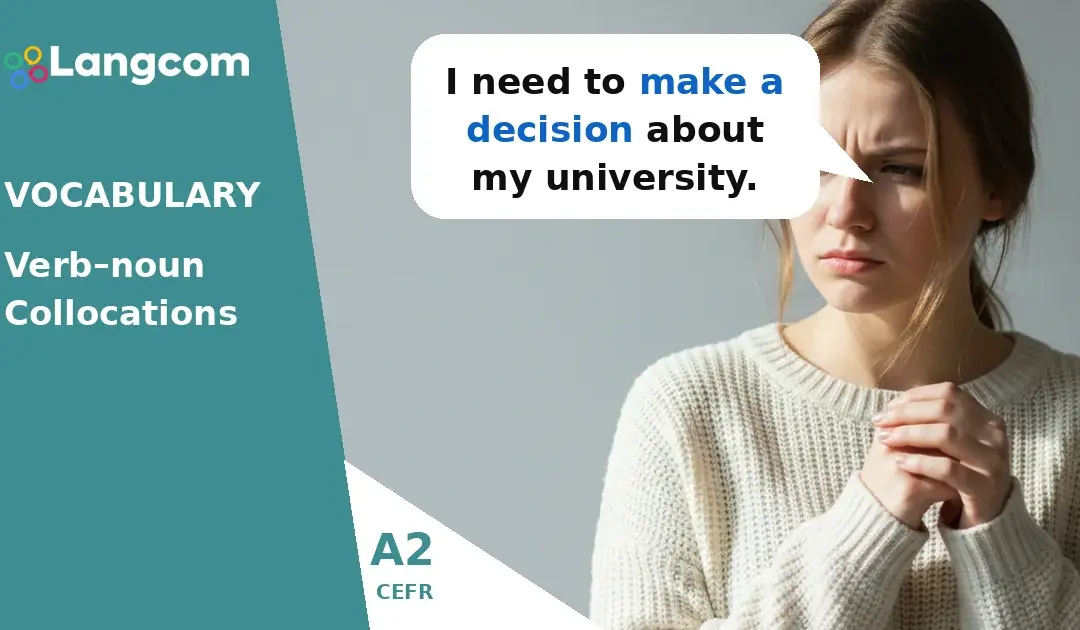
Verb-noun collocations are pairs of words, a verb and a noun, that naturally go together in English. Learning these common combinations, like make a mistake or do homework, is key to sounding more natural and fluent. Unlike simply knowing individual words,...
