di Raúl | 7 settembre 2026 | A2 Key (KET)
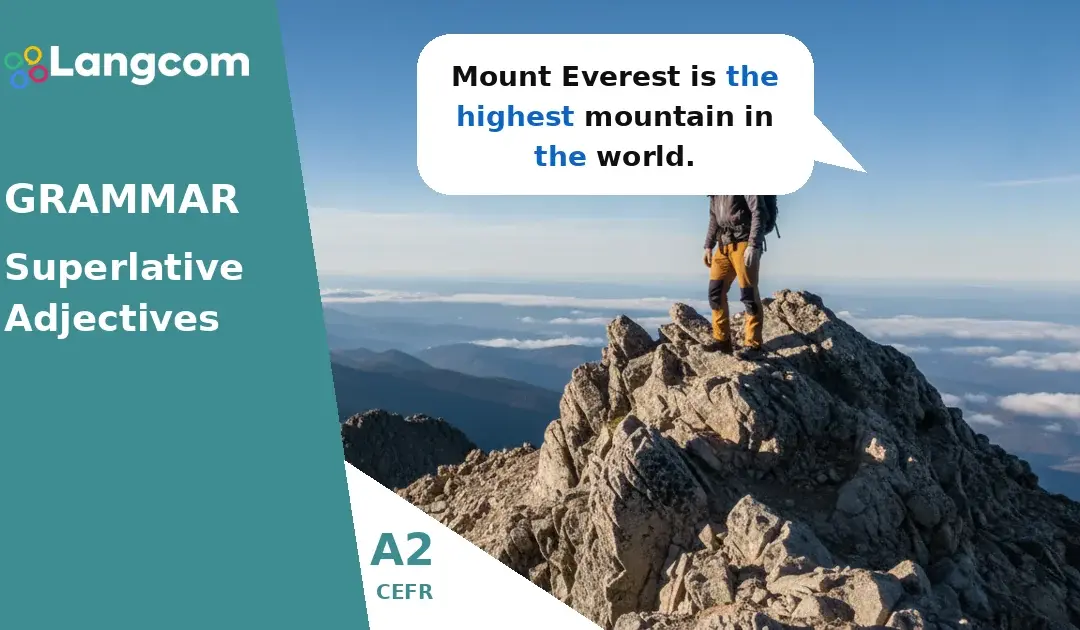
Superlative adjectives help us describe one thing as the extreme in a group of three or more. We use them to say something is ‘the most’ or ‘the least’ of its kind. For short adjectives, we usually add -est to the end, like tallest or oldest....
di Raúl | 7 settembre 2026 | A2 Key (KET)
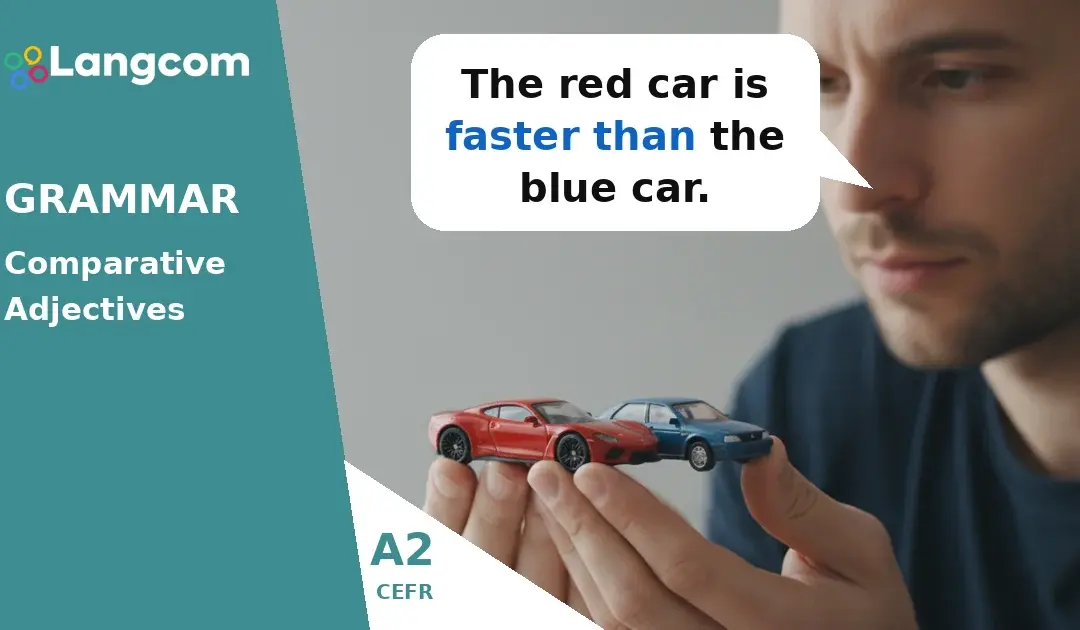
Comparative adjectives help us compare two nouns (people, places, or things) and show how they are different. We use them to say one thing has more of a quality than another. For short adjectives (one syllable), we usually add -er, like tall becomes taller. If the...

di Raúl | 7 settembre 2026 | B1 Inglese intermedio
La forma ‘to + infinito’ è un elemento fondamentale della grammatica inglese, utilizzata per esprimere lo scopo, seguire determinati verbi e aggettivi e combinarsi con le parole interrogative. Questa struttura versatile ti aiuta a spiegare perché fai qualcosa, cosa vuoi fare o come fare...
di Raúl | 7 settembre 2026 | B1 Inglese intermedio
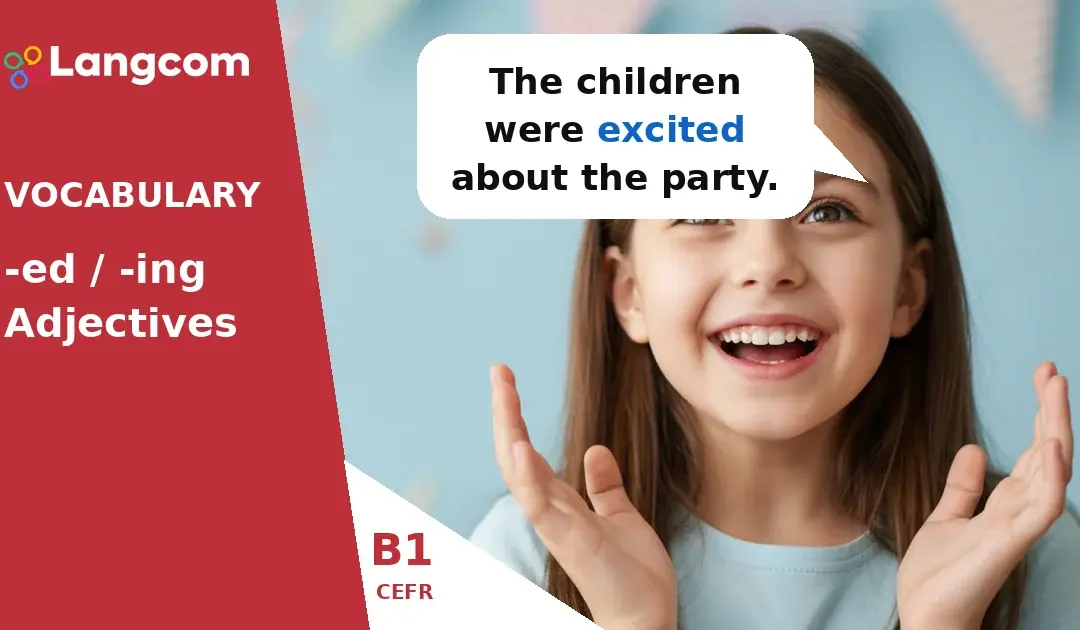
-ed adjectives describe how someone feels, while -ing adjectives describe the person, thing, or situation that causes that feeling. This is a key distinction for B1 English learners. For example, if a movie makes you feel a certain way, you would use an -ed adjective...
di Raúl | 7 settembre 2026 | B1 Inglese intermedio
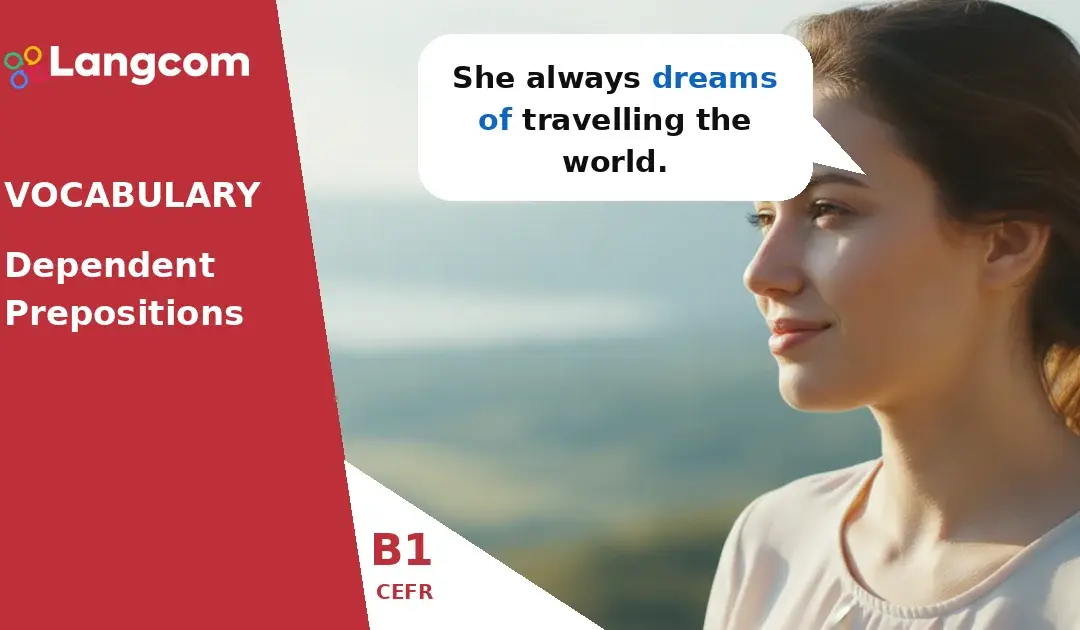
Dependent prepositions are small words that always follow specific verbs in English, forming a fixed pair. These pairs are essential for speaking and writing naturally at a B1 level. Unlike prepositions of place or time, dependent prepositions don’t have a clear...
di Raúl | 7 settembre 2026 | B1 Inglese intermedio
To give advice in English, you can use either imperatives or the modal verb should. These two grammatical tools help you guide others, but they carry different levels of strength and directness. Imperatives are direct commands, like “Eat your vegetables!” They are...
