di Raúl | Set 10, 2026 | B2 Inglese intermedio superiore
In English, word groups are small units of words that we speak together without pausing. These groups are often called ‘thought units’ because they represent a single idea or piece of information. Learning to group words correctly and use natural pauses is...
di Raúl | Set 9, 2026 | B2 Inglese intermedio superiore
The Third Conditional and should have + past participle are key B2 English structures for discussing the past, but they serve different purposes. The Third Conditional helps you talk about hypothetical situations in the past that did not happen, and their imaginary...
di Raúl | Set 9, 2026 | B2 Inglese intermedio superiore
The key difference in crime vocabulary is understanding the context: Theft is general stealing, robbery involves force against a person, and burglary is entering a building illegally to steal. These three words are often confused, but they describe very different...

di Raúl | Set 9, 2026 | B2 Inglese intermedio superiore
The First Conditional describes real or very likely future situations and their results, while the Second Conditional talks about imagined, unlikely, or hypothetical situations in the present or future. Both are essential for expressing possibilities and consequences...
di Raúl | Set 9, 2026 | B2 Inglese intermedio superiore
Understanding key money vocabulary is essential for discussing finance confidently in English. At B2 level, you need to go beyond basic terms and grasp words related to personal finance, business, and economics. This includes understanding concepts like debt, which is...
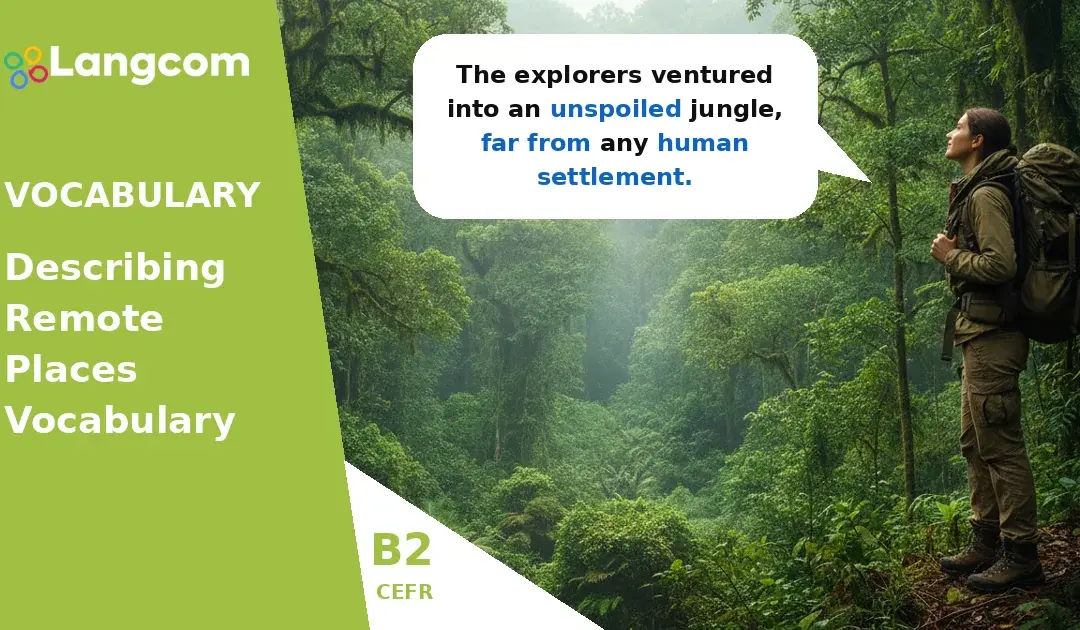
di Raúl | Set 6, 2026 | B2 Inglese intermedio superiore
To describe remote places effectively in English, use specific adjectives that convey their unique characteristics, such as their size, natural state, or how welcoming they are. These words help you paint a vivid picture for your listener or reader, whether you are...
