di Raúl | Set 15, 2026 | C1 Advanced Inglese
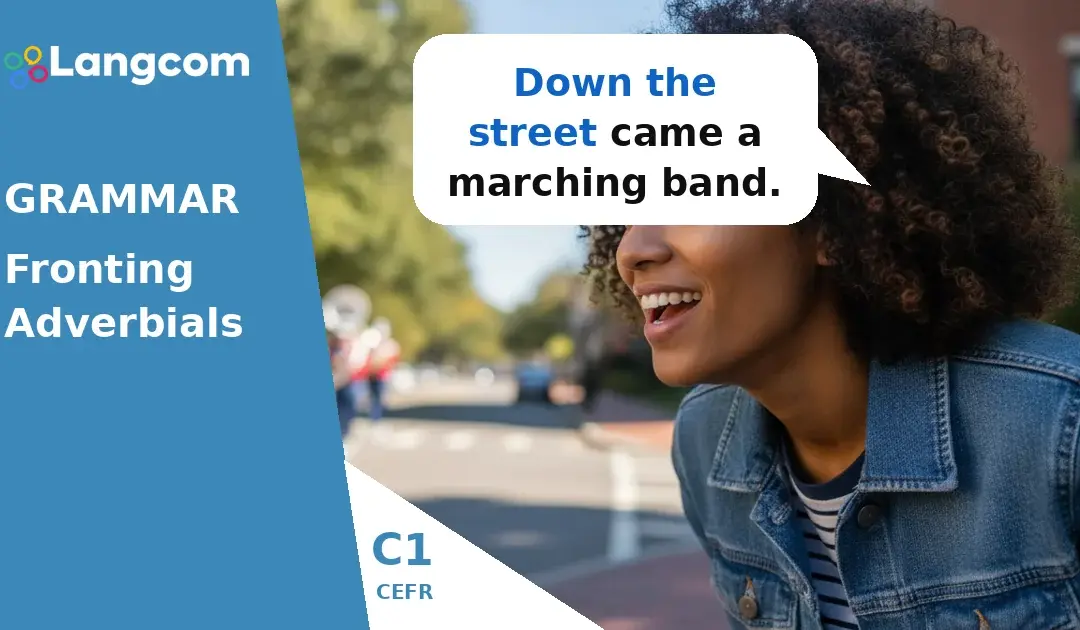
Fronting adverbials move an adverbial phrase (telling us where, when, or how something happens) to the beginning of a sentence. This advanced grammatical structure is used to add emphasis, create dramatic effect, or achieve a more formal and literary style in English....
di Raúl | Set 15, 2026 | C1 Advanced Inglese
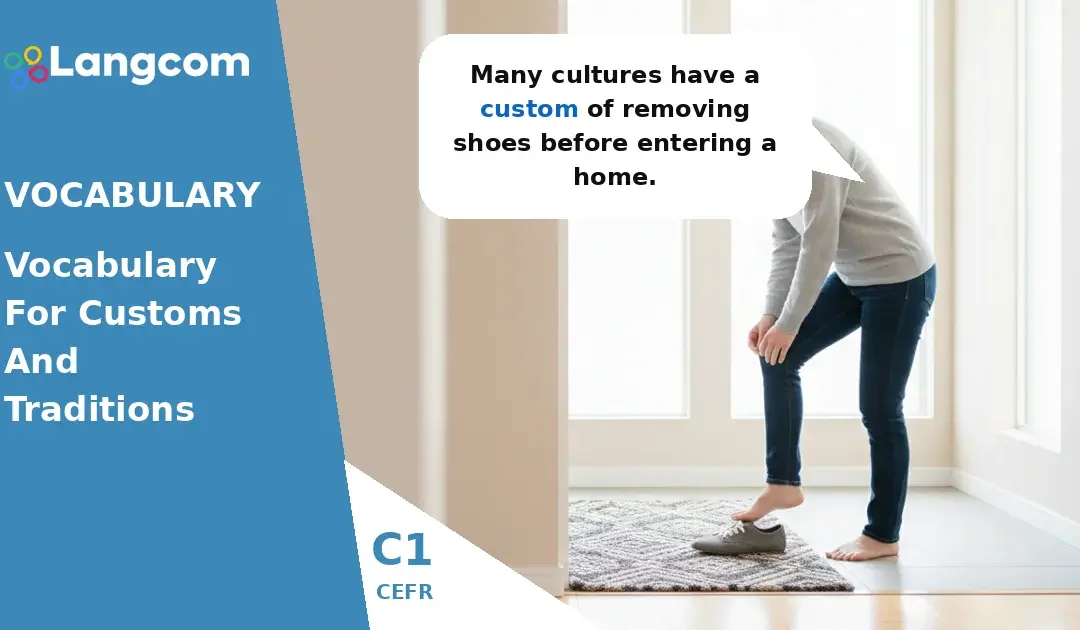
To discuss customs, traditions, and cultural practices at a C1 level, you need a rich vocabulary that goes beyond basic terms. This includes specific nouns like ritual, rite, practice, and festivities, which describe different aspects of cultural events. You also need...

di Raúl | Set 15, 2026 | C1 Advanced Inglese
Negative and limiting adverbials are powerful tools in C1 English that add strong emphasis to your sentences. When you begin a sentence with one of these adverbials, the typical subject-verb order changes. This grammatical shift is known as inversion. Instead of the...
di Raúl | Set 15, 2026 | C1 Advanced Inglese
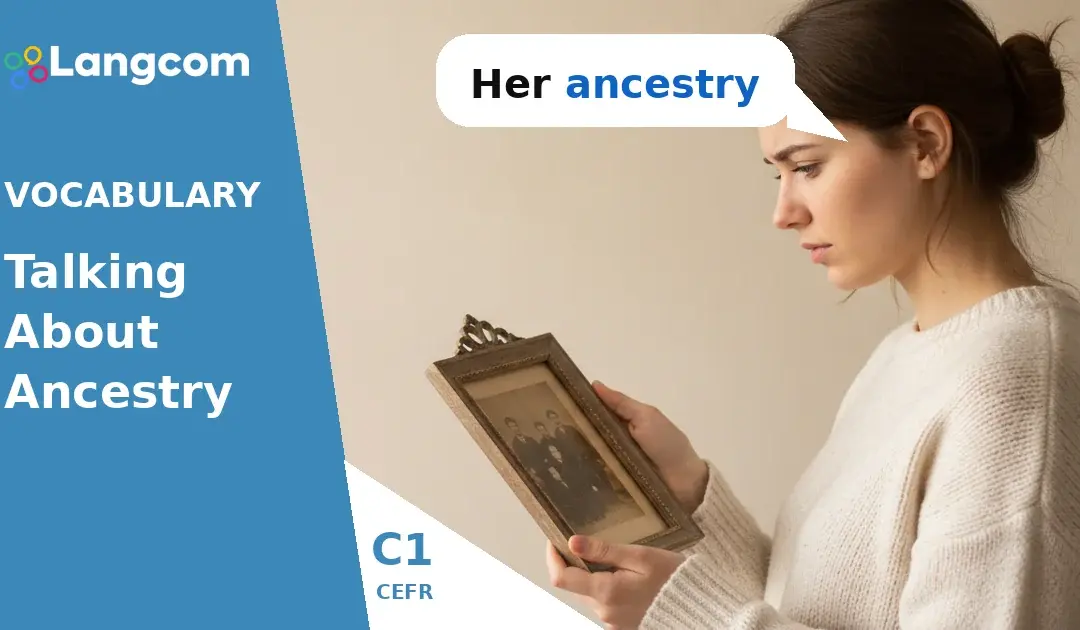
Understanding vocabulary related to ancestry, heritage, and genetics is crucial for C1 English learners to discuss personal identity, history, and social issues with precision. This specialized lexicon allows you to articulate complex ideas about where people come...

di Raúl | Set 13, 2026 | C1 Advanced Inglese
Cleft sentences are powerful tools for emphasis in English, and their impact relies heavily on correct pronunciation, specifically intonation and thought groups. At a C1 level, mastering how to say these sentences naturally makes your speech clearer and more...

di Raúl | Set 13, 2026 | C1 Advanced Inglese
English has borrowed thousands of words from other languages, and learning to pronounce them correctly is a key part of C1 fluency. While some foreign words keep their original pronunciation, many are adapted to English sound patterns. Mastering these pronunciations...
