di Raúl | 4 agosto 2026 | B2 First (FCE)
I verbi composti, noti anche come verbi frasali, sono fondamentali per descrivere un viaggio in inglese, soprattutto al livello B2. Questi verbi combinano un verbo principale con una preposizione o un avverbio, creando un significato nuovo che spesso differisce da quello delle singole parole. Per...
di Raúl | 4 agosto 2026 | B2 First (FCE)
Un vocabolario preciso è fondamentale per descrivere accuratamente le esperienze di viaggio in inglese. Al livello B2, è importante andare oltre i termini generici e utilizzare espressioni specifiche per i diversi aspetti delle proprie vacanze. Ad esempio, “ostello”, “bed and breakfast” e “campeggio” sono...
di Raúl | 4 agosto 2026 | B2 First (FCE)
Per esprimere opinioni decise su esperienze, film o libri in inglese, usa aggettivi incisivi come “amazing”, “awesome” e “interesting” per i sentimenti positivi, e “boring”, “horrible” e “terrible” per quelli negativi. Questi termini di livello B2 ti aiutano ad andare oltre il semplice...

di Raúl | 4 agosto 2026 | B2 First (FCE)
Il presente semplice descrive situazioni permanenti, fatti e abitudini regolari, mentre il presente progressivo si concentra su azioni temporanee che si stanno verificando ora, in questo momento o nel prossimo futuro. Comprendere questi due tempi verbali è fondamentale per gli studenti di inglese di livello B2. Il presente...
di Raúl | Ago 3, 2026 | A2 Key (KET)
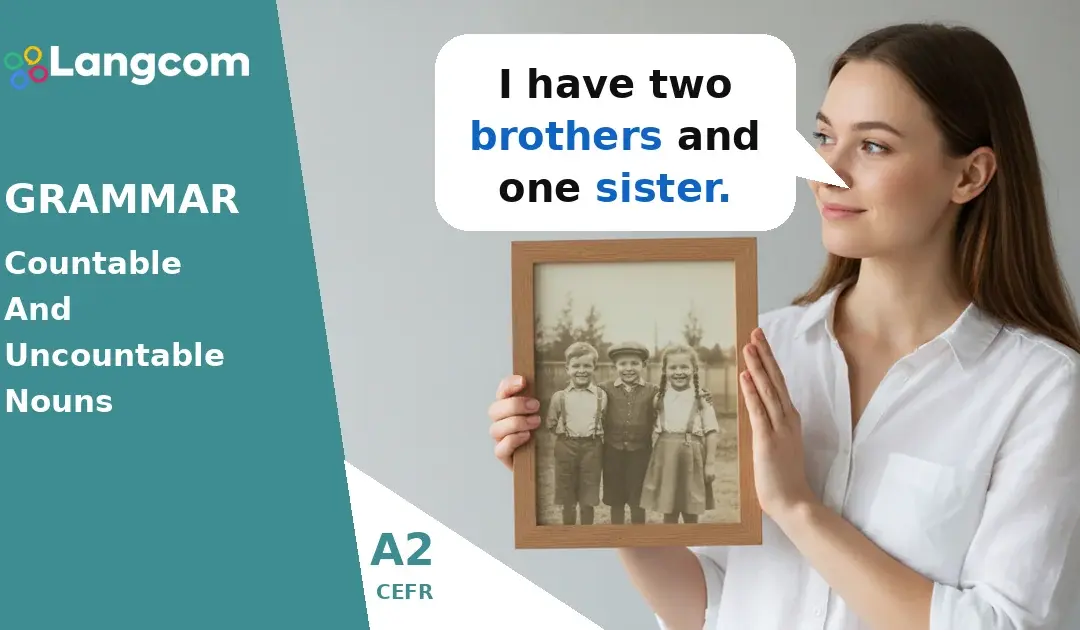
In English, nouns are either countable or uncountable, and this affects how we use them, especially when talking about quantity. Countable nouns refer to things we can count individually, like one apple, two apples. They have both singular and plural forms....

di Raúl | Ago 3, 2026 | A2 Key (KET)
We use some in affirmative sentences and for offers or requests. We use any in negative sentences and most questions. Both some and any are used with plural countable nouns and uncountable nouns to talk about an unspecified quantity. They mean ‘a certain amount...
