
di Raúl | 4 agosto 2026 | A2 Key (KET)
Il presente semplice descrive azioni che si verificano regolarmente, fatti o verità generali. È un tempo verbale fondamentale per gli studenti di inglese di livello A2 che vogliono parlare della vita quotidiana. Lo usiamo per descrivere le routine, ad esempio “Mi sveglio alle 7 del mattino ogni giorno”, e per le abitudini, come ad esempio “Lei beve il caffè nel...”.
di Raúl | 4 agosto 2026 | A2 Key (KET)
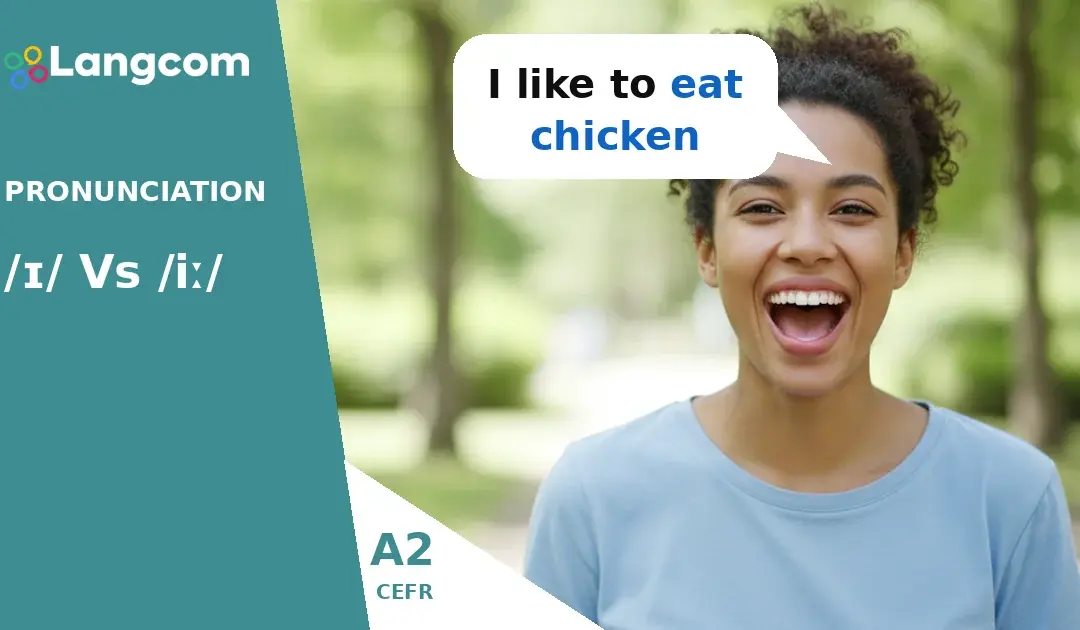
I suoni inglesi /ɪ/ (la ‘i’ breve) e /iː/ (la ‘ee’ lunga) sono diversi e importanti per una comunicazione chiara. Il suono /ɪ/ è breve e rilassato, come la ‘i’ in “chicken” o “sit”. La bocca è leggermente aperta e la lingua è rilassata...
di Raúl | 4 agosto 2026 | A2 Key (KET)
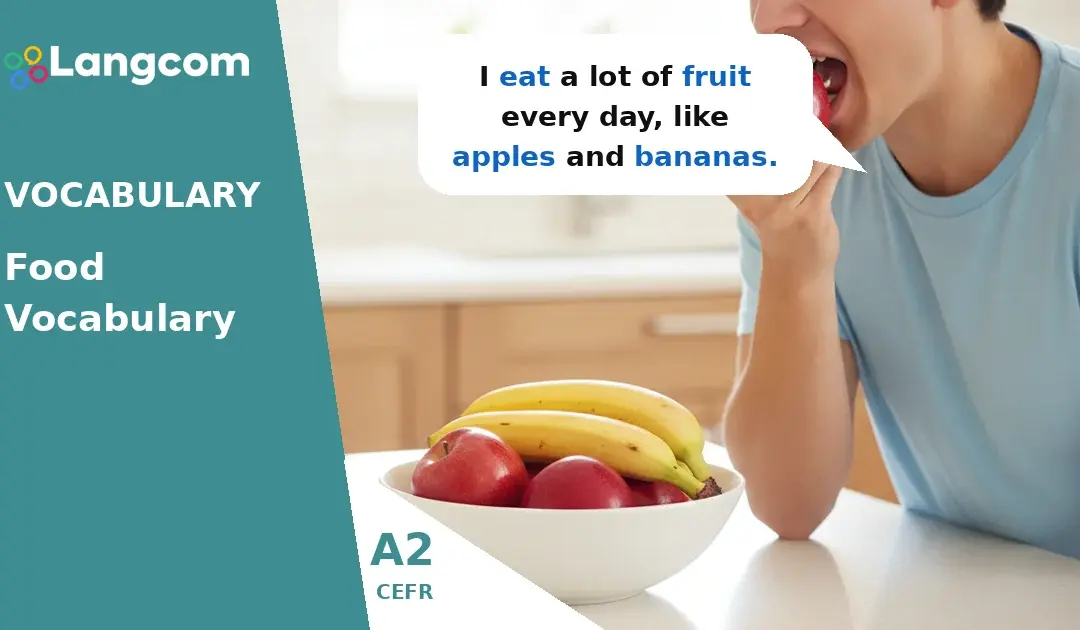
Comprendere i gruppi alimentari ti aiuta a parlare di ciò che mangi, a fare la spesa e a capire cosa sia un’alimentazione sana in inglese. Questi gruppi classificano diversi tipi di alimenti, come frutta, verdura, latticini e carne. Imparare questi termini è importante per la vita quotidiana...

di Raúl | Ago 3, 2026 | A2 Key (KET)
In English, nouns are either countable or uncountable, and this affects how we use them, especially when talking about quantity. Countable nouns refer to things we can count individually, like one apple, two apples. They have both singular and plural forms....

di Raúl | Ago 3, 2026 | A2 Key (KET)
We use some in affirmative sentences and for offers or requests. We use any in negative sentences and most questions. Both some and any are used with plural countable nouns and uncountable nouns to talk about an unspecified quantity. They mean ‘a certain amount...

di Raúl | Ago 3, 2026 | A2 Key (KET)
Learning common English words for products helps you communicate easily when you go shopping. Knowing what different items are called, from fruit to sofas, makes your shopping experience much smoother. This vocabulary is useful in many places, like supermarkets,...
