di Raúl | Set 6, 2026 | A2 Key (KET)
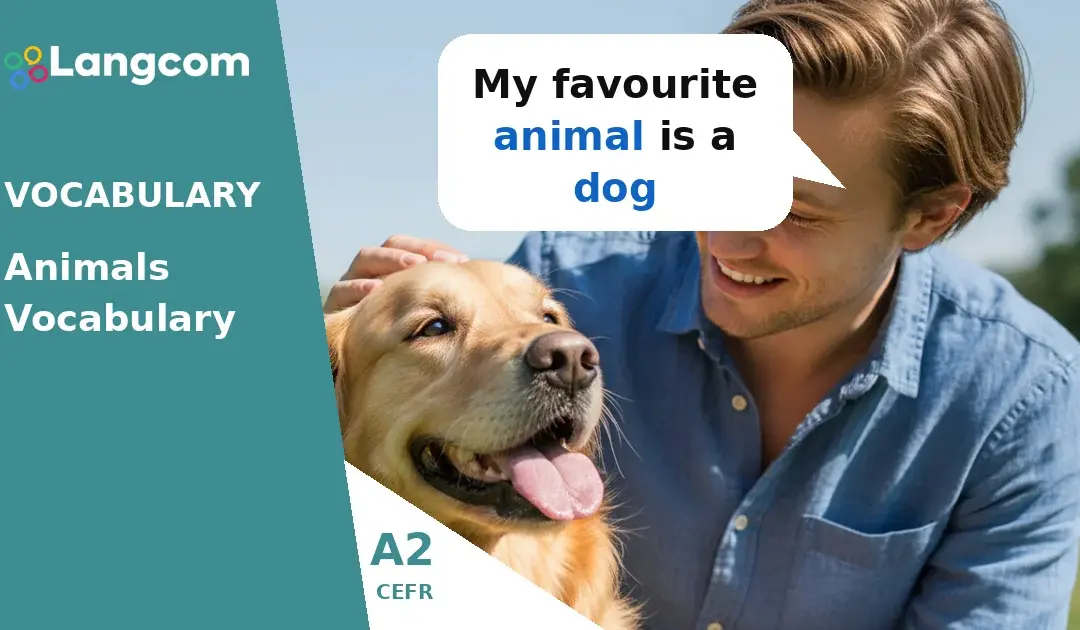
Learning animal names in English is important for A2 students. Knowing common animal vocabulary helps you talk about pets, nature, and even understand simple stories. For the A2 Key (KET) exam, you might see questions about animals in reading or listening sections....

di Raúl | Set 6, 2026 | B2 First (FCE)
Mastering English time expressions is key to sounding natural and fluent at a B2 level. These phrases, often idiomatic, add richness and precision to your language, helping you describe when, how, and for how long things happen. Unlike direct translations, expressions...
di Raúl | Set 6, 2026 | B2 First (FCE)
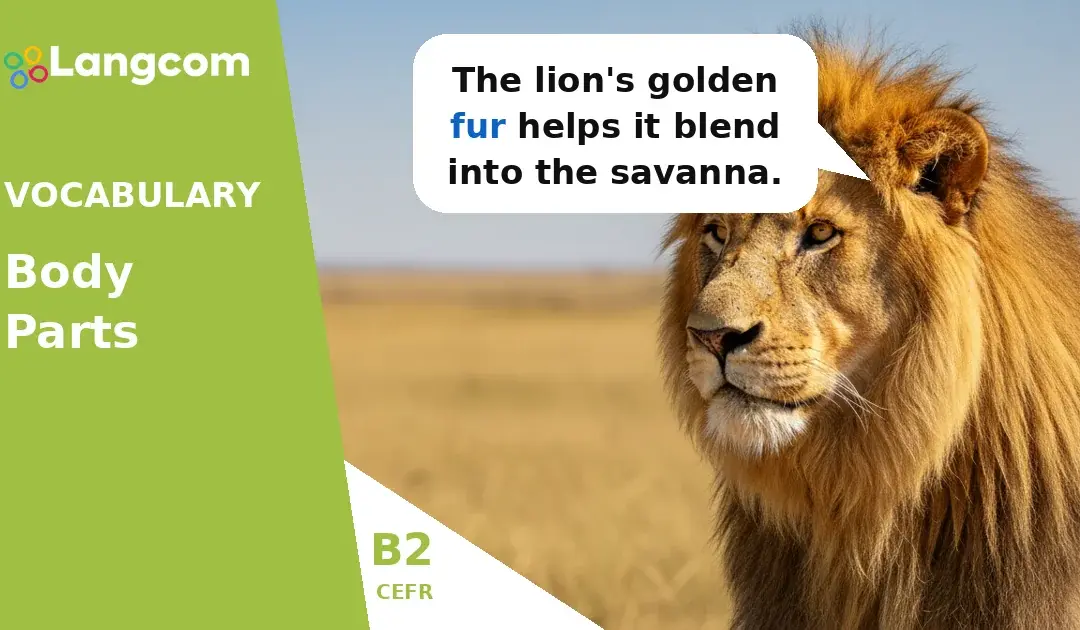
Learning specific vocabulary for animal body parts is crucial for B2 English learners, especially for the B2 First (FCE) exam. This vocabulary helps you describe animals accurately, understand texts about nature, and express yourself clearly in discussions. Knowing...

di Raúl | Set 6, 2026 | B2 First (FCE)
Compound adjectives combine two or more words to act as a single adjective, often connected by a hyphen, making your descriptions more precise and efficient. They allow you to pack more information into fewer words, creating richer and more natural-sounding English....

di Raúl | Set 6, 2026 | B2 First (FCE)
The key difference between as and like is their primary function: as describes the role, job, or purpose of something, while like indicates similarity or comparison. Think of as meaning ‘in the role of’ or ‘in the capacity of’, and like meaning...
di Raúl | 5 agosto 2026 | B2 First (FCE)
Word formation is the process of creating new words from existing ones, often by adding prefixes or suffixes, or by changing a word’s function (part of speech) without changing its form. Mastering word formation is crucial for your B2 First (FCE) exam,...
