di Raúl | Set 20, 2026 | B1 Preliminary (PET)
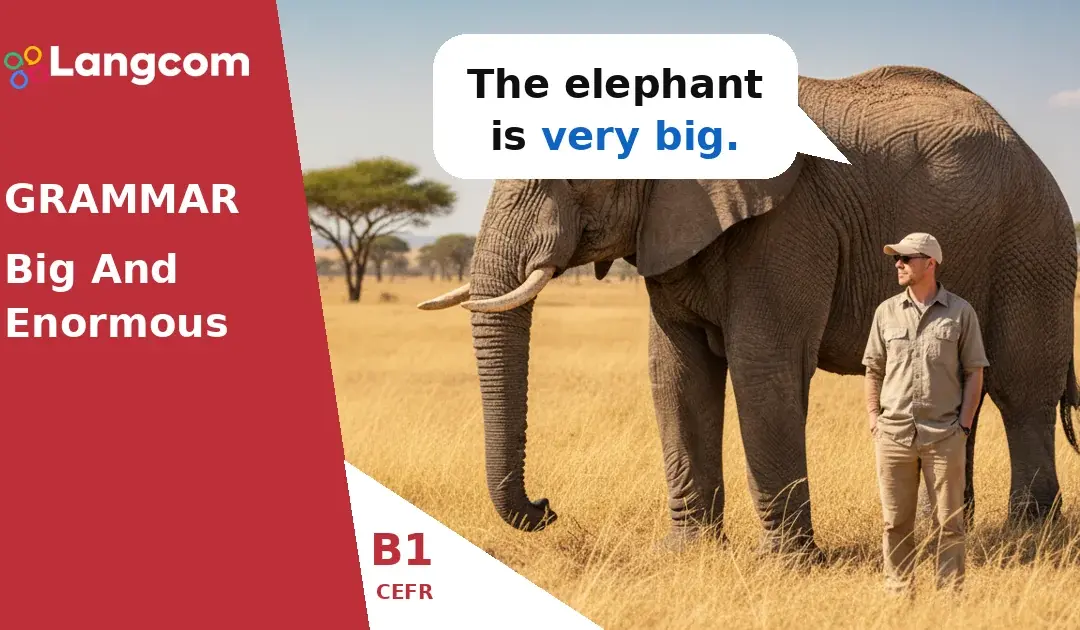
Gradable adjectives describe qualities that can have different levels or intensities, while non-gradable (or extreme) adjectives describe qualities that are absolute and cannot be made stronger or weaker. For example, big is a gradable adjective because something can...

di Raúl | Set 20, 2026 | B1 Preliminary (PET)
To make your B1 English comparisons more precise, use words like a bit, a little, or slightly for small differences. For big differences, use much, far, or a lot. To show things are equal, use as + adjective/adverb + as, and for inequality, use not as +...

di Raúl | Set 20, 2026 | B1 Preliminary (PET)
Comparative and superlative adjectives help us compare things in English. We use comparative adjectives to show differences between two items or people. For example, My car is faster than your car. We often add -er to short adjectives or use more for longer ones,...

di Raúl | Set 19, 2026 | B1 Preliminary (PET)
To master the words travel, journey, and trip, remember their core meanings and how they function in sentences. Travel is most often a verb, meaning to go from one place to another, as in I love to travel. It can also be a general, uncountable noun for the activity of...
di Raúl | Set 19, 2026 | B1 Preliminary (PET)
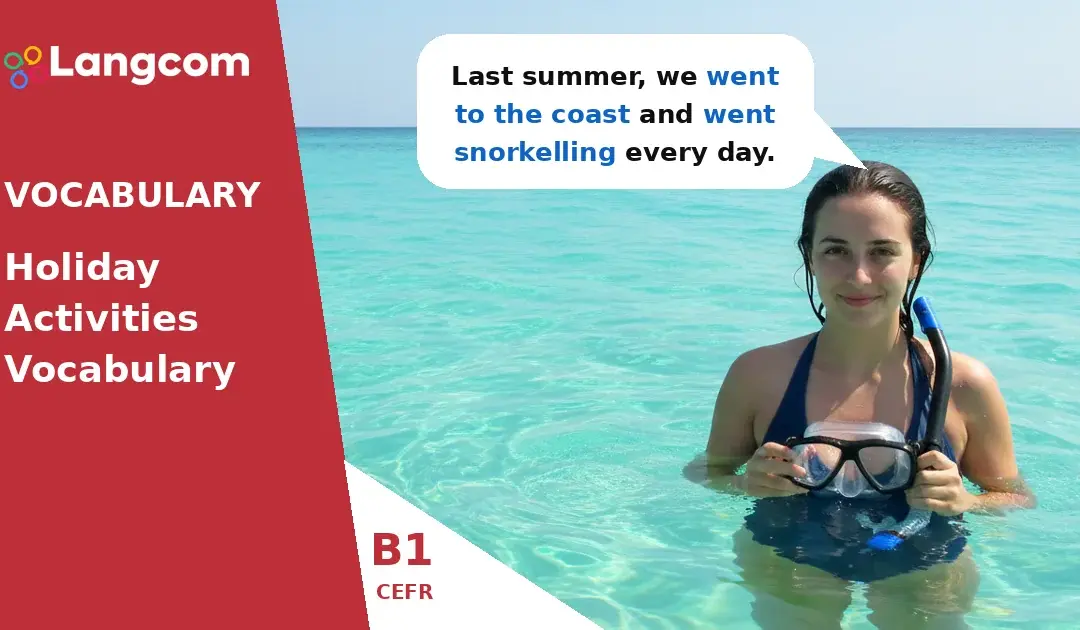
Talking about holiday activities in English is easy when you know the right verbs and phrases. Many common activities use verbs like go, do, play, or specific verbs like hire and buy. For example, you go sightseeing to see famous places, or you relax on the beach to...
di Raúl | Set 19, 2026 | B1 Preliminary (PET)
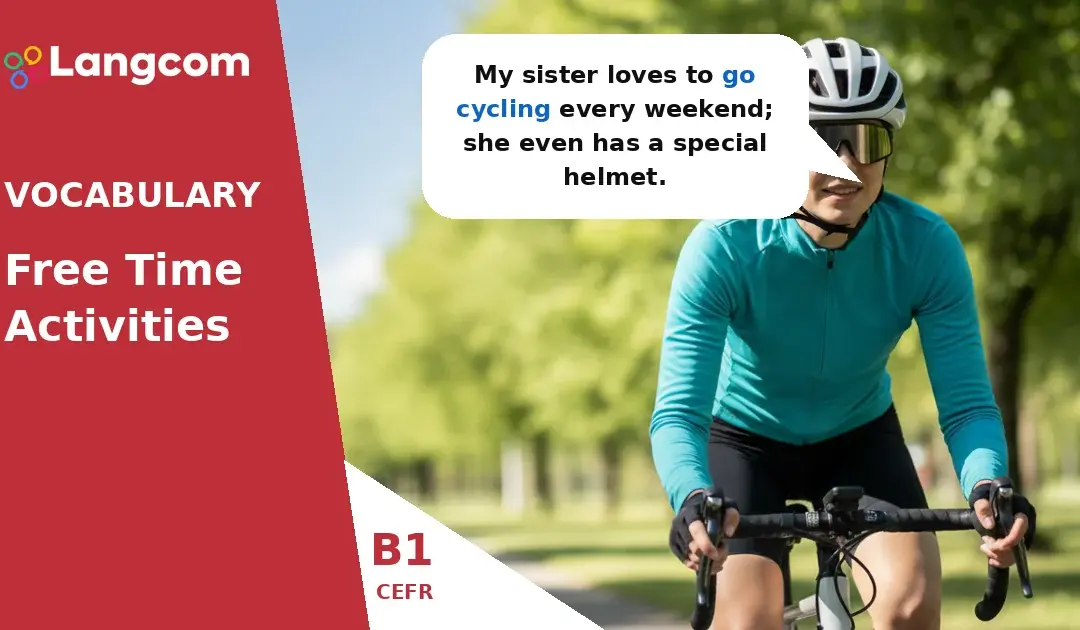
Hobbies are activities you do for pleasure and relaxation in your free time. They are important for enjoying life and meeting new people. Learning English vocabulary for hobbies helps you talk about your interests, ask others about theirs, and make conversations more...
