di Raúl | Set 8, 2026 | B1 Inglese intermedio
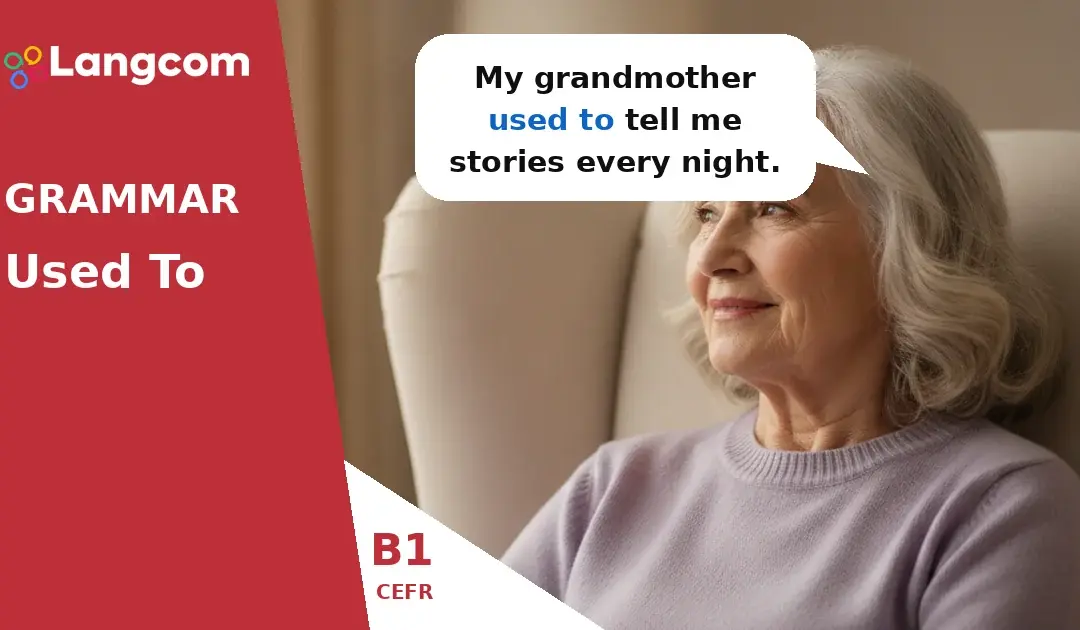
We use used to + infinitive to talk about habits or situations that were true in the past but are not true now. This grammar point helps you describe how things were different for you, other people, or the world in general. For example, if you say “I used to...
di Raúl | Set 8, 2026 | B1 Inglese intermedio
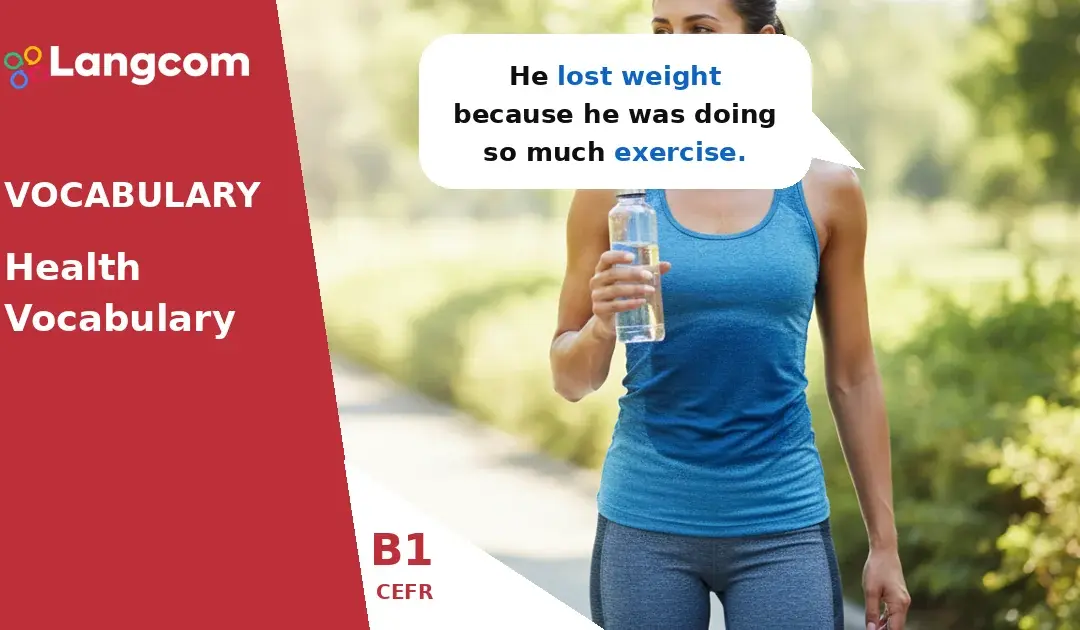
To talk about health in English, we use specific word combinations called collocations. These are groups of words that often go together, making your English sound more natural and fluent. For example, we say eat a healthy diet, not ‘make a healthy diet’....
di Raúl | Set 8, 2026 | B1 Inglese intermedio
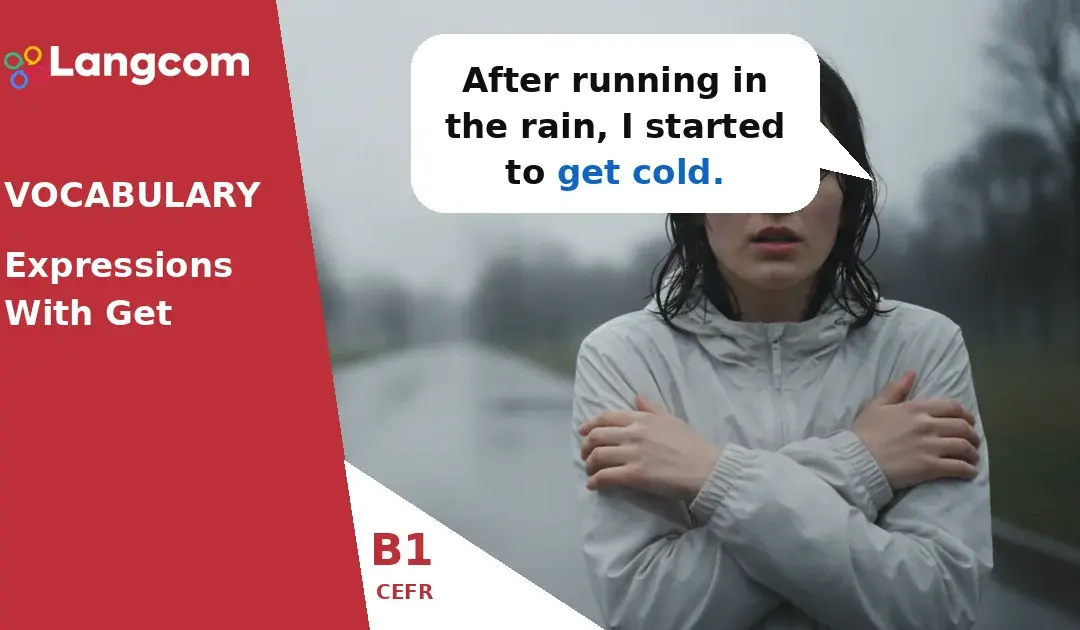
The verb get is one of the most common and versatile verbs in English, especially when combined with other words to form ‘collocations’. Collocations are natural word partnerships. They are groups of words that often go together, making your English sound...

di Raúl | Set 8, 2026 | B1 Inglese intermedio
Comparatives help you compare two things or actions, while superlatives describe one thing as the extreme in a group. For example, you might say My car is faster than yours (comparative) or This is the fastest car in the world (superlative). We use comparative...
di Raúl | 7 settembre 2026 | Inglese per bambini - Livello pre-A1 (principianti)
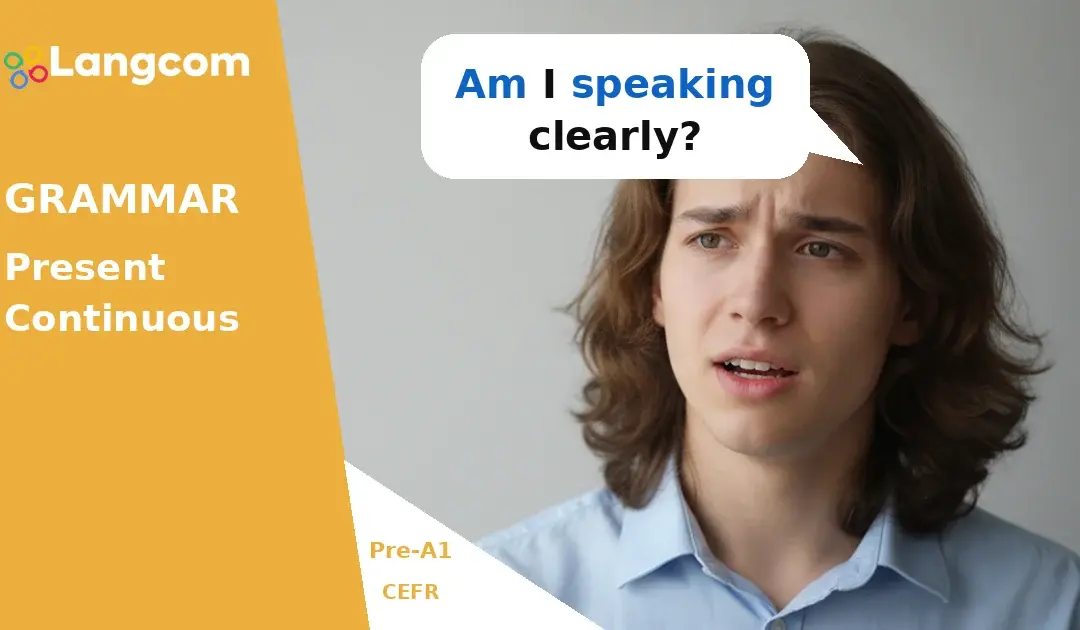
To ask questions in the Present Continuous, we change the word order: the be verb comes before the subject, followed by the main verb with -ing. This structure helps you ask about actions happening right now or around this moment. For example, to ask if someone is...
