par Raúl | Sep 10, 2026 | B2 First (FCE)
Gerunds are verbs ending in -ing that act like nouns, while infinitives are the base form of a verb, usually with ‘to’ (e.g., to read), often used to express purpose or after certain verbs. Understanding when to use each is essential for B2 English...
par Raúl | Sep 10, 2026 | B2 First (FCE)
Word formation is the process of creating new words or changing a word’s grammatical class (like from a verb to a noun) by adding prefixes or suffixes. This skill is crucial for the B2 First (FCE) exam, especially in Part 3 of the Reading and Use of English...
par Raúl | Sep 10, 2026 | B2 Intermédiaire supérieur en anglais
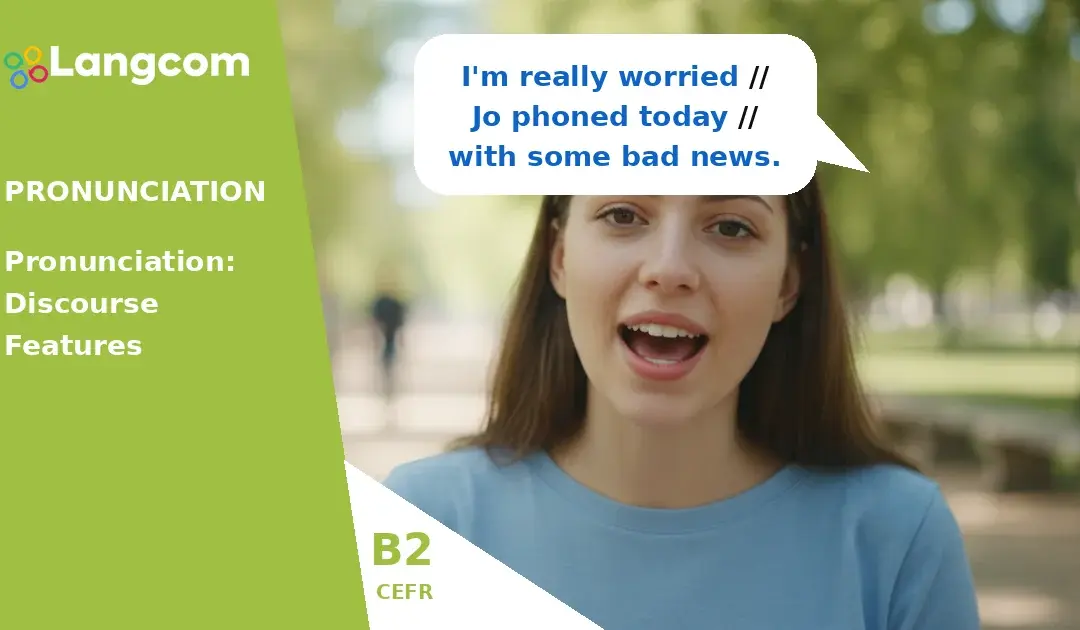
In English, word groups are small units of words that we speak together without pausing. These groups are often called ‘thought units’ because they represent a single idea or piece of information. Learning to group words correctly and use natural pauses is...
par Raúl | Sep 9, 2026 | B2 Intermédiaire supérieur en anglais
The Third Conditional and should have + past participle are key B2 English structures for discussing the past, but they serve different purposes. The Third Conditional helps you talk about hypothetical situations in the past that did not happen, and their imaginary...
par Raúl | Sep 9, 2026 | B2 Intermédiaire supérieur en anglais
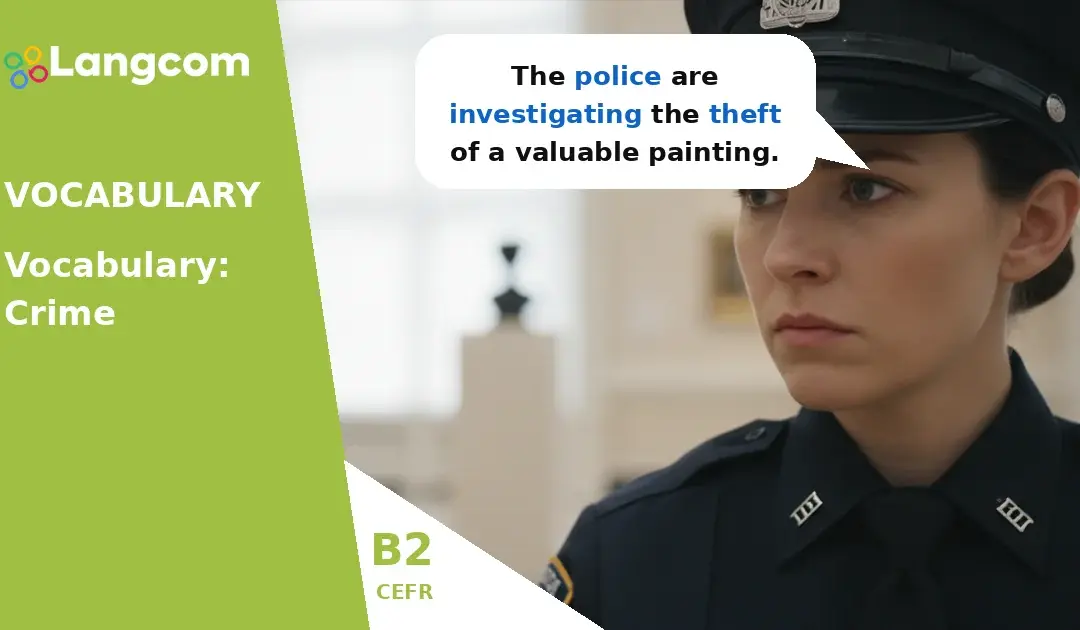
The key difference in crime vocabulary is understanding the context: Theft is general stealing, robbery involves force against a person, and burglary is entering a building illegally to steal. These three words are often confused, but they describe very different...

par Raúl | Sep 9, 2026 | B2 Intermédiaire supérieur en anglais
The First Conditional describes real or very likely future situations and their results, while the Second Conditional talks about imagined, unlikely, or hypothetical situations in the present or future. Both are essential for expressing possibilities and consequences...
