par Raúl | Sep 15, 2026 | B1 Anglais intermédiaire
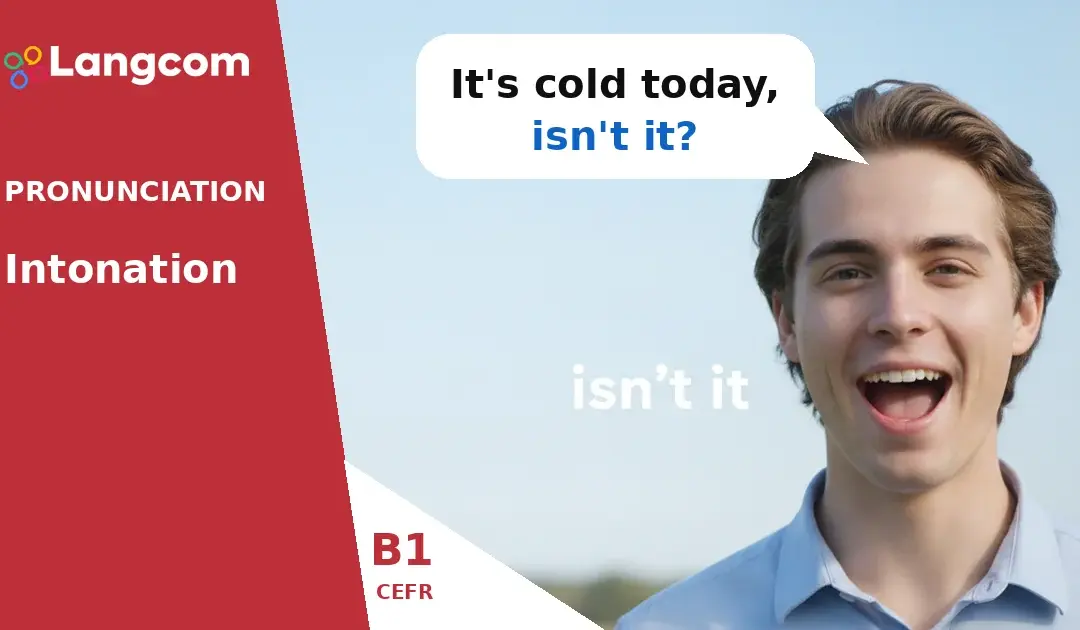
The way your voice goes up or down at the end of a question tag changes its meaning. If your voice goes down (falling intonation), you are usually checking information you already believe is true, and you expect the other person to agree. For example, in...

par Raúl | Sep 15, 2026 | B1 Anglais intermédiaire
Articles are small but important words in English that tell us if a noun is specific or general. There are three types: a, an (indefinite articles), the (definite article), and sometimes no article at all (the zero article). We use a or an when we talk about any one...
par Raúl | Sep 15, 2026 | B1 Anglais intermédiaire
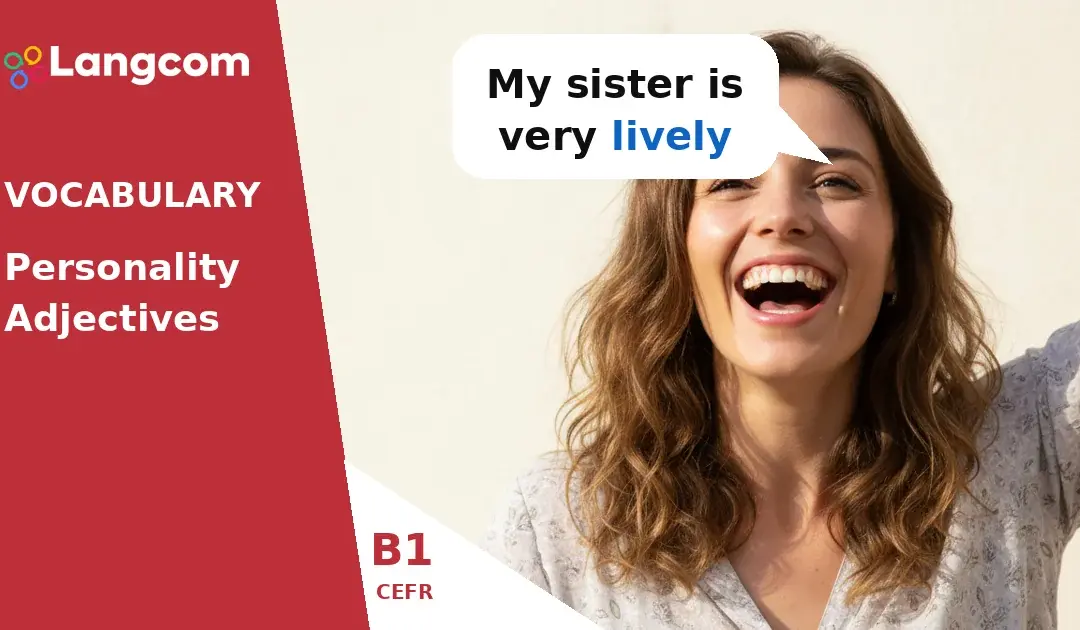
Personality adjectives help you describe people’s character and behavior in English. At B1 level, learning words like sociable, shy, lively, active, talkative, and sensitive is essential for conversations about friends, family, and colleagues. These words allow...
par Raúl | Sep 15, 2026 | B1 Anglais intermédiaire
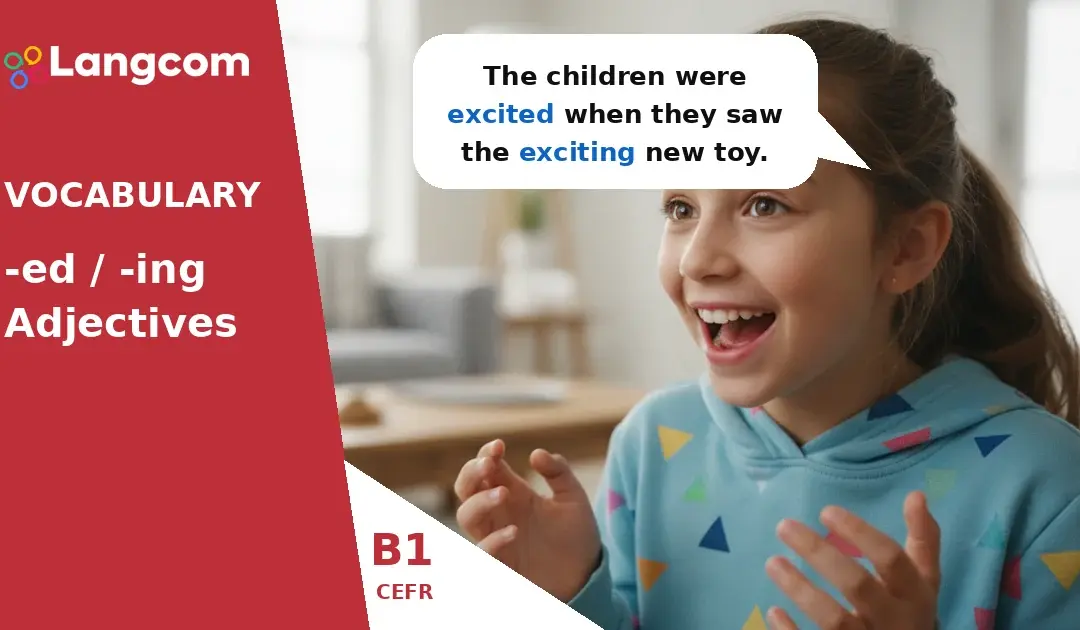
-ed adjectives describe how a person or animal *feels* (their emotion), while -ing adjectives describe the *cause* of that feeling or the characteristic of a thing or situation. For example, if a movie is boring, then you feel bored. The movie is the cause, and your...
par Raúl | Sep 15, 2026 | C1 Advanced Anglais
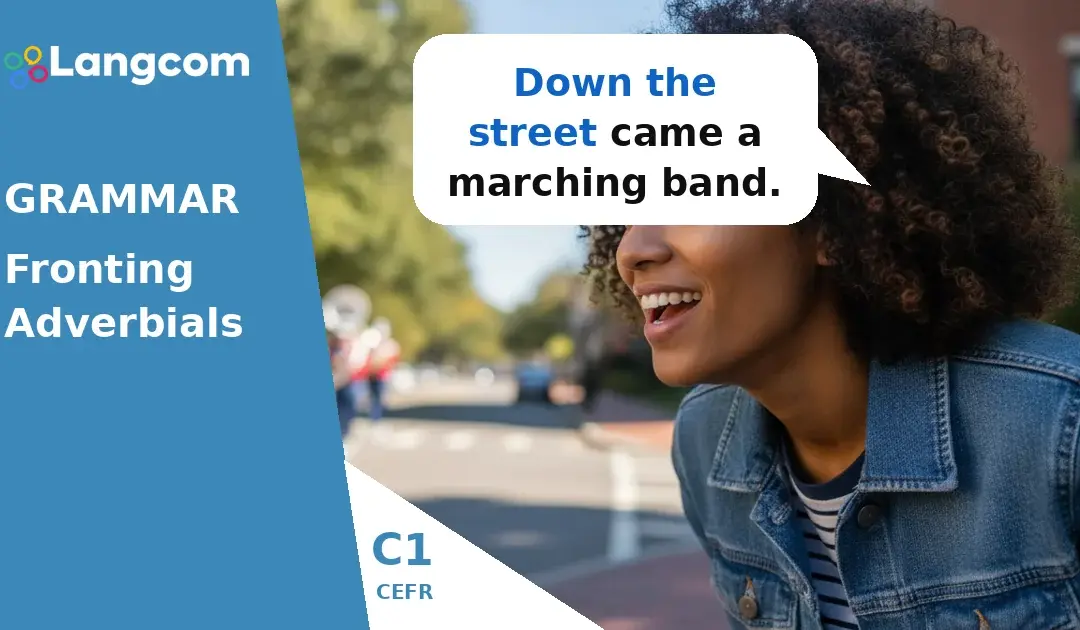
Fronting adverbials move an adverbial phrase (telling us where, when, or how something happens) to the beginning of a sentence. This advanced grammatical structure is used to add emphasis, create dramatic effect, or achieve a more formal and literary style in English....

par Raúl | Sep 15, 2026 | C1 Advanced Anglais
To discuss customs, traditions, and cultural practices at a C1 level, you need a rich vocabulary that goes beyond basic terms. This includes specific nouns like ritual, rite, practice, and festivities, which describe different aspects of cultural events. You also need...
