
par Raúl | 4 août 2026 | A2 Key (KET)
Le présent simple sert à décrire des actions qui se produisent régulièrement, des faits ou des vérités générales. C'est un temps verbal essentiel pour les apprenants de niveau A2 en anglais qui souhaitent parler de leur vie quotidienne. On l'utilise pour évoquer des routines, comme « Je me réveille tous les jours à 7 heures du matin », et pour parler d'habitudes, comme « Elle boit du café le... ».
par Raúl | 4 août 2026 | A2 Key (KET)
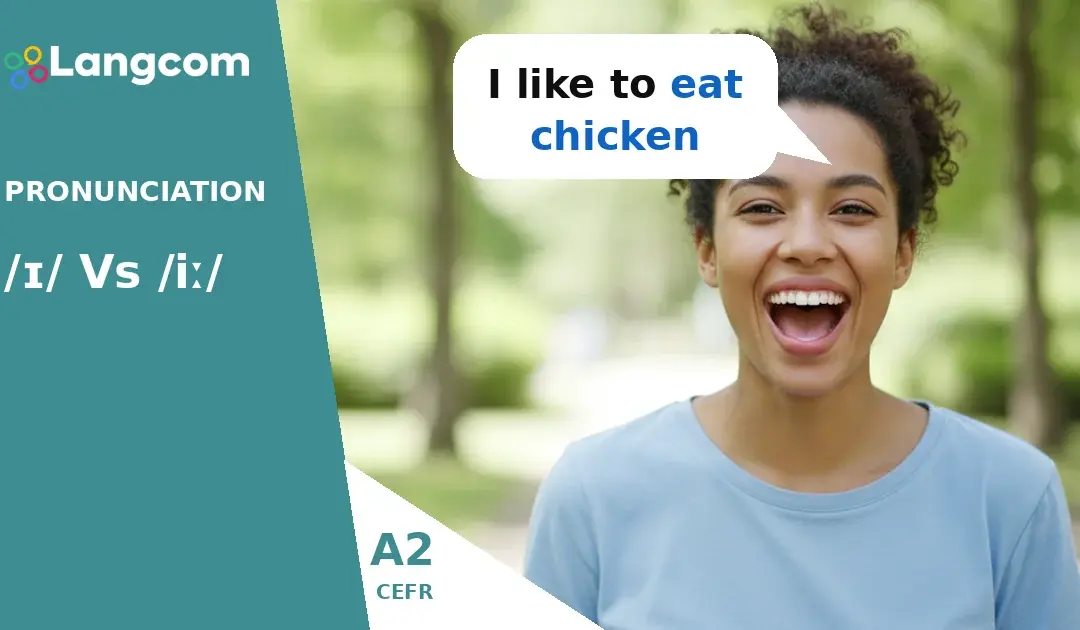
The English sounds /ɪ/ (short ‘i’) and /iː/ (long ‘ee’) are different and important for clear communication. The /ɪ/ sound is short and relaxed, like the ‘i’ in chicken or sit. Your mouth is slightly open, and your tongue is relaxed...
par Raúl | 4 août 2026 | A2 Key (KET)
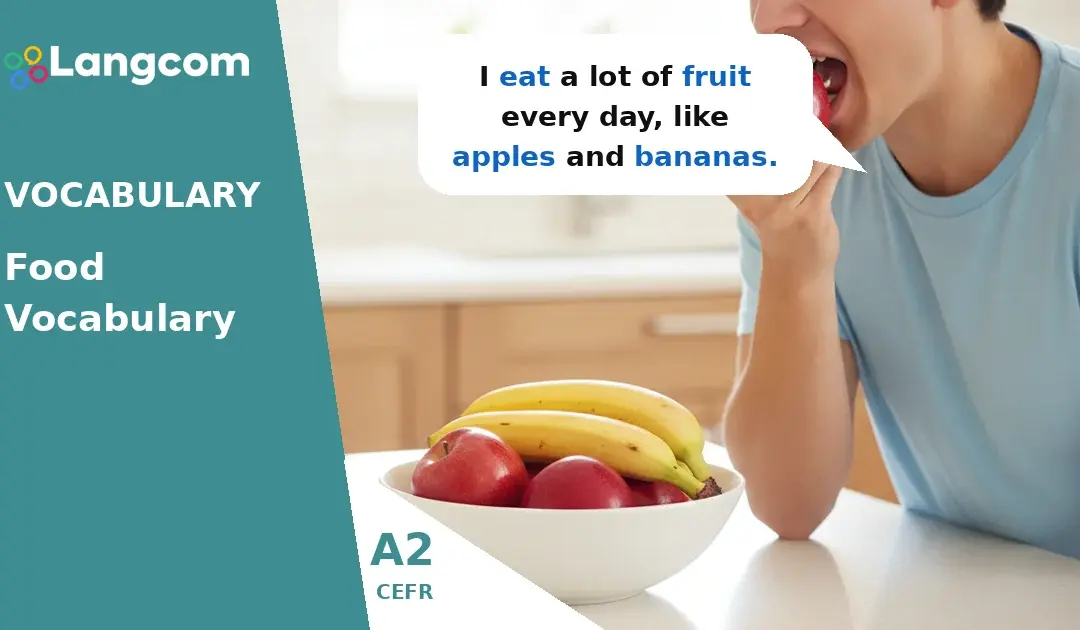
Understanding food groups helps you talk about what you eat, shop for food, and understand healthy diets in English. These groups categorize different types of food, like fruit, vegetables, dairy products, and meat. Learning these words is important for daily...

par Raúl | 3 août 2026 | A2 Key (KET)
In English, nouns are either countable or uncountable, and this affects how we use them, especially when talking about quantity. Countable nouns refer to things we can count individually, like one apple, two apples. They have both singular and plural forms....

par Raúl | 3 août 2026 | A2 Key (KET)
We use some in affirmative sentences and for offers or requests. We use any in negative sentences and most questions. Both some and any are used with plural countable nouns and uncountable nouns to talk about an unspecified quantity. They mean ‘a certain amount...

par Raúl | 3 août 2026 | A2 Key (KET)
Learning common English words for products helps you communicate easily when you go shopping. Knowing what different items are called, from fruit to sofas, makes your shopping experience much smoother. This vocabulary is useful in many places, like supermarkets,...
