
par Raúl | 4 août 2026 | A2 Key (KET)
Le présent simple sert à décrire des actions qui se produisent régulièrement, des faits ou des vérités générales. C'est un temps verbal essentiel pour les apprenants de niveau A2 en anglais qui souhaitent parler de leur vie quotidienne. On l'utilise pour évoquer des routines, comme « Je me réveille tous les jours à 7 heures du matin », et pour parler d'habitudes, comme « Elle boit du café le... ».
par Raúl | 4 août 2026 | A2 Key (KET)
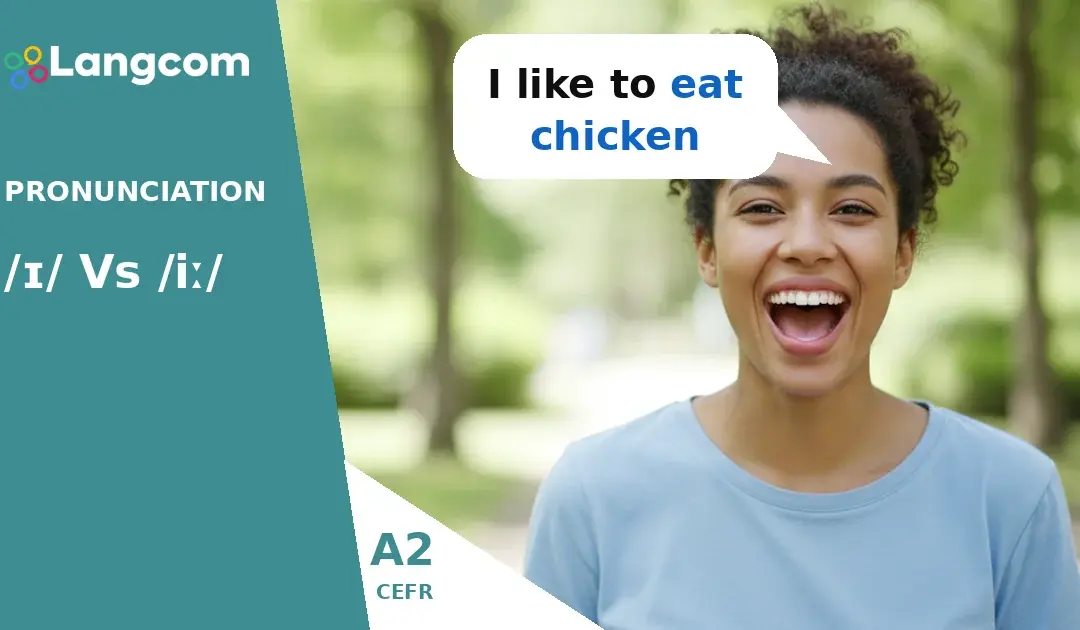
The English sounds /ɪ/ (short ‘i’) and /iː/ (long ‘ee’) are different and important for clear communication. The /ɪ/ sound is short and relaxed, like the ‘i’ in chicken or sit. Your mouth is slightly open, and your tongue is relaxed...
par Raúl | 4 août 2026 | A2 Key (KET)
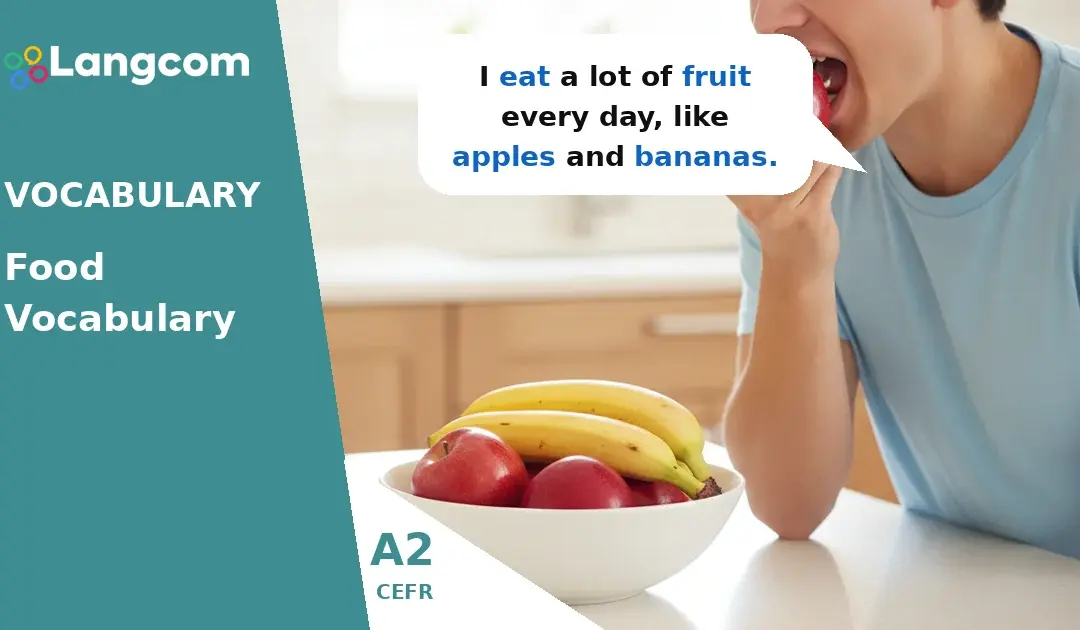
Understanding food groups helps you talk about what you eat, shop for food, and understand healthy diets in English. These groups categorize different types of food, like fruit, vegetables, dairy products, and meat. Learning these words is important for daily...
par Raúl | 4 août 2026 | B2 First (FCE)
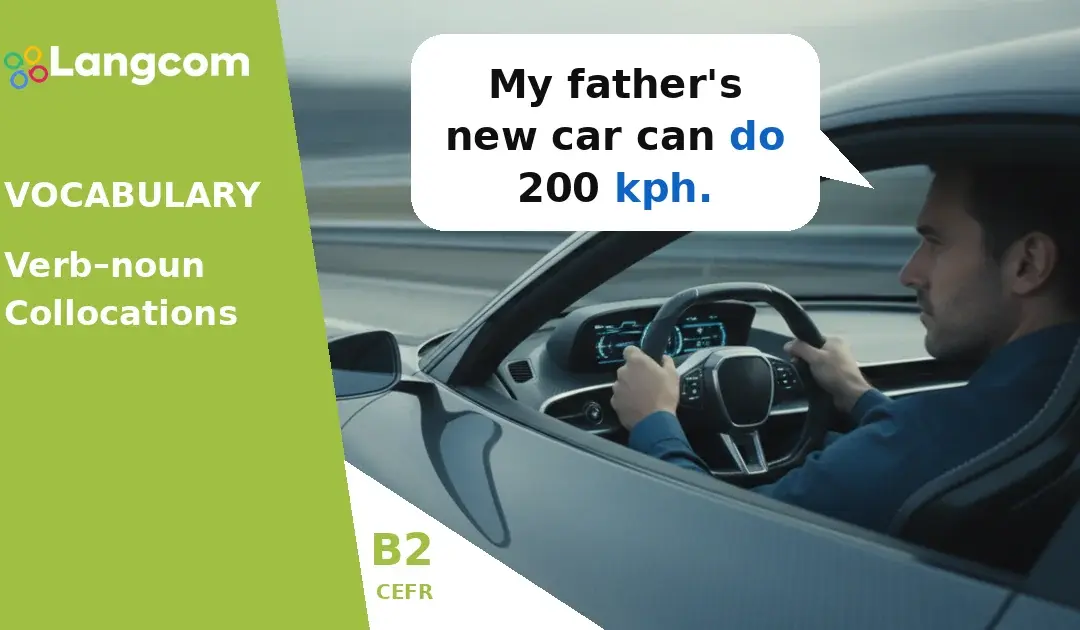
Verb-noun collocations are natural partnerships between a verb and a noun that native English speakers commonly use. They are not just any combination of words; they are specific pairs that sound ‘right’ together. For example, we say make a decision, not...
par Raúl | 4 août 2026 | B2 First (FCE)
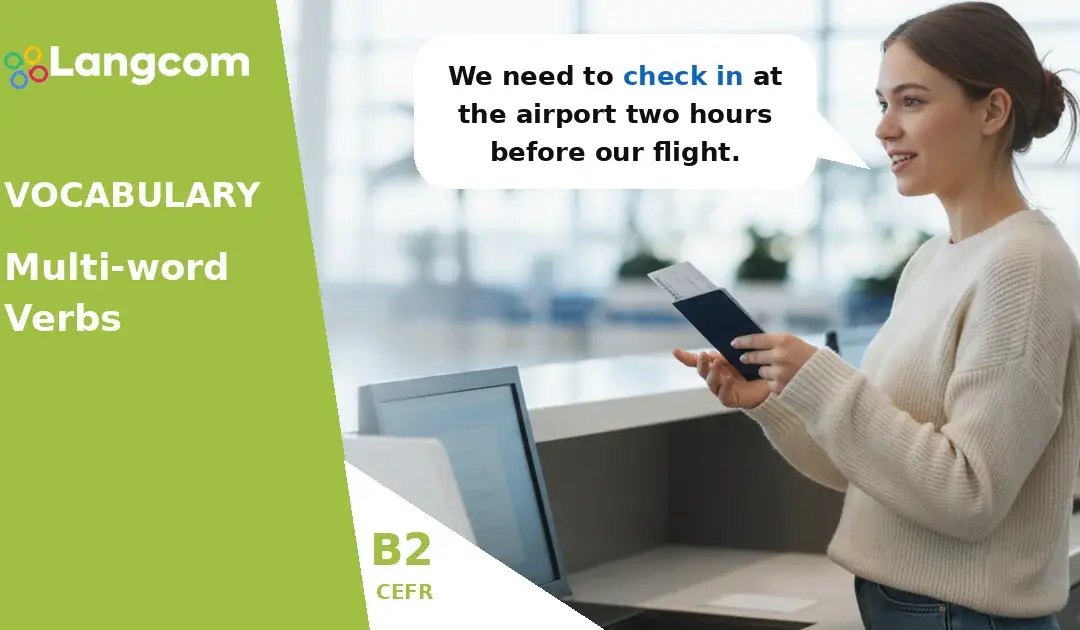
Multi-word verbs, also known as phrasal verbs, are essential for describing travel in English, especially at B2 level. These verbs combine a main verb with a preposition or an adverb, creating a new meaning that is often different from the individual words. For...
par Raúl | 4 août 2026 | B2 First (FCE)
Precise vocabulary is key for describing travel experiences accurately in English. At B2 level, it’s important to move beyond general words and use specific terms for different aspects of your holidays. For instance, hostel, bed and breakfast, and campsite are...
