
par Raúl | Juil 25, 2026 | A1 Anglais pour débutants
To talk about how often you do something in English, use simple time expressions like once a week, twice a month, or every day. These phrases help you describe the frequency of your actions clearly. For example, you can say I play football once a week or She drinks...

par Raúl | Juil 25, 2026 | A1 Anglais pour débutants
Adverbs of frequency like always, usually, often, and never tell us how often something happens. In English, their position in a sentence is very important for clear communication. There are two main rules to remember for A1 English. First, for most verbs (like eat,...
par Raúl | Juil 25, 2026 | B2 Intermédiaire supérieur en anglais
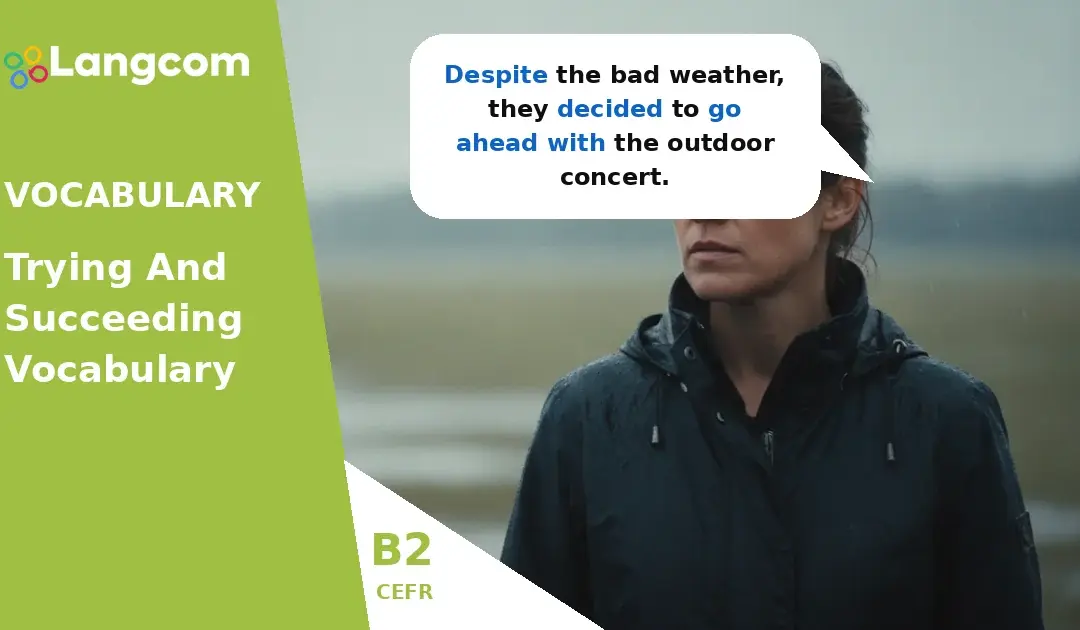
Mastering verbs of effort helps you describe how you try, manage, and succeed in English. These B2-level verbs are essential for discussing challenges, projects, and personal growth, making your communication more precise and natural. They allow you to express the...

par Raúl | Juil 23, 2026 | A1 Anglais pour débutants
The letters ou in English can make different sounds. This is common in English pronunciation! For A1 learners, it’s important to know the three main sounds of ou to speak more clearly. First, ou often sounds like ow in cow. You hear this in words like house,...
par Raúl | Juil 23, 2026 | B2 Intermédiaire supérieur en anglais
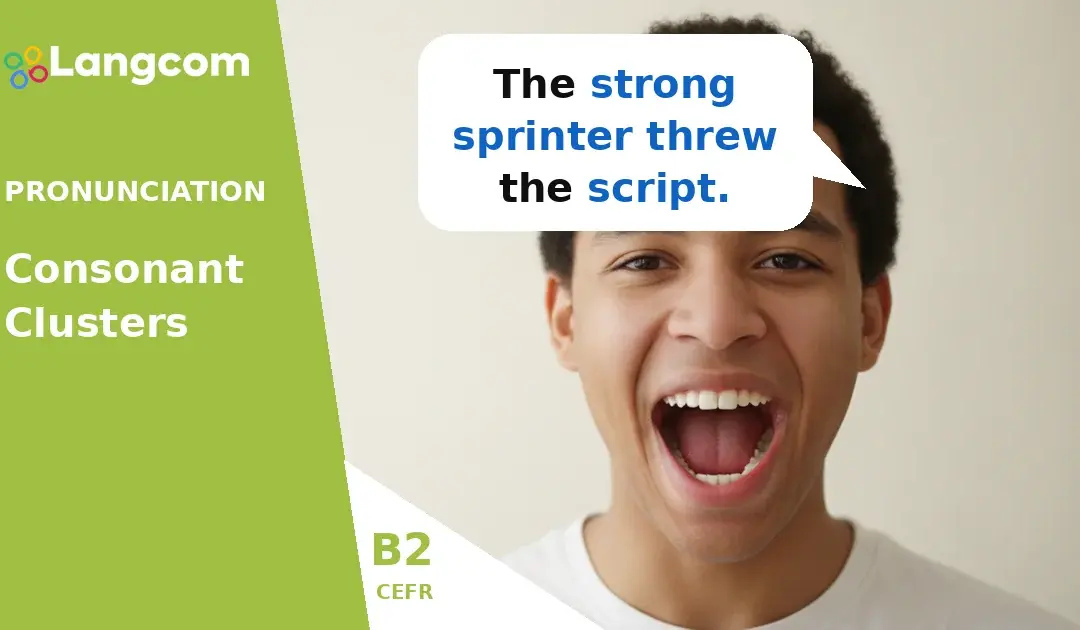
Consonant clusters are groups of two or more consonant sounds that appear together in a word without a vowel sound between them. For B2 English learners, mastering these clusters is crucial for clear and natural pronunciation. Unlike many Spanish words, English...

par Raúl | Juil 22, 2026 | B2 Intermédiaire supérieur en anglais
Past modals of deduction help us make educated guesses or conclusions about events that happened in the past. We use them when we are not 100% certain, but we have some evidence or information that helps us form an opinion. These modals express different levels of...
