par Raúl | Sep 6, 2026 | C1 Advanced Anglais
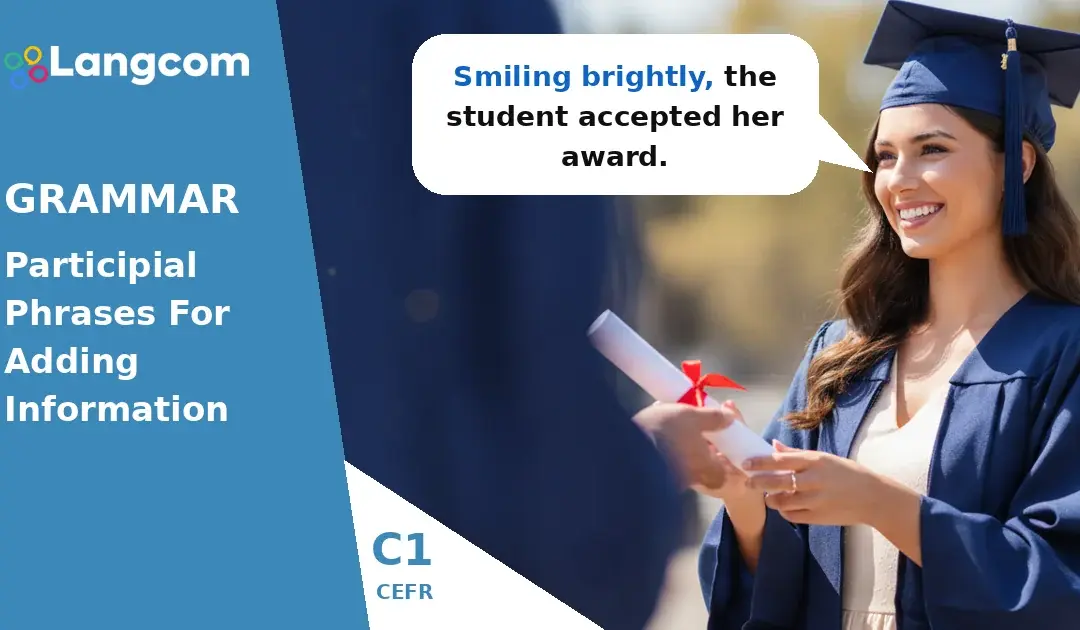
Participial phrases in initial position add sophisticated detail to your sentences, making your writing more concise and formal. These powerful grammatical structures, common in advanced English, begin a sentence with a participle form – either a present participle...

par Raúl | Sep 6, 2026 | B2 Intermédiaire supérieur en anglais
To describe remote places effectively in English, use specific adjectives that convey their unique characteristics, such as their size, natural state, or how welcoming they are. These words help you paint a vivid picture for your listener or reader, whether you are...
par Raúl | Sep 6, 2026 | C1 Advanced Anglais
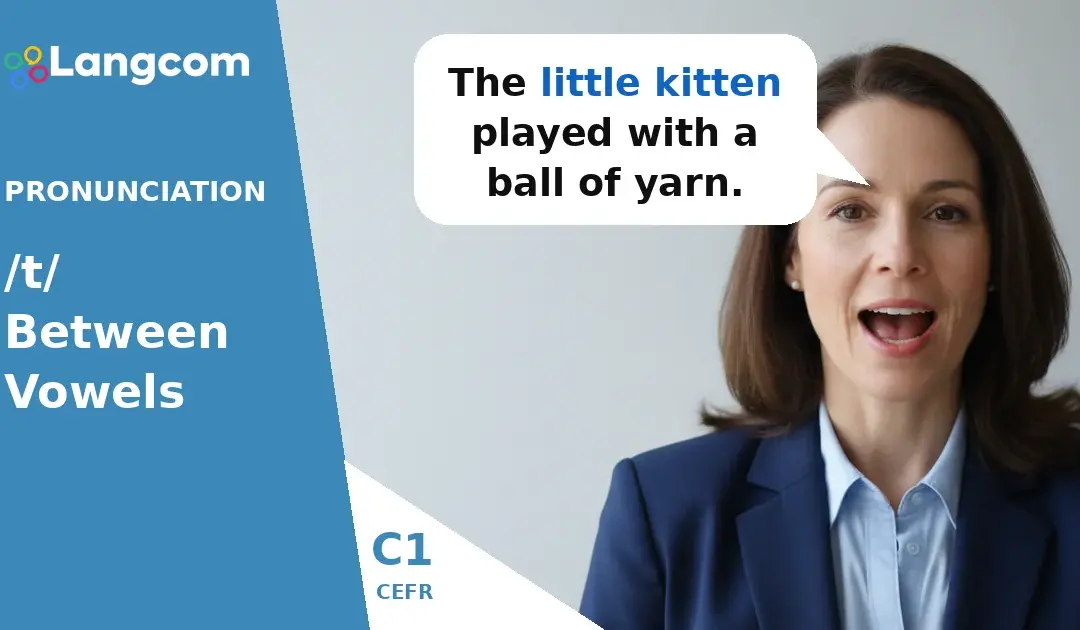
In American English, when the letter ‘t’ appears between two vowel sounds, it often changes its pronunciation to a quick, soft ‘d’ sound. This special sound is called the flap T or tapped T. It’s crucial for C1 learners to understand this...
par Raúl | Sep 6, 2026 | B1 Anglais intermédiaire
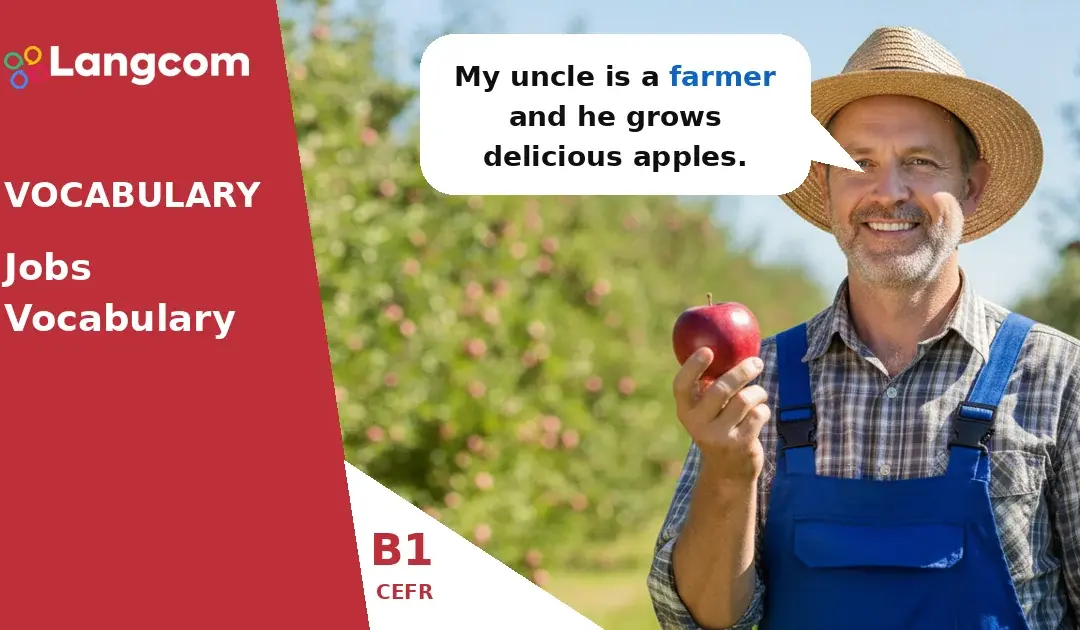
Learning vocabulary for jobs helps you describe what people do and talk about your own work. Knowing words like doctor, chef, and nurse is essential for everyday conversations about professions. For example, a vet is a doctor for animals, helping them when they are...

par Raúl | Sep 6, 2026 | B1 Anglais intermédiaire
Will and might are modal verbs we use to talk about the future, specifically to make predictions. They both help us guess what will happen, but they show different levels of certainty. Use will when you are very sure or confident about a future event. For example, I...

par Raúl | Sep 6, 2026 | B1 Anglais intermédiaire
Must, have to, and can are modal verbs that help us talk about obligation, necessity, and permission in English. While they might seem similar, their meanings and uses are distinct. Must expresses a strong, often internal, obligation or a strict rule, like You must...
