par Raúl | Sep 9, 2026 | A1 Anglais pour débutants
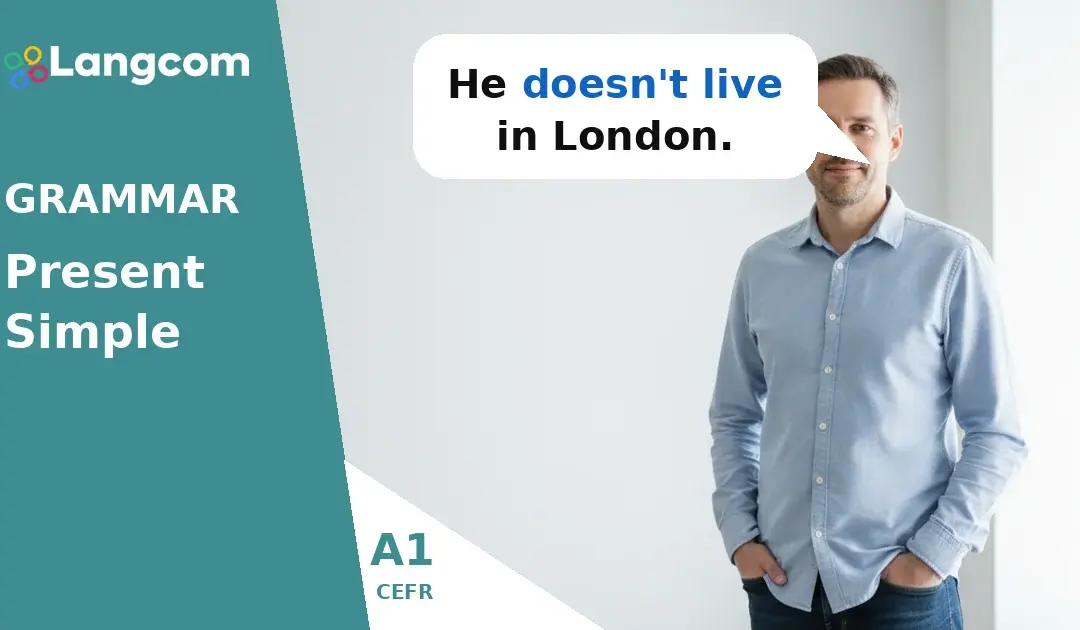
To make negative sentences in the Present Simple for ‘he’, ‘she’, and ‘it’, you always use doesn’t followed by the base form of the verb. This means you do not add ‘-s’ to the main verb. For example, you say He...

par Raúl | Sep 9, 2026 | A1 Anglais pour débutants
Learning job words helps you talk about what people do every day! In English, we use specific words to describe different jobs. For example, someone who helps customers in a shop is a shop assistant. If you drive a car for money, you are a taxi driver. People who...
par Raúl | Sep 9, 2026 | B1 Anglais intermédiaire
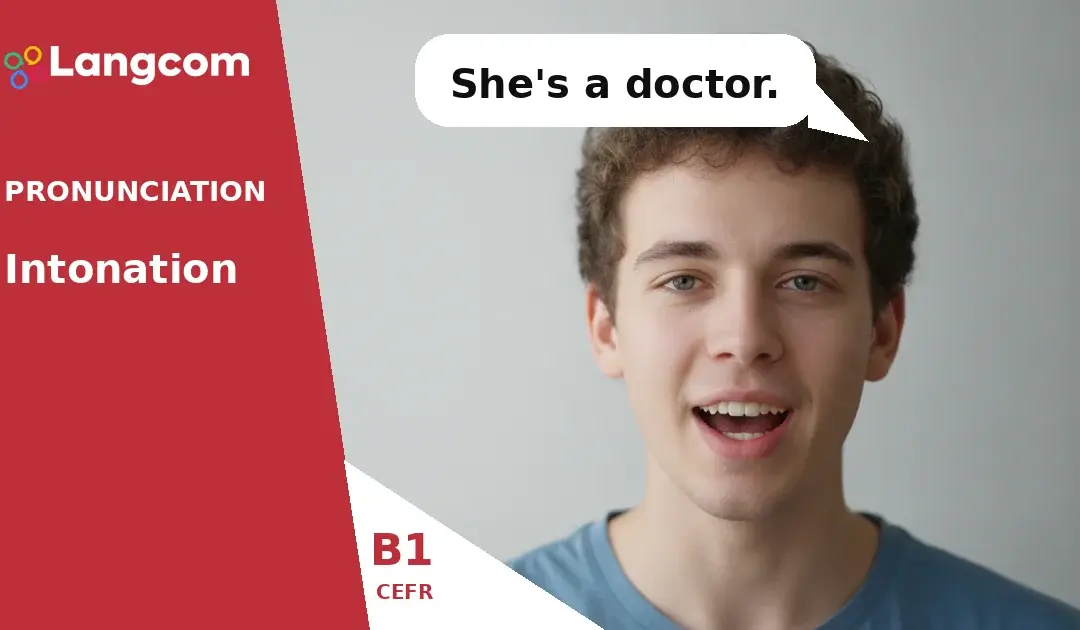
Intonation is the music of English, and it helps listeners understand if you have finished speaking or if you have more to say. Generally, a falling intonation (your voice goes down) signals that you are finishing a thought, making a statement, or asking a...
par Raúl | Sep 9, 2026 | B1 Anglais intermédiaire
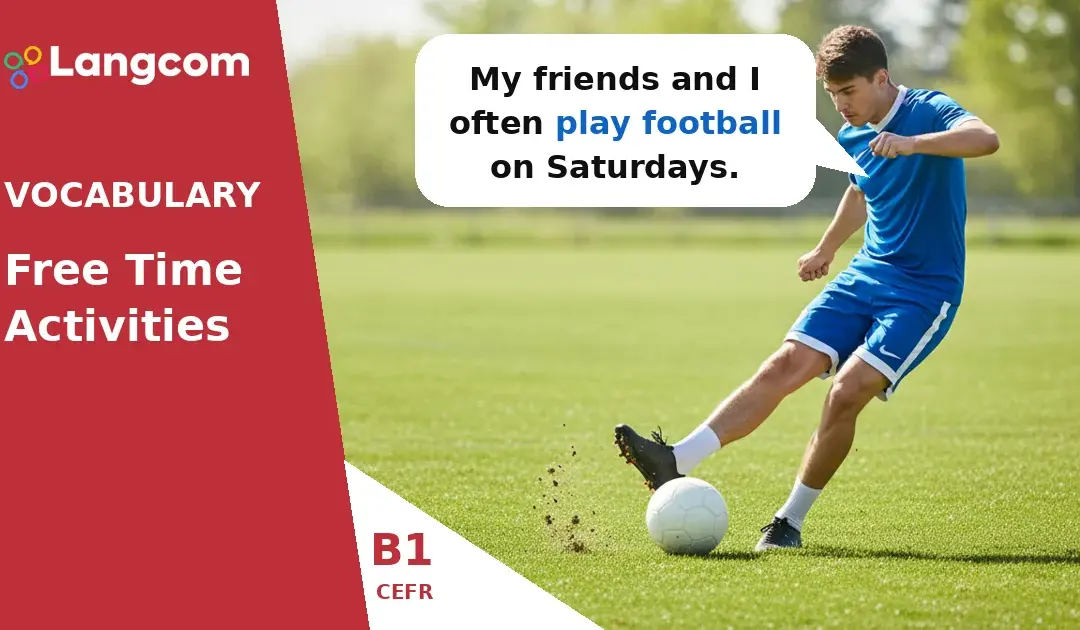
To choose the correct verb for sports and activities in English, remember these simple rules: use play for team sports or games with a ball, go for activities ending in -ing (often individual or adventure sports), and do for individual activities, martial arts, or...

par Raúl | Sep 9, 2026 | B1 Anglais intermédiaire
The present perfect with for and since helps us talk about actions or situations that started in the past and are still true or happening now. It connects a past event to the present moment. We use for to describe the *duration* of time, meaning how long something has...
par Raúl | Sep 9, 2026 | A1 Anglais pour débutants
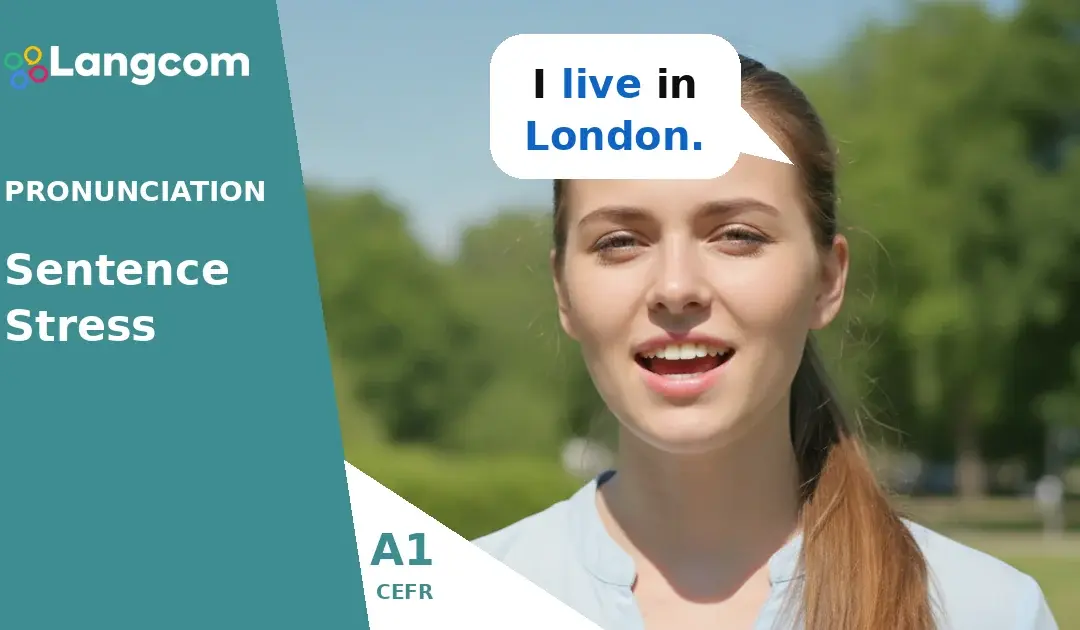
Sentence stress is when you say some words in a sentence more strongly than others. This is very important in English because it helps people understand your meaning. When you stress a word, you make it a little louder, longer, and sometimes with a higher pitch....
