par Raúl | Sep 12, 2026 | C1 Advanced Anglais
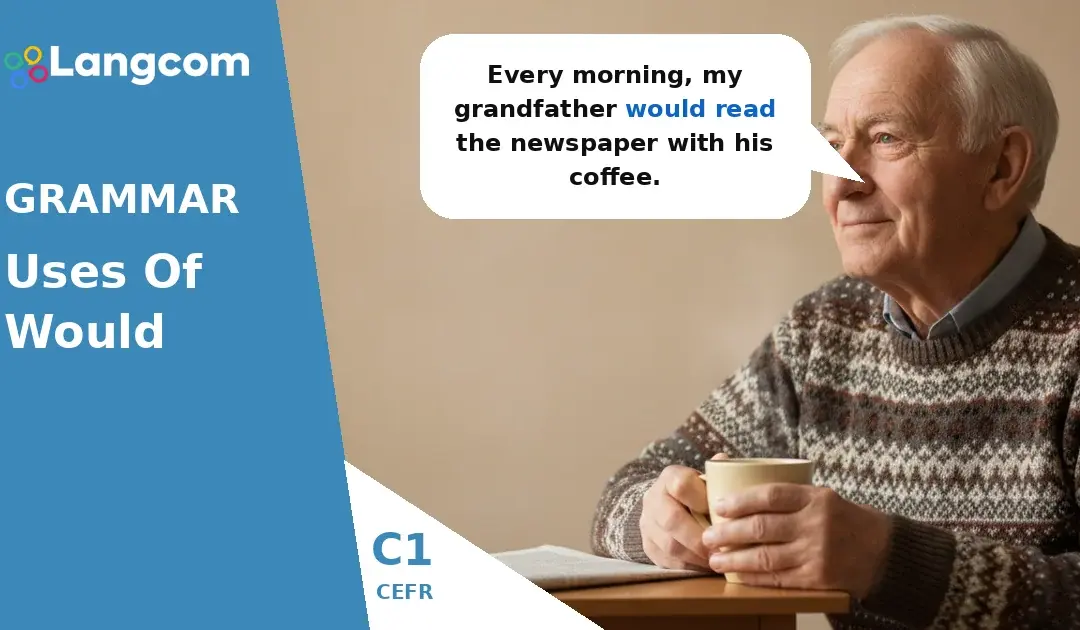
Would is a highly versatile modal verb in English, crucial for expressing a range of complex ideas, from hypothetical situations and past habits to polite requests and reported speech. At a C1 level, mastering would means understanding its nuanced role in creating...
par Raúl | Sep 12, 2026 | C1 Advanced Anglais
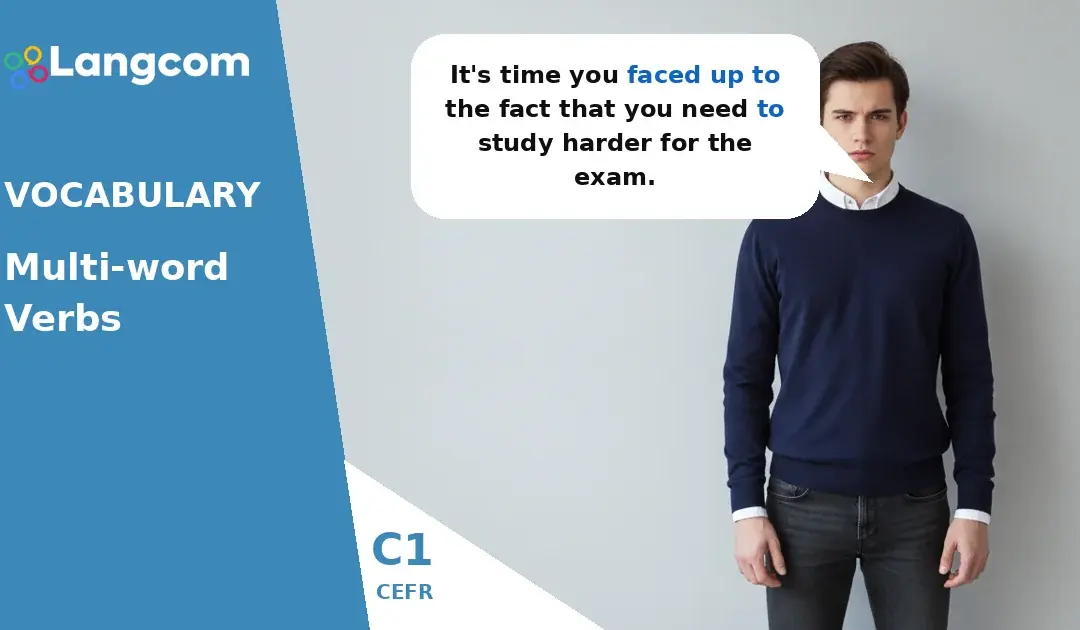
Three-word phrasal verbs are essential for C1 English, combining a verb, an adverb, and a preposition to create new, often idiomatic meanings that are crucial for natural communication. These complex multi-word verbs, such as face up to (to confront a difficult...
par Raúl | Sep 11, 2026 | C1 Advanced Anglais
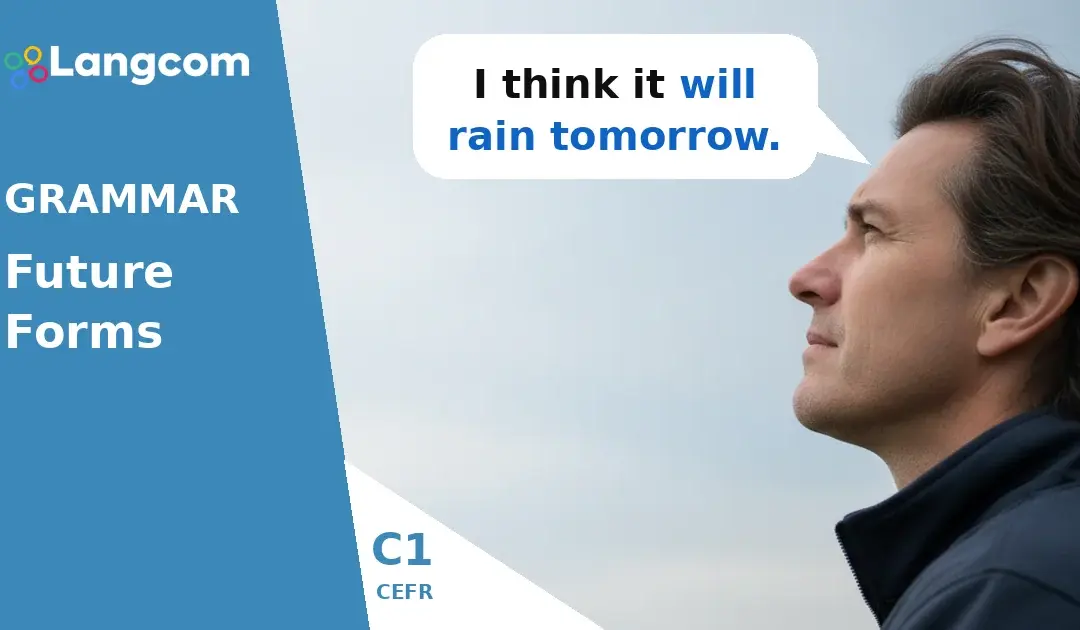
‘Will’ is a versatile auxiliary verb in English, used not only for simple future predictions but also for expressing a range of nuanced meanings, including assumptions, typical behaviors, spontaneous decisions, criticism, and promises. For C1 learners,...
par Raúl | Sep 11, 2026 | C1 Advanced Anglais
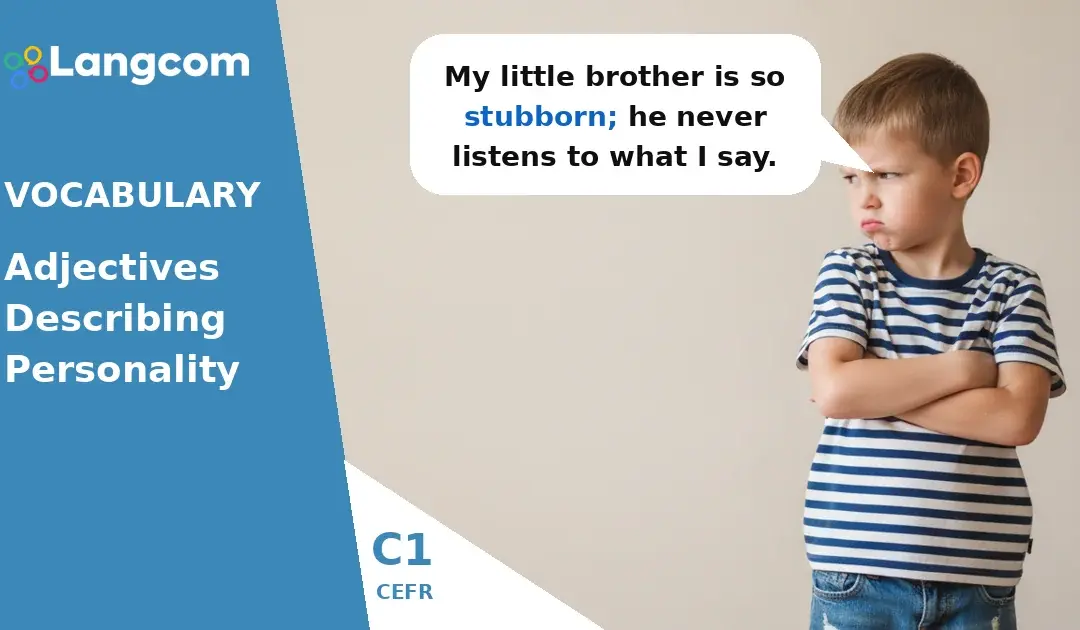
C1 English learners master personality adjectives by understanding their subtle nuances and connotations, especially how similar traits can be described positively or negatively depending on context. Moving beyond basic descriptions, C1 proficiency requires you to...

par Raúl | Sep 11, 2026 | C1 Advanced Anglais
To describe people effectively in C1 English, you need vocabulary that goes beyond simple physical appearance. These words allow you to talk about someone’s social group, their generation, their job type, or their personality and lifestyle choices. Understanding...
par Raúl | Sep 11, 2026 | C1 Advanced Anglais
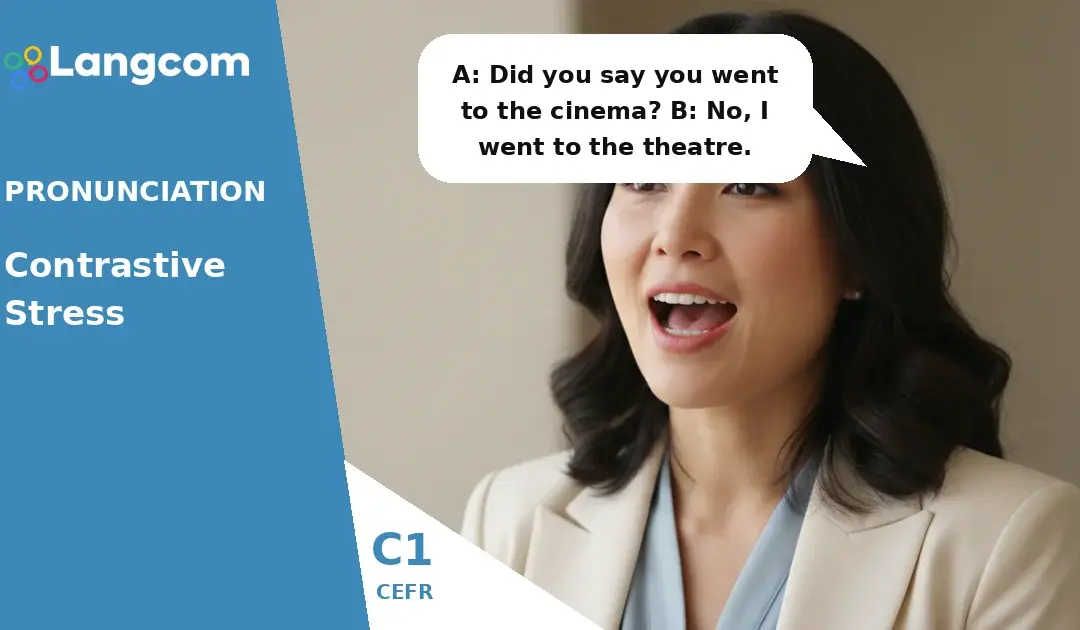
Contrastive stress is when you place extra emphasis on a specific word in a sentence to highlight new information, correct a misunderstanding, or draw attention to a particular detail. This shift in stress changes the focus of the sentence, making it clear which part...
