par Raúl | Sep 13, 2026 | B2 First (FCE)
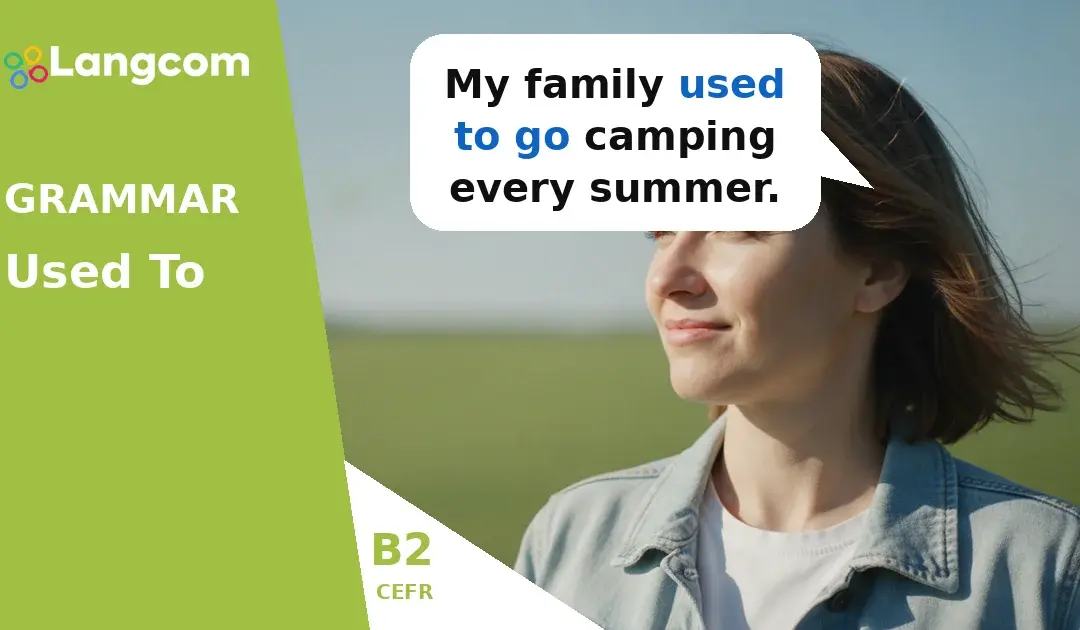
Understanding used to, would, be used to, and get used to is key for B2 English learners to talk about past habits, past states, and becoming accustomed to something. Used to describes actions or situations that were regular in the past but are not now, like I used to...

par Raúl | Sep 13, 2026 | Pre A1 Starters
The Present Continuous tense helps you talk about actions happening right now, at this exact moment. It’s like saying ‘now’ with your verb! We use a special form: am, is, or are (from the verb to be) + a verb ending in -ing. For example, if you say I...
par Raúl | Sep 13, 2026 | B2 Intermédiaire supérieur en anglais
To express obligation or permission in English, we use a variety of modal verbs and phrases, each with specific nuances depending on the situation and the speaker’s perspective. For strong obligations, we often use must or have to, with must typically indicating...
par Raúl | Sep 13, 2026 | B2 Intermédiaire supérieur en anglais
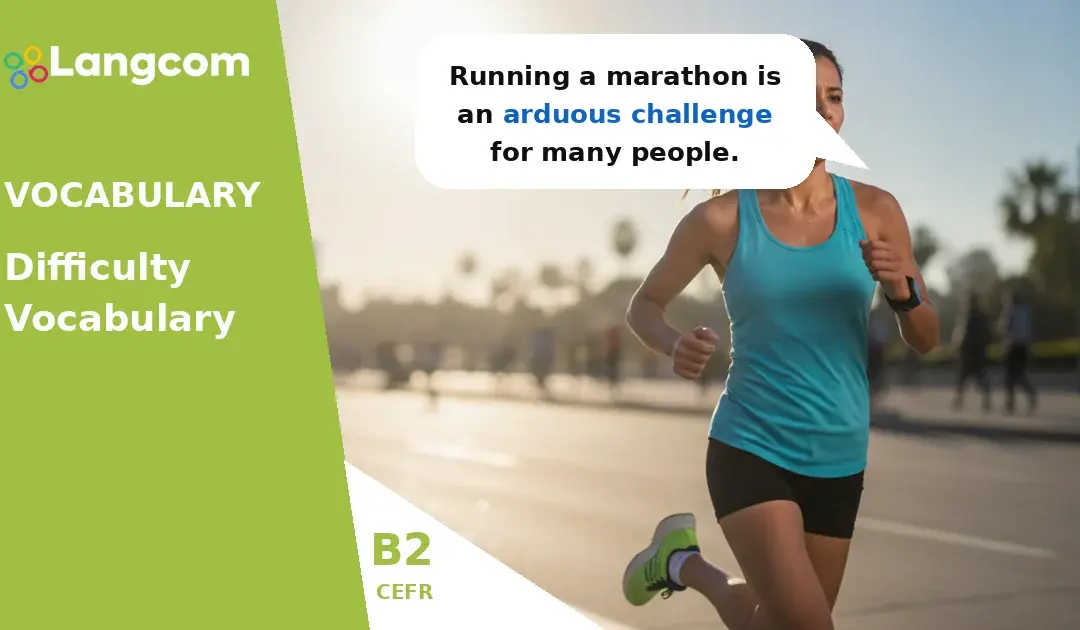
To communicate effectively in English, especially at B2 level, it’s important to use a variety of words to describe difficulty. While difficult and hard are useful, they are very general. Using more precise vocabulary helps you express exactly how challenging...
par Raúl | Sep 13, 2026 | B2 Intermédiaire supérieur en anglais
Modal verbs like must, have to, need to, can, and can’t are crucial for expressing necessity, obligation, and possibility in English at a B2 level. These verbs help you communicate whether something is required, optional, or simply possible. Understanding their...
