par Raúl | Sep 15, 2026 | B1 Anglais intermédiaire
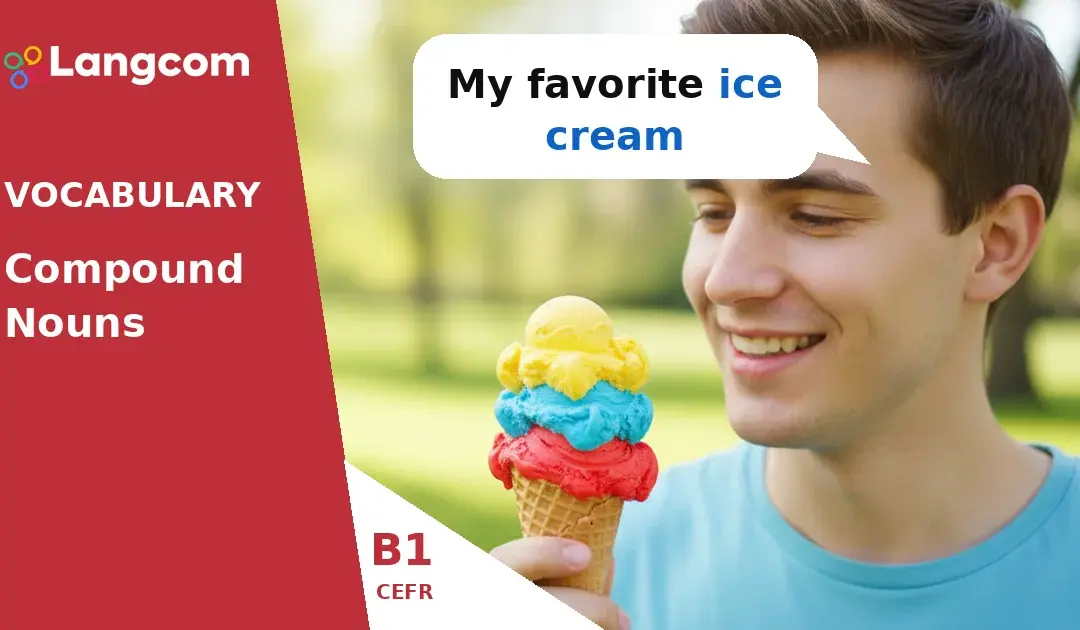
Compound nouns combine two or more words to create a new word with a single meaning. These words act as one noun, even if they are written as two separate words or with a hyphen. For example, sun and flower combine to form sunflower, which is a single type of plant....
par Raúl | Sep 15, 2026 | B1 Anglais intermédiaire
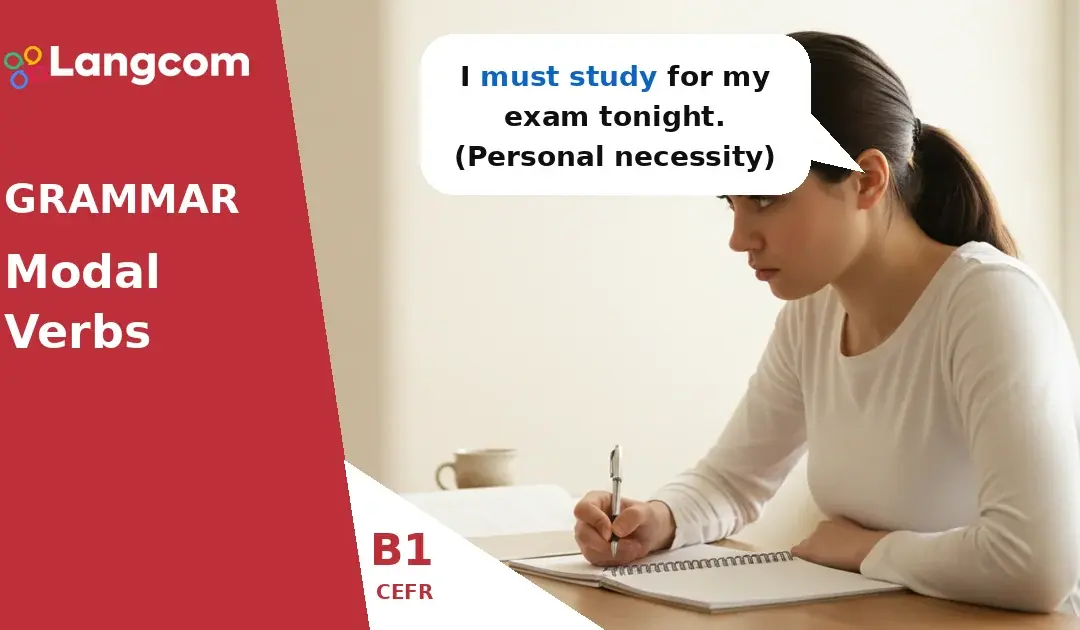
Modals of obligation like must, have to, should, mustn’t, and don’t have to help us talk about rules, necessity, and advice in English. These special verbs change the meaning of the main verb, showing how strong an obligation is, if something is necessary,...
par Raúl | Sep 15, 2026 | B1 Anglais intermédiaire
Voiced consonants make your vocal cords vibrate, while unvoiced consonants do not. This difference is key to clear English pronunciation. To feel it, place your hand on your throat when you speak. For example, when you say the /b/ sound in bat, you will feel a...
par Raúl | Sep 15, 2026 | B1 Anglais intermédiaire
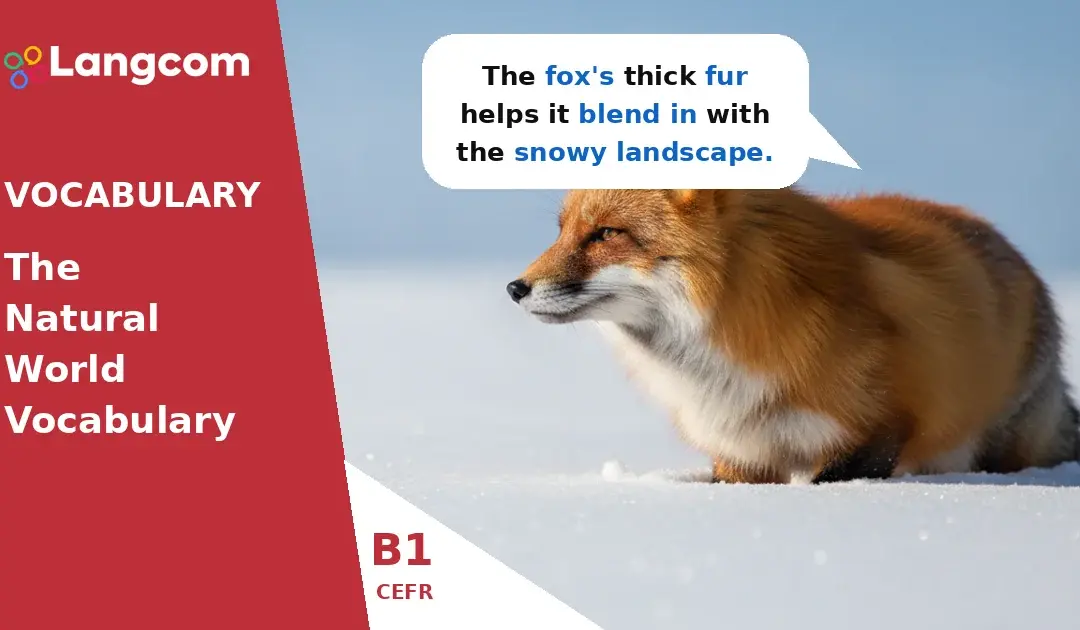
Learning specific vocabulary for the natural world helps you describe animals, plants, and their environments accurately in English. These words are essential for talking about nature, understanding documentaries, or reading articles about wildlife and ecosystems. For...
par Raúl | Sep 15, 2026 | B1 Anglais intermédiaire
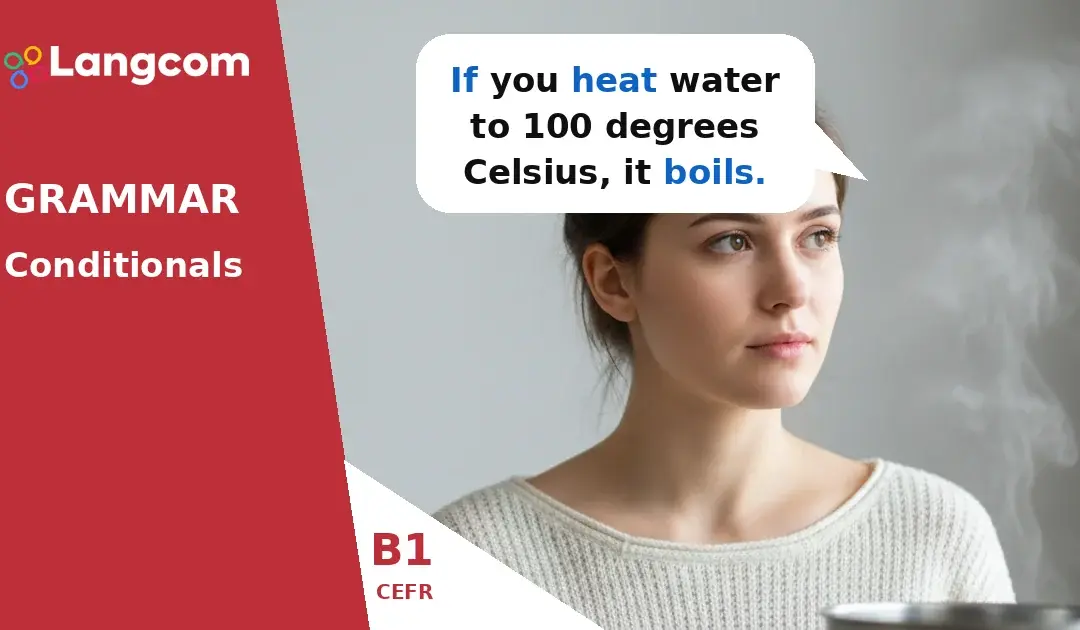
The zero conditional describes general truths and scientific facts, showing what always happens under certain conditions. The first conditional, however, talks about real or possible situations and their likely outcomes in the future. Both structures use an...
