par Raúl | Sep 9, 2026 | A1 Anglais pour débutants
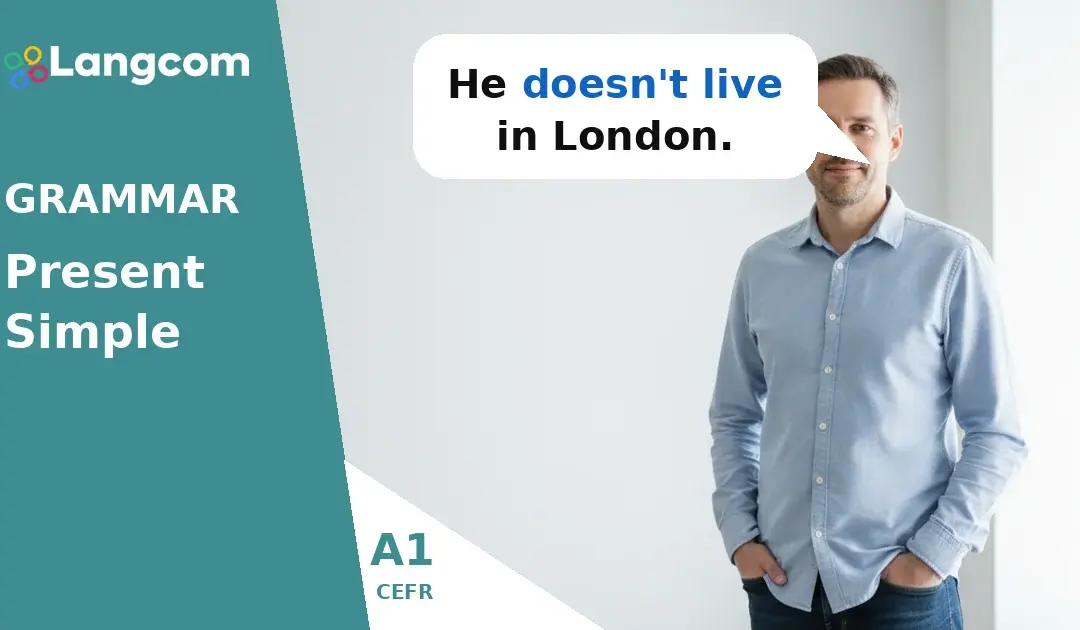
To make negative sentences in the Present Simple for ‘he’, ‘she’, and ‘it’, you always use doesn’t followed by the base form of the verb. This means you do not add ‘-s’ to the main verb. For example, you say He...
par Raúl | Sep 9, 2026 | A1 Anglais pour débutants
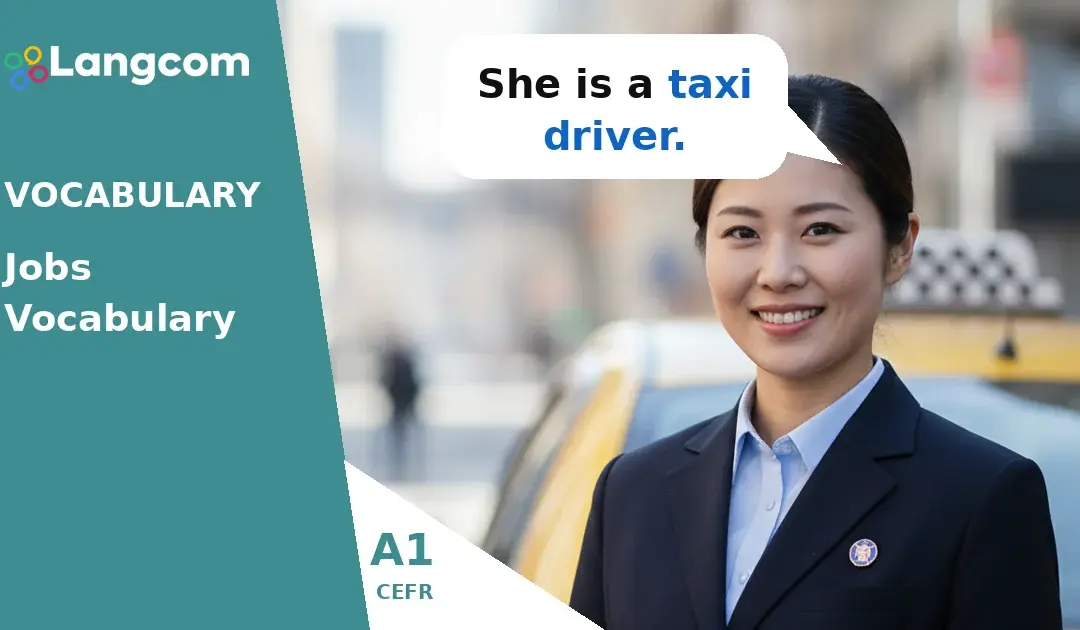
Learning job words helps you talk about what people do every day! In English, we use specific words to describe different jobs. For example, someone who helps customers in a shop is a shop assistant. If you drive a car for money, you are a taxi driver. People who...
par Raúl | Sep 9, 2026 | Pre A1 Starters
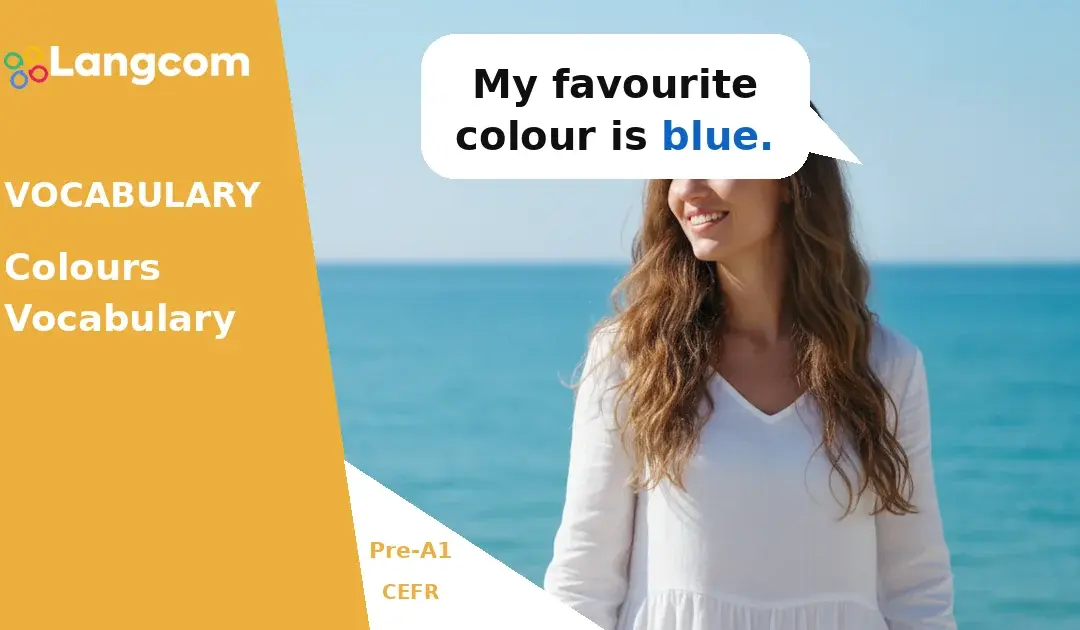
Colours are words we use to describe how things look. Learning basic English colours like red, blue, and yellow is important for describing objects, clothes, and many other things around us. Knowing these words helps you communicate clearly and understand descriptions...
par Raúl | Sep 9, 2026 | B2 First (FCE)
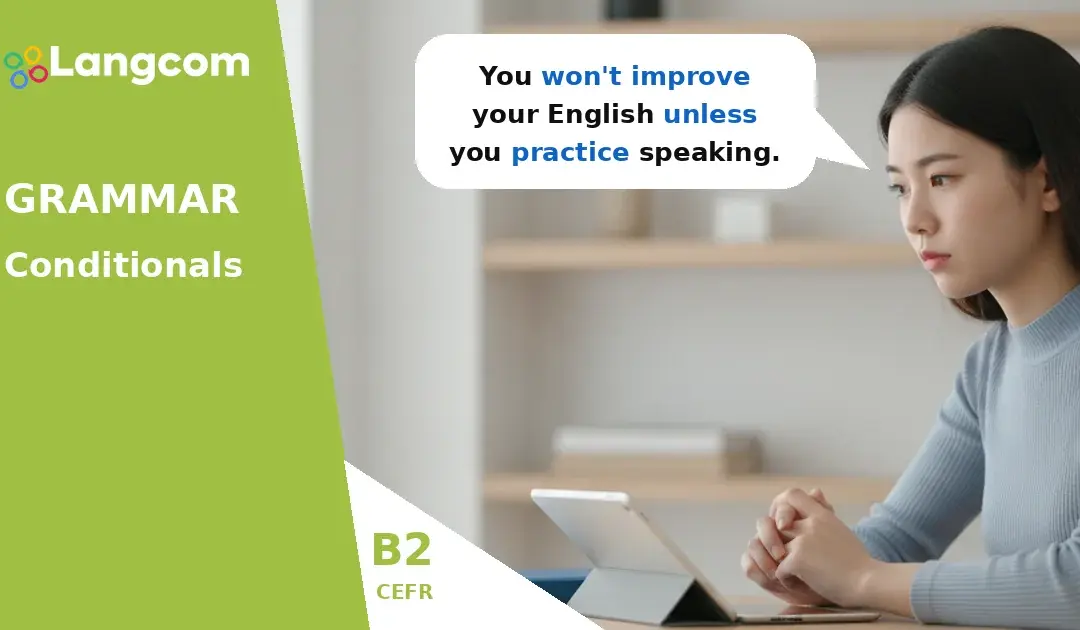
‘Unless’ is a conjunction that means ‘if not’. It introduces a condition that, if not met, will lead to a specific result. Think of it as saying ‘if this doesn’t happen’ or ‘if this isn’t true’. The most...
par Raúl | Sep 9, 2026 | B2 First (FCE)
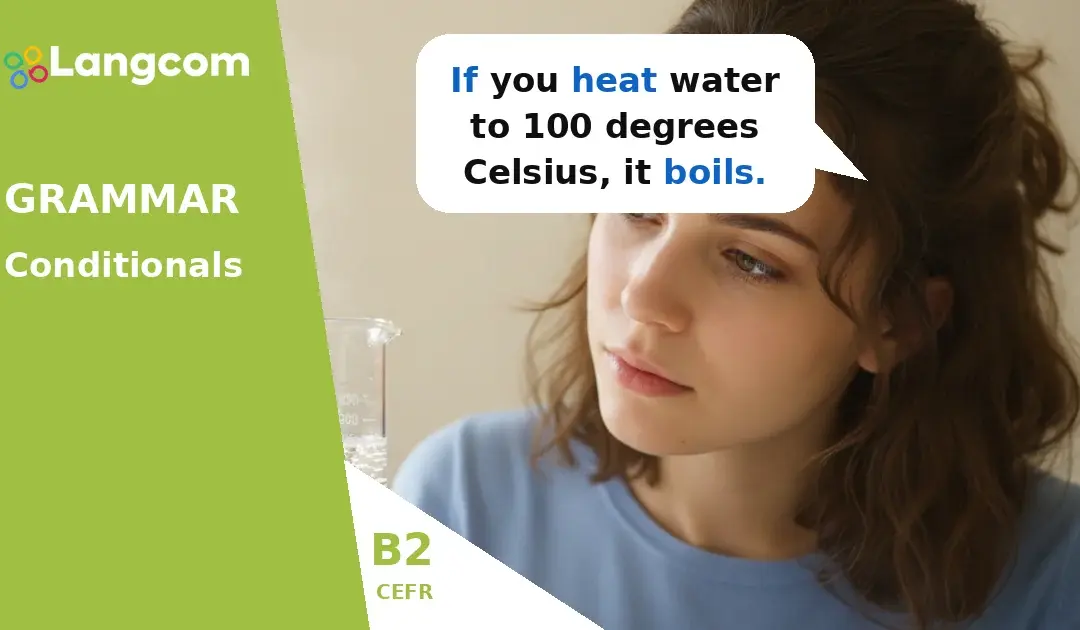
Conditional sentences help us talk about possible events and their results. They connect a condition (what must happen) with an outcome (what will happen). In English, we use words like if and unless to form these sentences. There are four main types, each with a...
