par Raúl | Sep 21, 2026 | A1 : Anglais pour débutants – Enfants
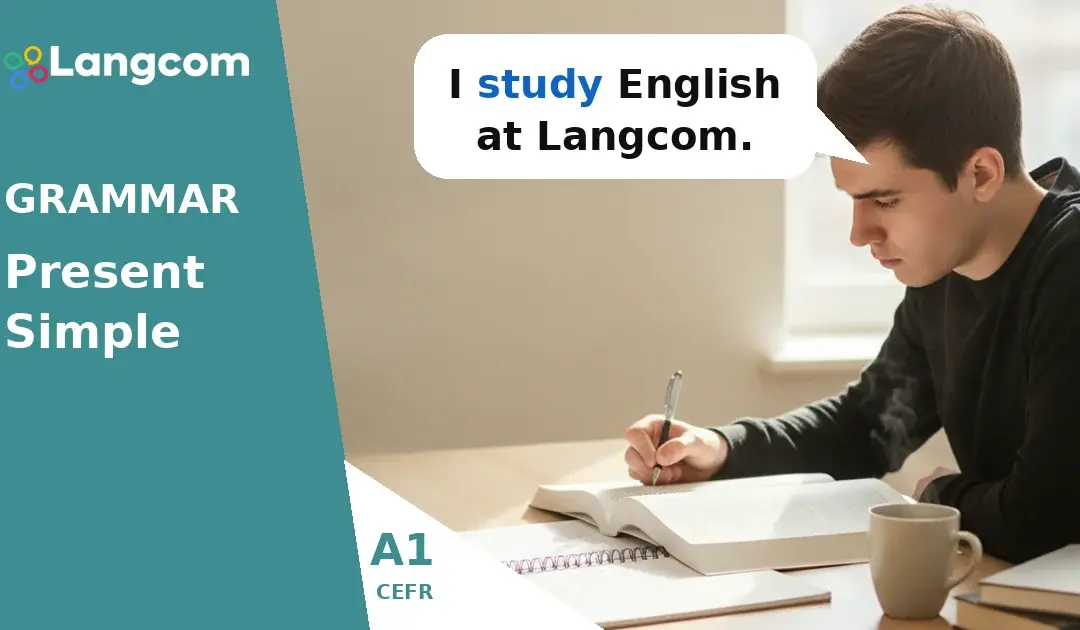
The Present Simple tense helps you talk about things that happen regularly, are always true, or are facts. It’s essential for describing your daily life, habits, and general truths in English. For most subjects (I, you, we, they), you use the base form of the...
par Raúl | Sep 21, 2026 | A1 : Anglais pour débutants – Enfants
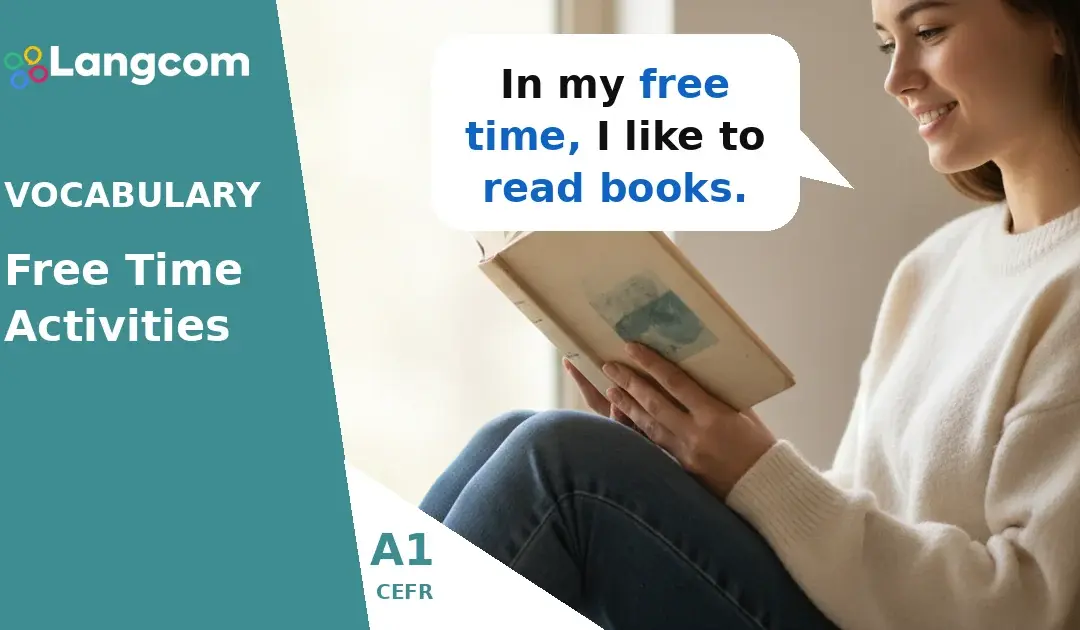
To talk about what you do for fun, you can use simple English phrases for free time activities. These are things you enjoy doing when you are not working or studying. Learning these words helps you share your interests and understand others. For example, you can say I...
par Raúl | Sep 21, 2026 | B2 First (FCE)
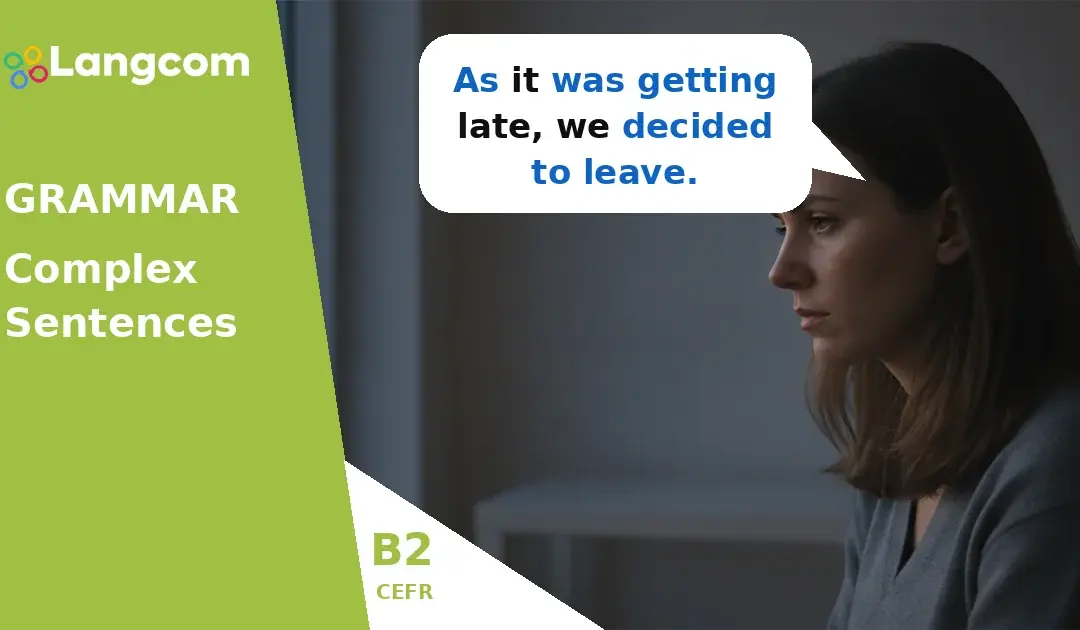
‘Fronting’ is a powerful technique in English that involves placing a part of a sentence that usually comes later at the beginning. This method creates more sophisticated and natural-sounding complex sentences. It helps to emphasize information, improve...

par Raúl | Sep 21, 2026 | B2 First (FCE)
Some English verbs can be followed by both a gerund (-ing form) and an infinitive (to + verb), but the meaning changes completely. This is a common challenge for B2 English learners, as choosing the wrong form can lead to misunderstandings. For example, I stopped...
par Raúl | Sep 21, 2026 | B2 First (FCE)
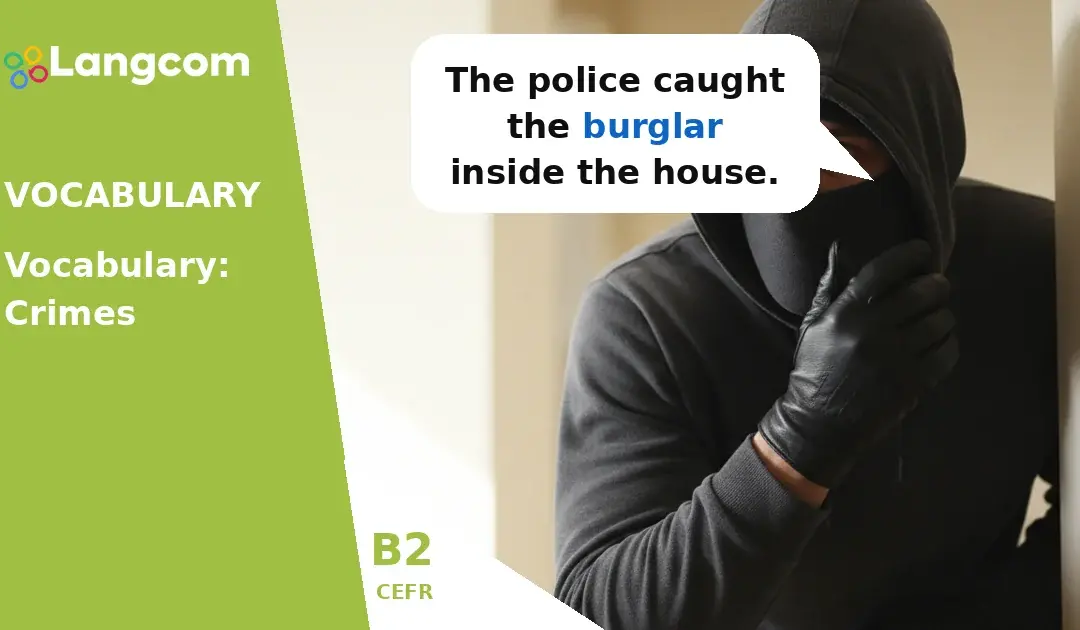
Understanding vocabulary related to crimes is crucial for B2 English learners, especially for discussing current events, reading news, and excelling in exams like the B2 First. This vocabulary helps you describe illegal actions, the people who commit them, and the...
