par Raúl | Sep 23, 2026 | C1 Advanced (CAE)
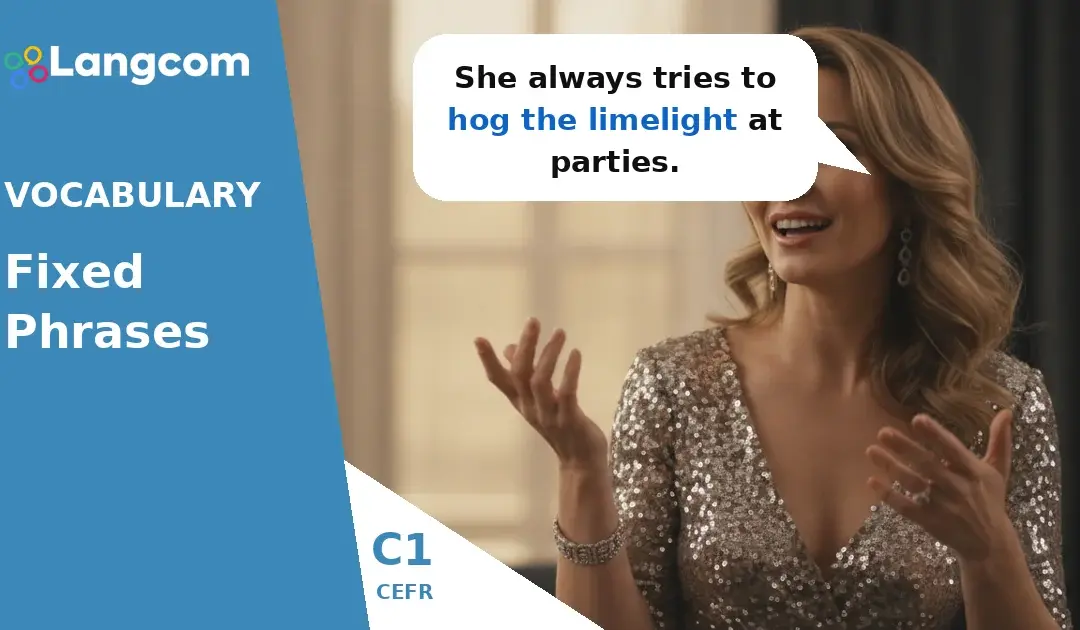
Fixed phrases are groups of words that always go together in a specific order and have a meaning that is often different from the individual words. Learning these phrases is essential for C1 English learners because they make your language sound much more natural and...
par Raúl | Sep 23, 2026 | C1 Advanced (CAE)
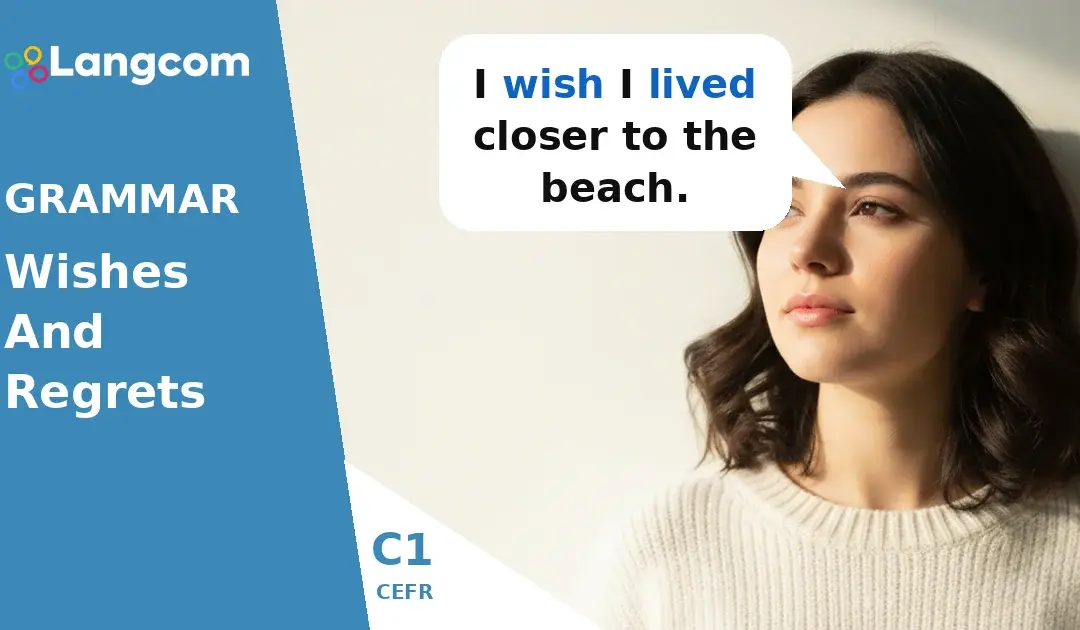
To express wishes and regrets in English at a C1 level, you primarily use structures with wish or if only, followed by a past tense verb. This allows you to talk about situations you want to be different in the present, complain about current habits, or express regret...
par Raúl | Sep 23, 2026 | A1 : Anglais pour débutants – Enfants
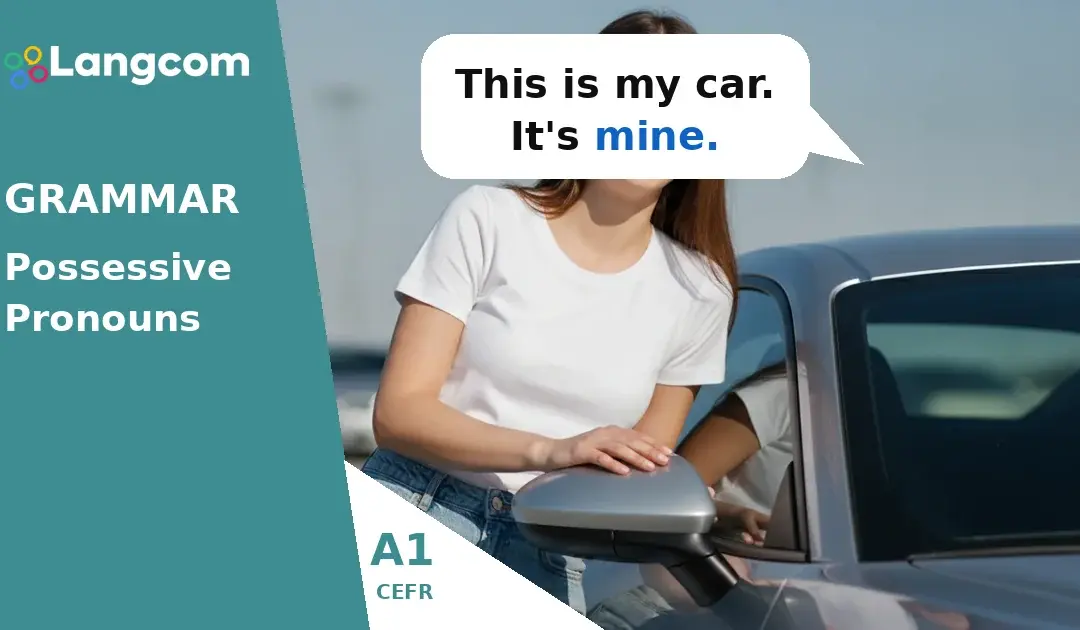
Possessive pronouns show who owns something without needing to say the noun again. They make sentences shorter and clearer. In English, the main possessive pronouns are mine, yours, his, hers, ours, and theirs. For example, instead of saying This is my book and then...
par Raúl | Sep 23, 2026 | A1 : Anglais pour débutants – Enfants
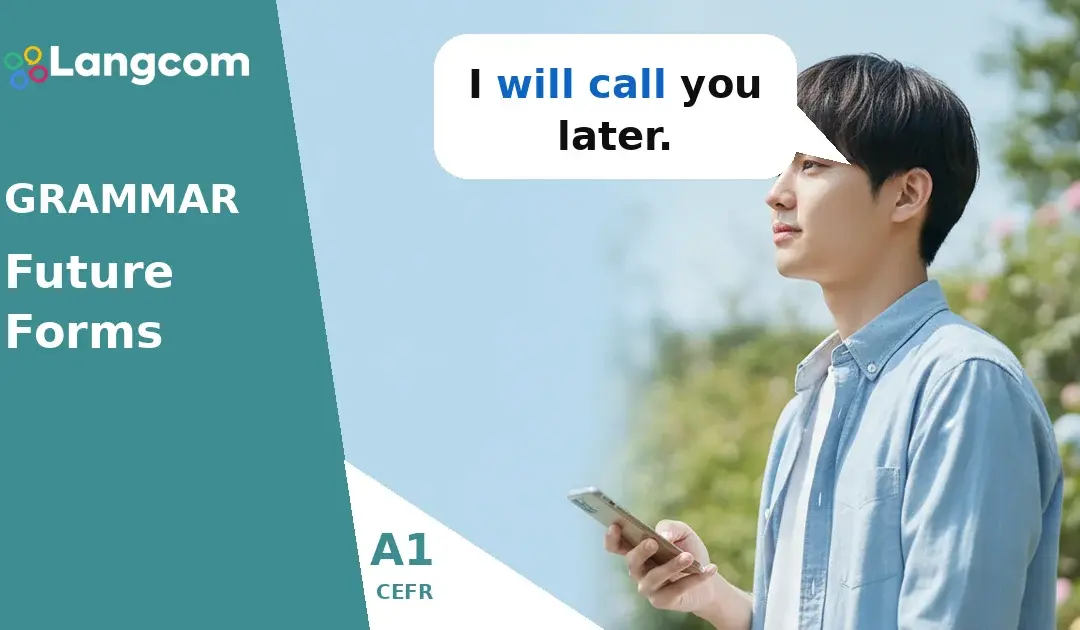
We use will to talk about the future. This means we talk about things that are not happening now and did not happen in the past. It is very useful for making simple predictions about what you think will happen. You can also use will for decisions you make right now,...
par Raúl | Sep 23, 2026 | A1 : Anglais pour débutants – Enfants
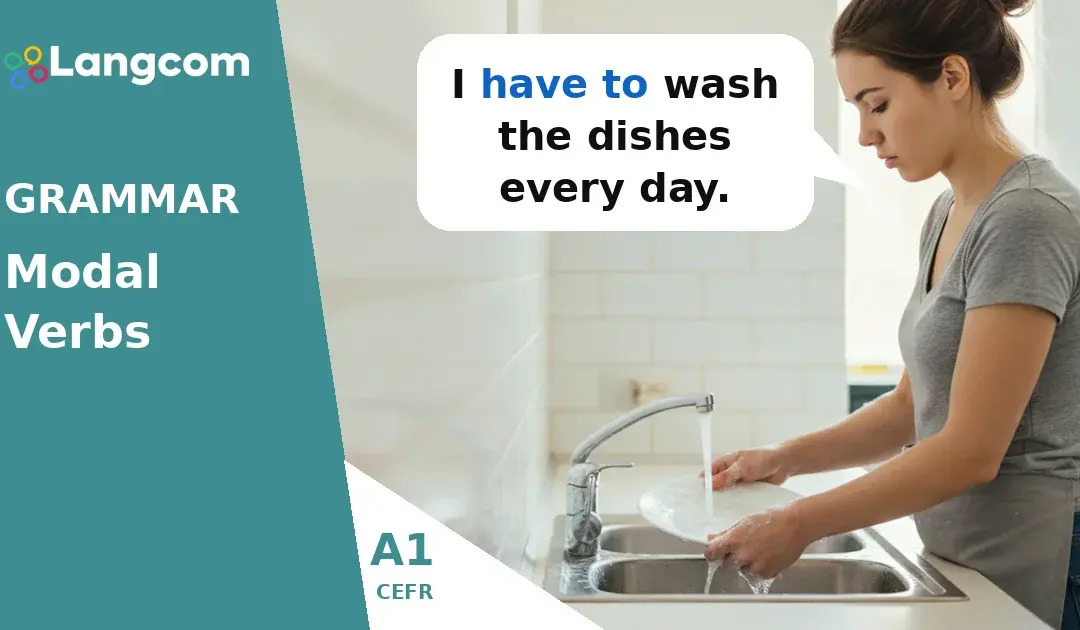
We use have to to talk about rules, obligations, or things that are necessary. It means something is required, like a chore, a school rule, or a work task. You cannot choose not to do it. For example, I have to go to school means school is mandatory for you. We use...
