
par Raúl | 3 août 2026 | B1 Anglais intermédiaire
The main difference between lend and borrow is the direction of the money. When you lend money, you *give* it to someone for a short time, expecting it back. For example, I can lend you £10 if you need it. The person who lends is the giver. When you borrow money, you...
par Raúl | 3 août 2026 | A2 Key (KET)
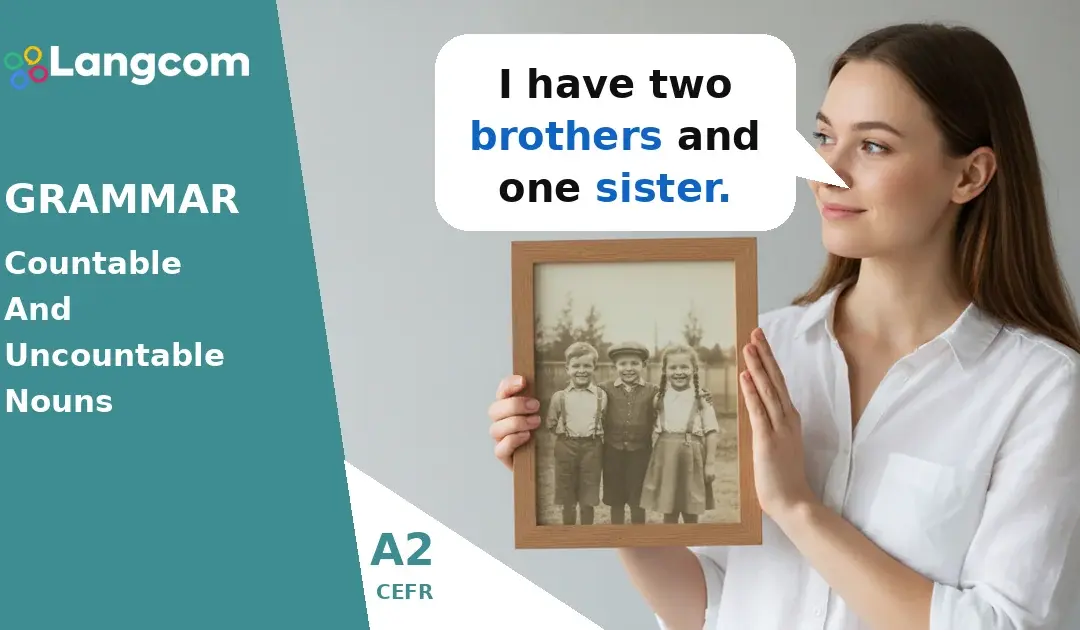
In English, nouns are either countable or uncountable, and this affects how we use them, especially when talking about quantity. Countable nouns refer to things we can count individually, like one apple, two apples. They have both singular and plural forms....
par Raúl | 3 août 2026 | A2 Key (KET)
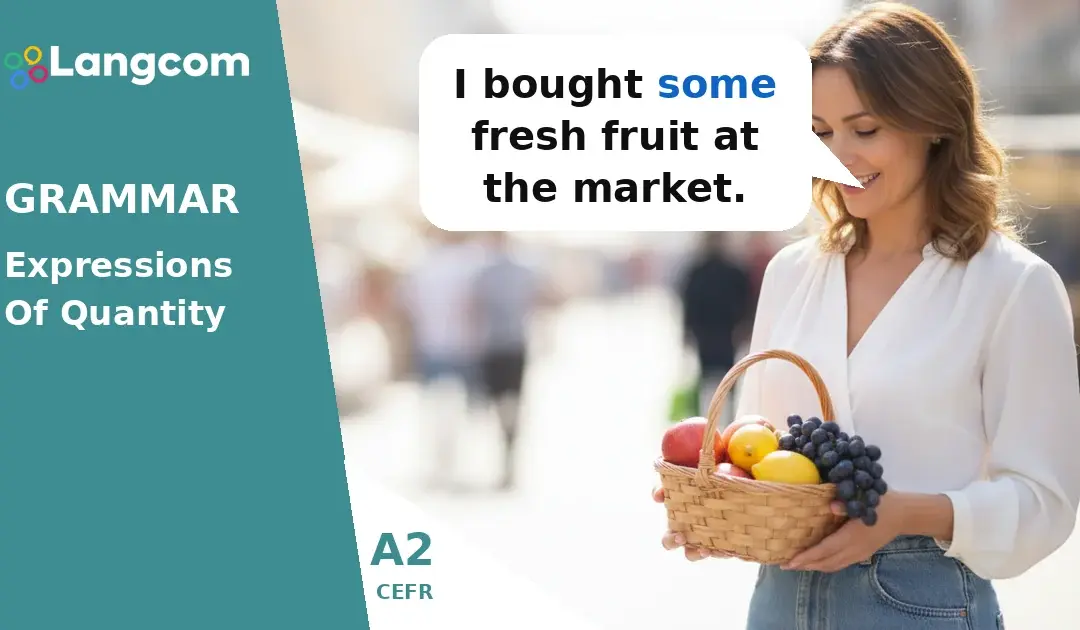
We use some in affirmative sentences and for offers or requests. We use any in negative sentences and most questions. Both some and any are used with plural countable nouns and uncountable nouns to talk about an unspecified quantity. They mean ‘a certain amount...

par Raúl | 3 août 2026 | A2 Key (KET)
Learning common English words for products helps you communicate easily when you go shopping. Knowing what different items are called, from fruit to sofas, makes your shopping experience much smoother. This vocabulary is useful in many places, like supermarkets,...
par Raúl | 3 août 2026 | A2 Key (KET)
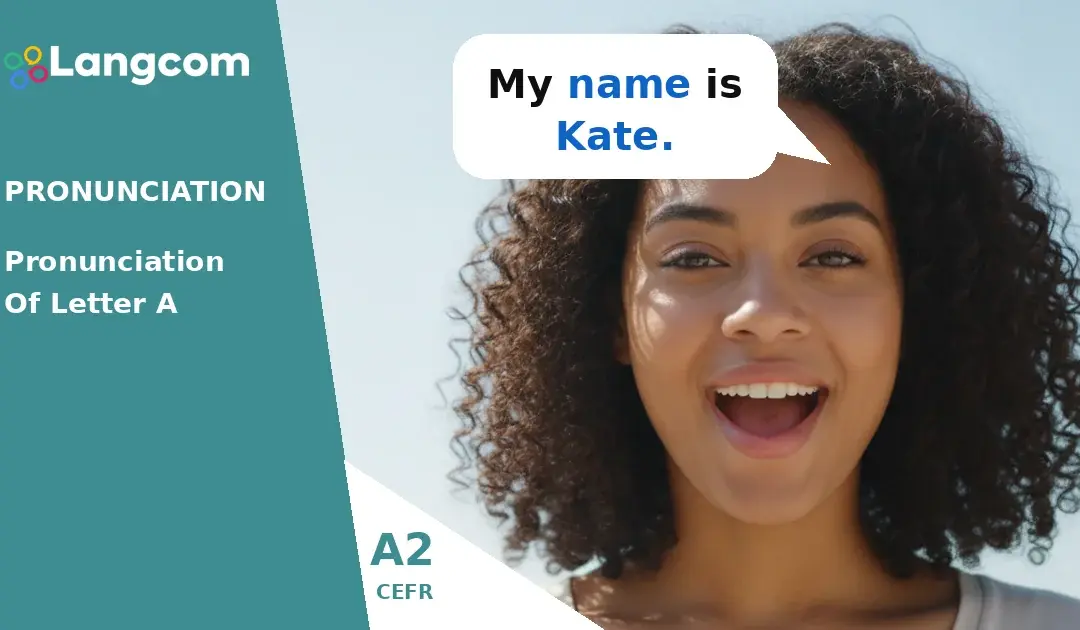
The letter A in English has three main sounds at A2 level: /eɪ/ (as in face), /æ/ (as in cat), and /ɑː/ (as in car). Understanding these different sounds is crucial for clear communication and improving your listening skills in English. Unlike Spanish, where vowels...
