
par Raúl | Juil 15, 2026 | Anglais pour enfants : niveau pré-A1 (débutants)
Learning English numbers 0-12 is the first step to speaking English confidently. These basic numbers are essential for everyday communication, like telling time, giving your phone number, or talking about ages. You will use them constantly! The numbers are: zero (0),...

par Raúl | Juil 15, 2026 | A1 Anglais pour débutants
To ask questions about past events in English, we usually use the auxiliary verb did with the base form of the main verb. This structure helps you ask about actions that finished in the past. For example, if you want to know about someone’s holiday, you might...
par Raúl | Juil 15, 2026 | A1 Anglais pour débutants
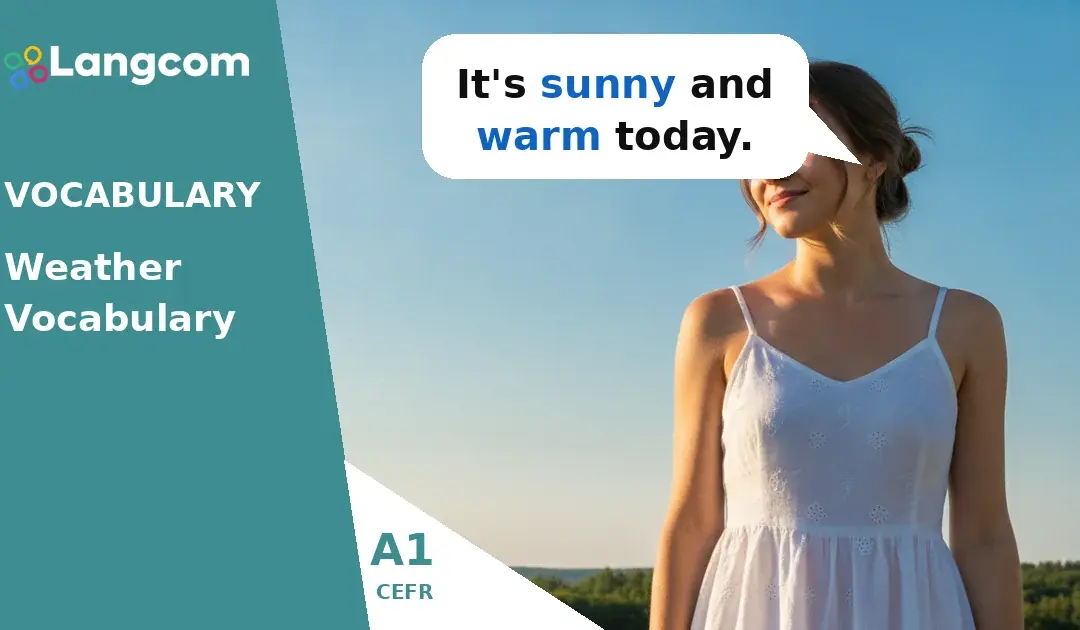
To talk about the weather in English, you often use the verb to be and an adjective. For example, you say It’s sunny or It’s cold. This lesson will help you learn essential words to describe different types of weather, like sunny, rainy, cloudy, hot, and...
par Raúl | Juil 15, 2026 | A1 Anglais pour débutants
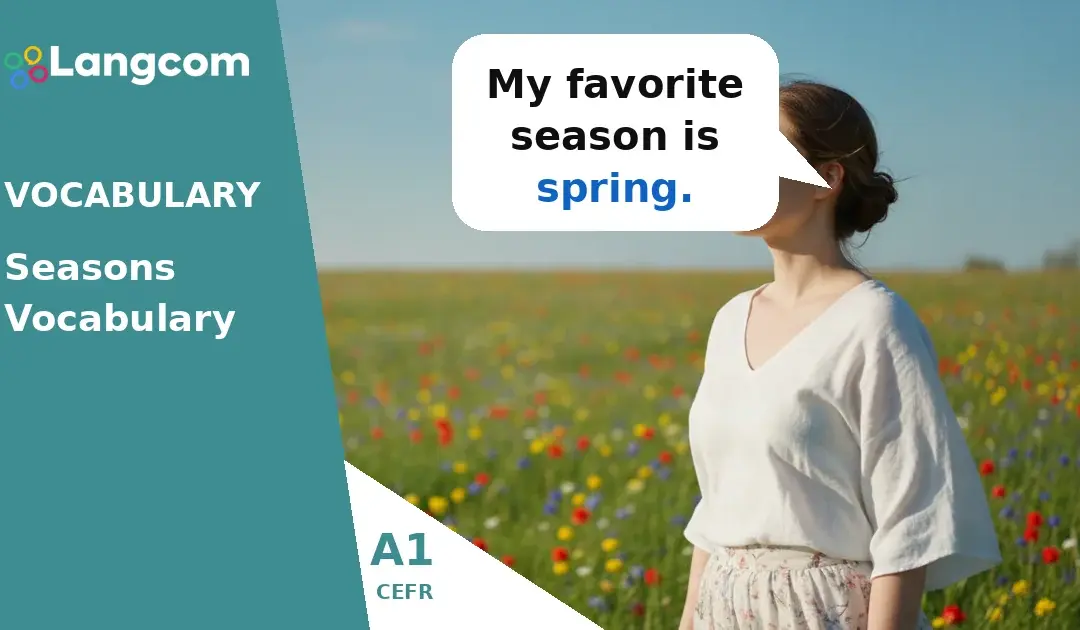
The four main seasons in English are spring, summer, autumn (or fall), and winter. Each season brings different weather and changes in nature. Learning these words helps you talk about the weather, your favorite time of year, and daily activities. For example, you can...

par Raúl | Juil 14, 2026 | A1 Anglais pour débutants
To talk about actions that *did not happen* in the past, we use the Past Simple Negative form. This is very common in English when you want to say something didn’t occur at a specific time before now. The structure is simple: you use did not (or the short form...
