by Raúl | Sep 6, 2026 | B2 Upper Intermediate English
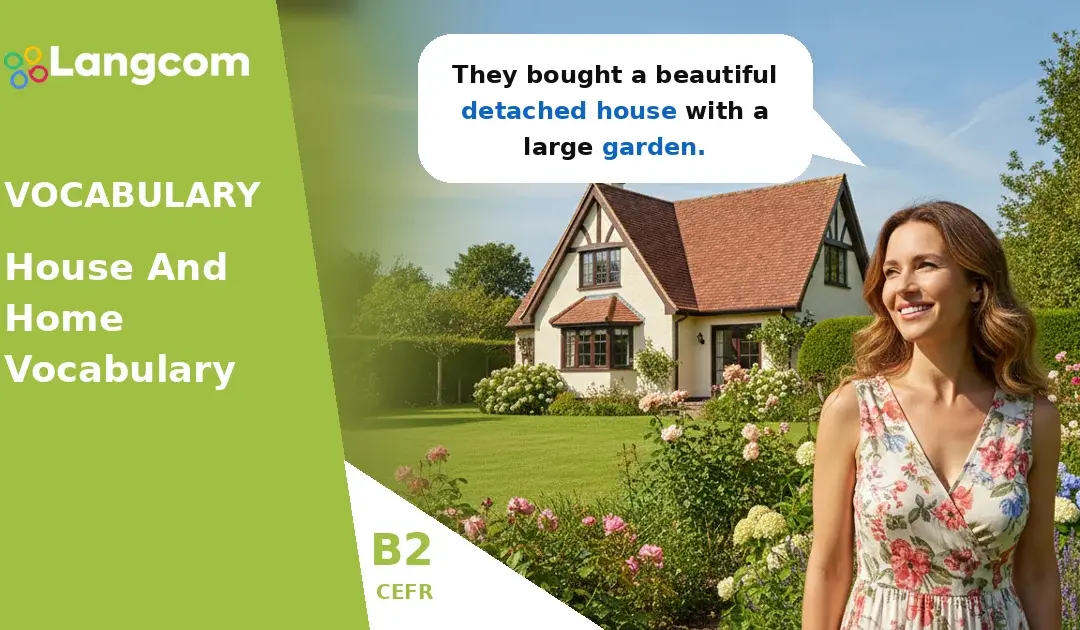
Understanding specific vocabulary for houses and homes is crucial for B2 English learners to describe living situations accurately. English has many words to distinguish between different types of dwellings and parts of a property. For example, a detached house stands...

by Raúl | Sep 6, 2026 | B2 Upper Intermediate English
The causative form have/get + object + past participle is used when you arrange for someone else to do something for you, rather than doing it yourself. This structure is essential for expressing services, repairs, or tasks completed by others. For example, instead of...

by Raúl | Sep 6, 2026 | B2 Upper Intermediate English
To discuss your favourite shows and movies like a native speaker, you need specific English vocabulary for film and TV. This B2 vocabulary will help you talk about the structure of TV programmes, the people who create them, and the actions involved in making and...
by Raúl | Sep 6, 2026 | B2 Upper Intermediate English
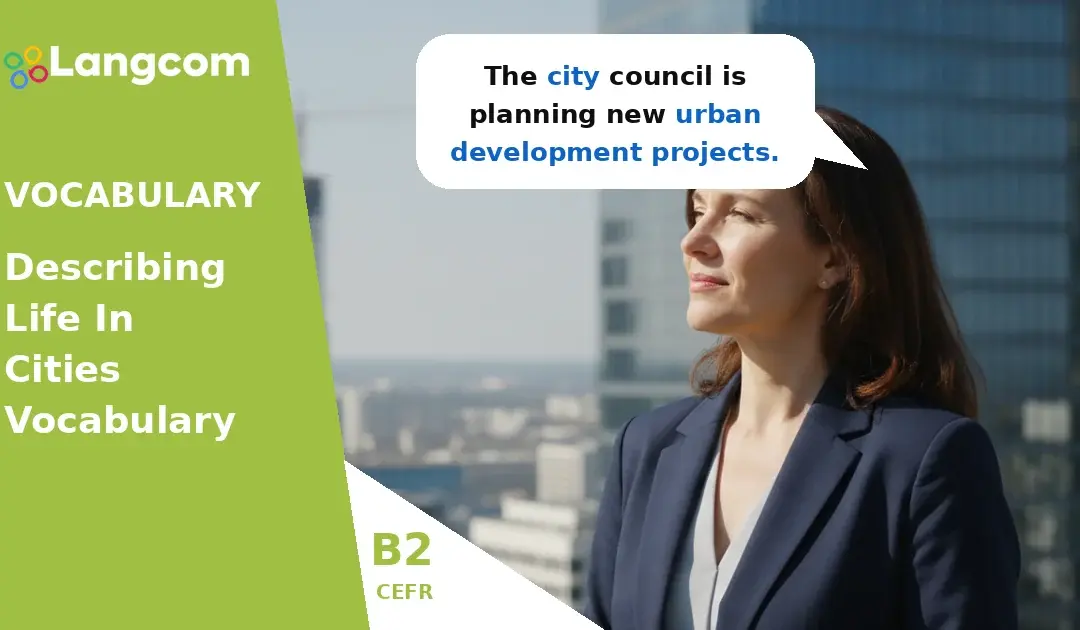
To describe life in cities effectively at B2 level, focus on key vocabulary related to urban structure, daily challenges, and environmental aspects. Words like urban development, residential areas, and public transport help explain how cities are built and how people...

by Raúl | Sep 6, 2026 | B2 Upper Intermediate English
Too, enough, so, and such are essential degree modifiers in English that help you express intensity, quantity, or sufficiency. Too indicates an excess (more than necessary or desired), often with a negative implication, as in It’s too cold. Enough means...
