por Raúl | set 6, 2026 | C1 Advanced Inglês
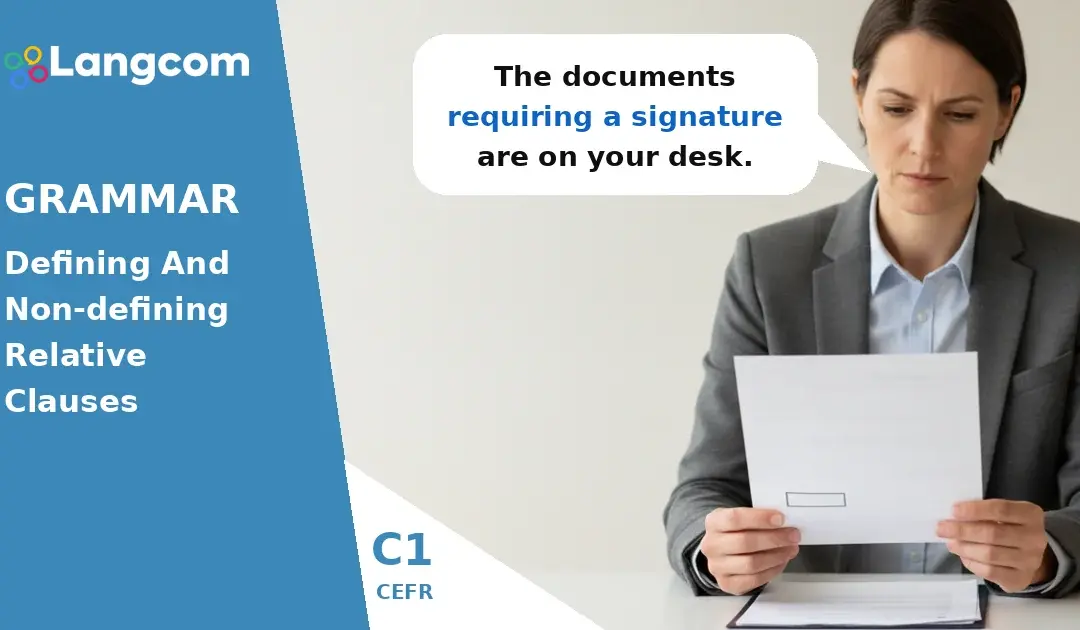
Reduced relative clauses make your English more concise and sophisticated by shortening relative clauses. They are a common feature of advanced English, especially in formal writing and academic speech. This grammatical structure allows you to condense information,...
por Raúl | set 6, 2026 | C1 Advanced Inglês
To discuss how things affect each other in English at a C1 level, you need a rich vocabulary to describe causes, effects, and the connections between them. Words like impact, implications, source, force, consequence, influence, trigger, stem from, result in, and...
por Raúl | set 6, 2026 | C1 Advanced Inglês
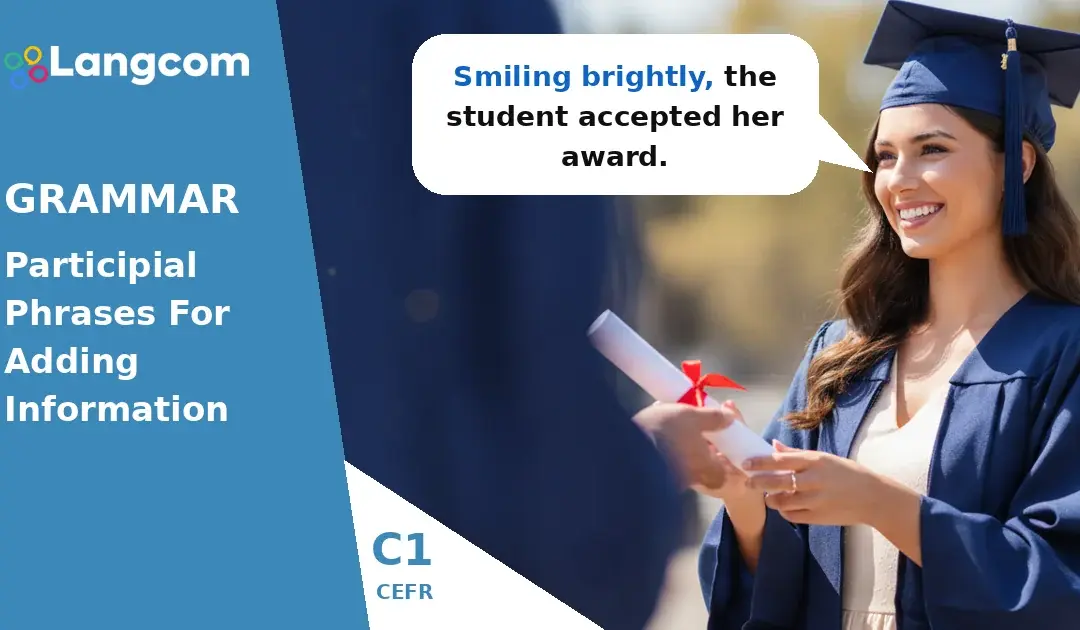
Participial phrases in initial position add sophisticated detail to your sentences, making your writing more concise and formal. These powerful grammatical structures, common in advanced English, begin a sentence with a participle form – either a present participle...
por Raúl | set 6, 2026 | Inglês intermediário superior B2
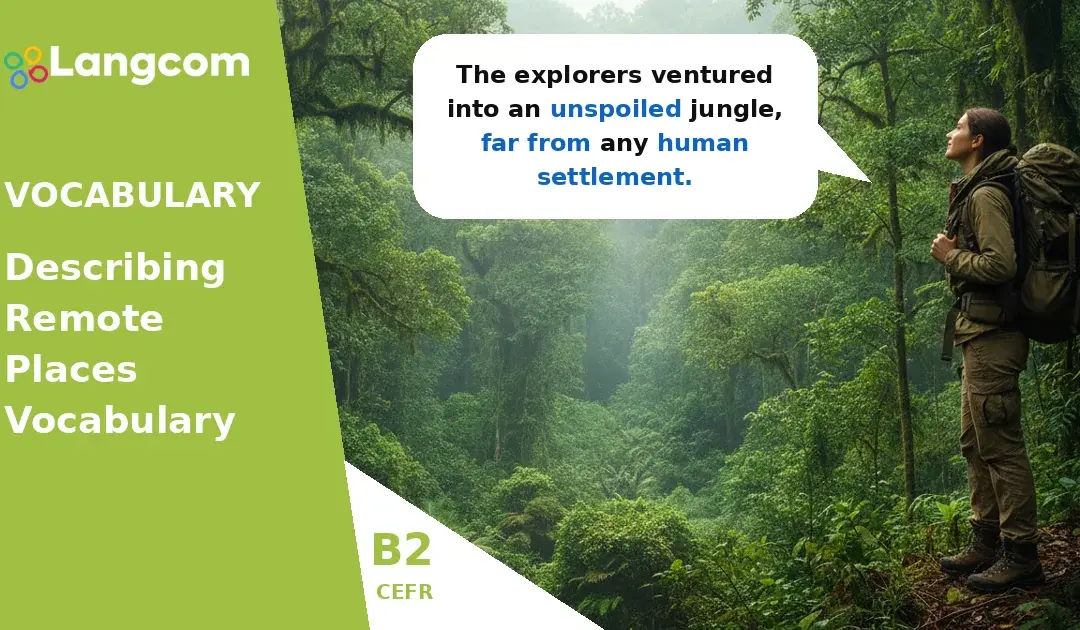
To describe remote places effectively in English, use specific adjectives that convey their unique characteristics, such as their size, natural state, or how welcoming they are. These words help you paint a vivid picture for your listener or reader, whether you are...
por Raúl | set 6, 2026 | C1 Advanced Inglês
In American English, when the letter ‘t’ appears between two vowel sounds, it often changes its pronunciation to a quick, soft ‘d’ sound. This special sound is called the flap T or tapped T. It’s crucial for C1 learners to understand this...
por Raúl | set 6, 2026 | A0 Inglês para Crianças – Nível Inicial
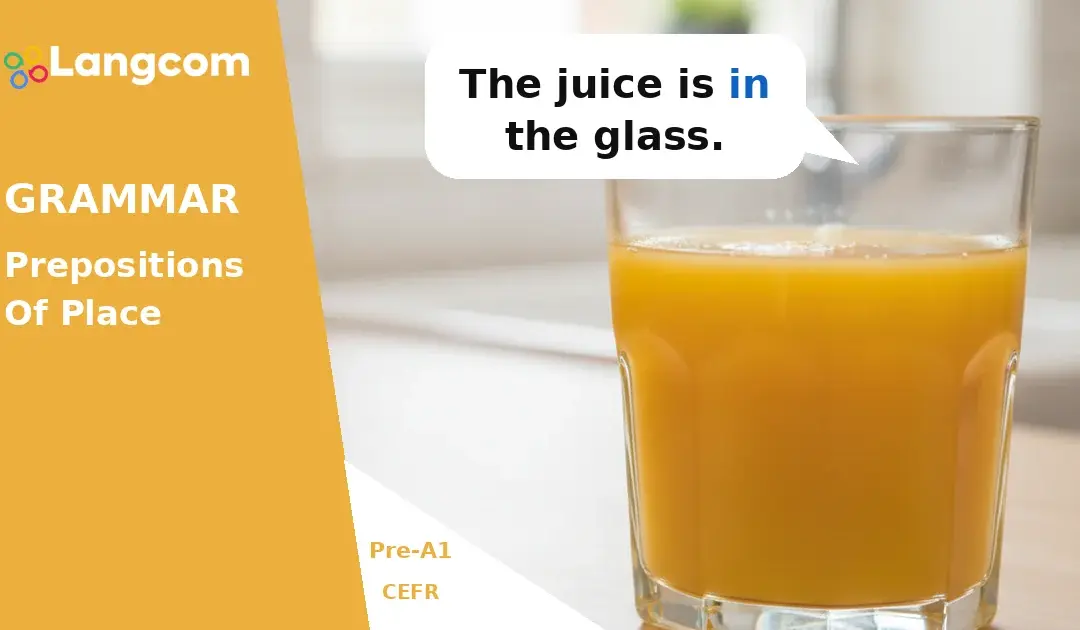
English uses small words called prepositions to tell us where things are. For example, in, on, and under are common prepositions of place. We use in when something is inside a space or container, like The book is in the bag. This means the book is *inside* the bag. We...
