por Raúl | set 23, 2026 | A1 Inglês para Crianças – Nível Iniciante
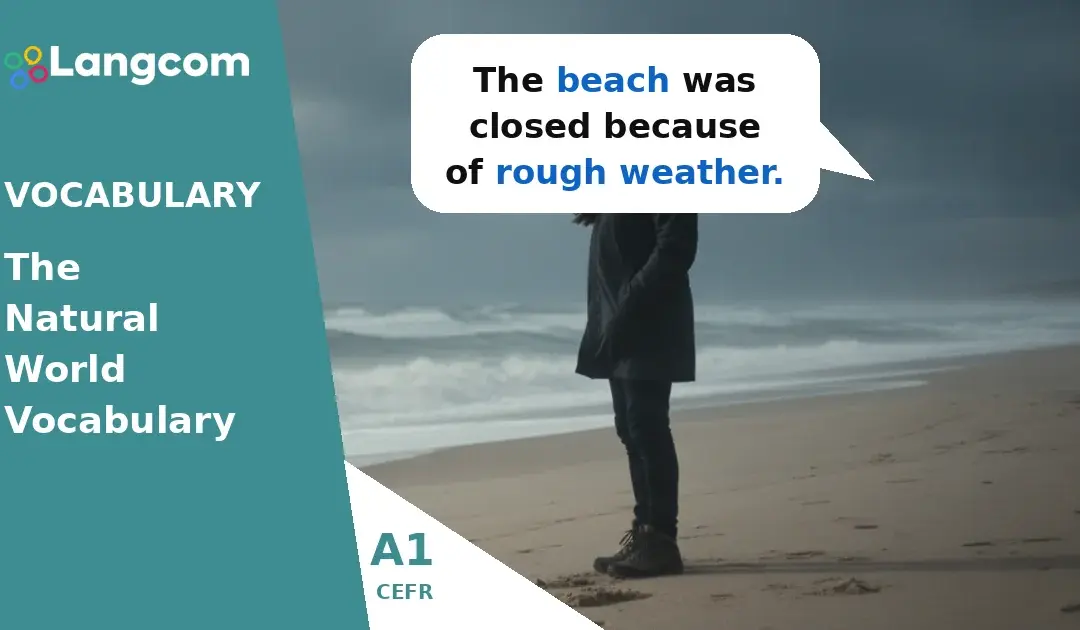
Collocations are words that often go together naturally in English. Learning these fixed pairs or groups of words, especially for the natural world, helps you speak more fluently and sound more like a native speaker. For example, we say rough weather, not strong...
por Raúl | set 23, 2026 | A1 Inglês para Crianças – Nível Iniciante
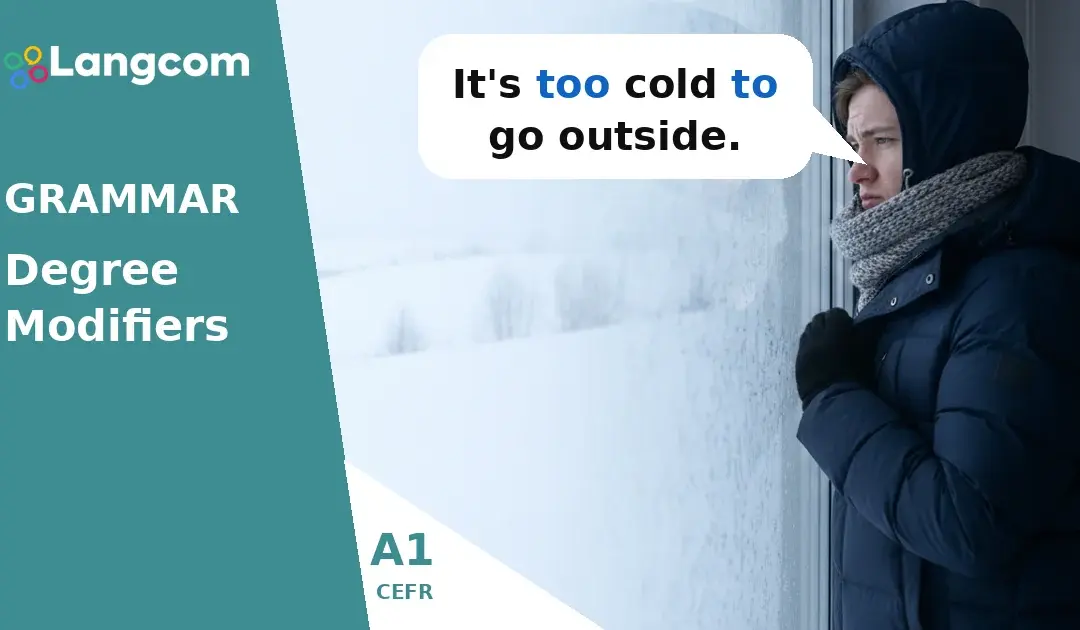
Too and enough are important words that help us talk about the *degree* or *amount* of something. They tell us if something is more or less than what we need or want. We use too to mean “more than necessary” or “more than wanted,” often with a...

por Raúl | set 22, 2026 | A1 Inglês para Crianças – Nível Iniciante
To describe places in English, you use adjectives like big, small, clean, or dirty. Adjectives are words that tell us more about nouns (people, places, or things). They help you paint a picture with words, making your descriptions clear and interesting. For example,...
por Raúl | set 22, 2026 | A1 Inglês para Crianças – Nível Iniciante
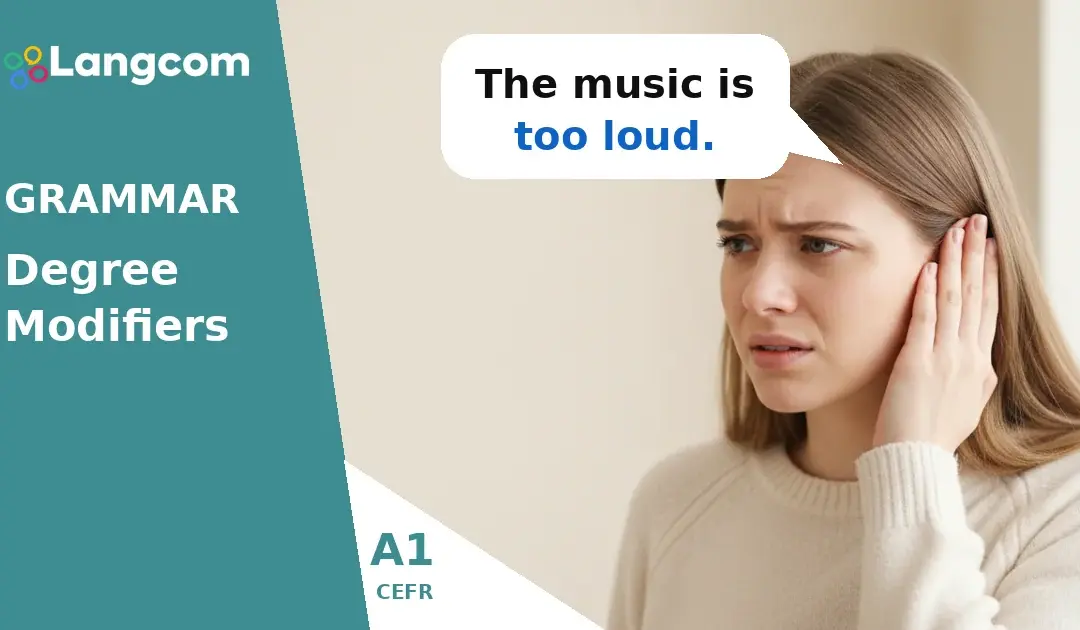
Too means ‘more than needed or wanted’, and enough means ‘sufficient’ or ‘as much as needed’. We use too to say something is excessive, like It’s too cold! This means it’s colder than you want. Too comes *before*...
por Raúl | set 22, 2026 | C1 Advanced (CAE)
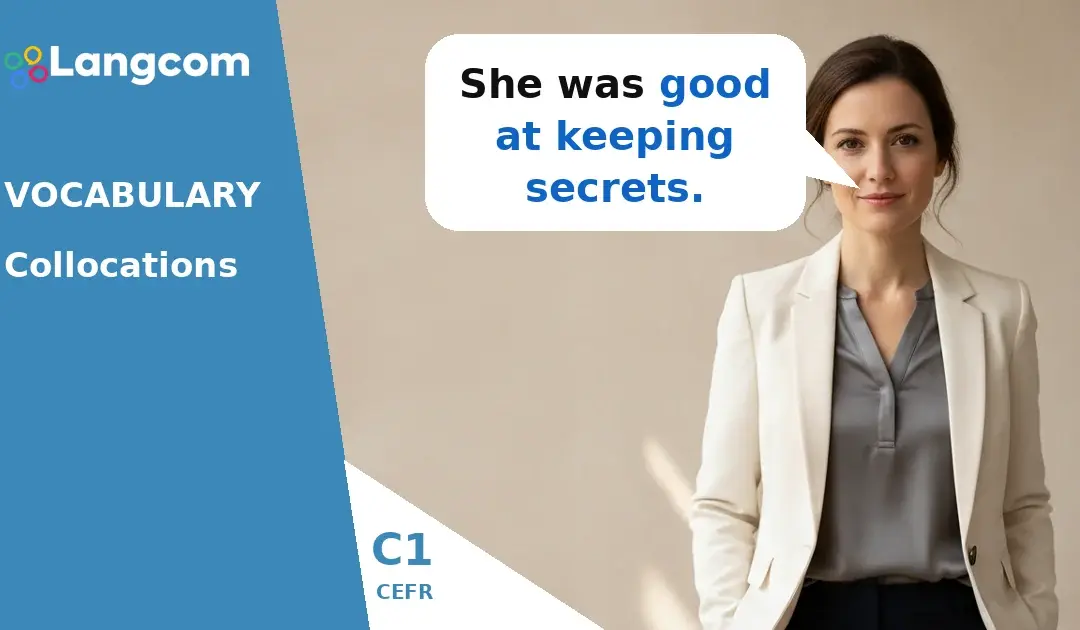
Collocations are pairs or groups of words that naturally go together in English. Mastering collocations is crucial for C1 learners to sound natural and fluent, moving beyond simply knowing individual words. For example, we say make a decision, not do a decision. These...

por Raúl | set 22, 2026 | A1 Inglês para Crianças – Nível Iniciante
Learning English words for places in town helps you talk about your daily life and understand directions. Imagine you are traveling or meeting new friends; knowing these words makes communication much easier. For example, you can say “I go to the shopping centre” or...
