por Raúl | set 21, 2026 | A1 Inglês para Crianças – Nível Iniciante
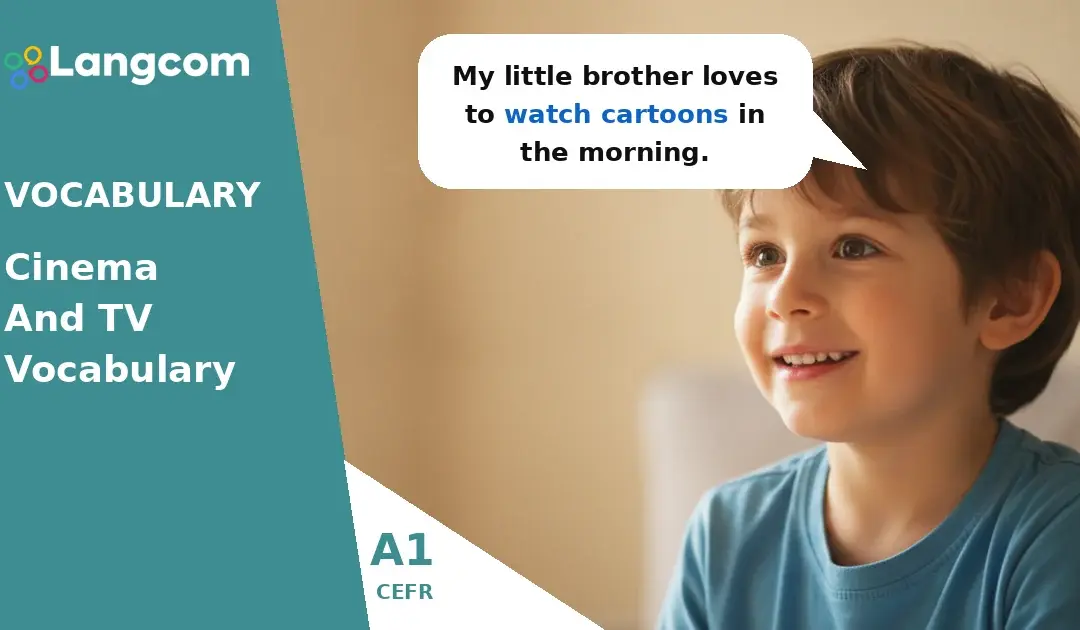
Learning English words for TV programmes helps you talk about your hobbies and understand daily conversations. When you watch TV, you see many different types of shows. Knowing the names for these shows in English makes it easy to share what you like with friends or...
por Raúl | set 21, 2026 | A1 Inglês para Crianças – Nível Iniciante
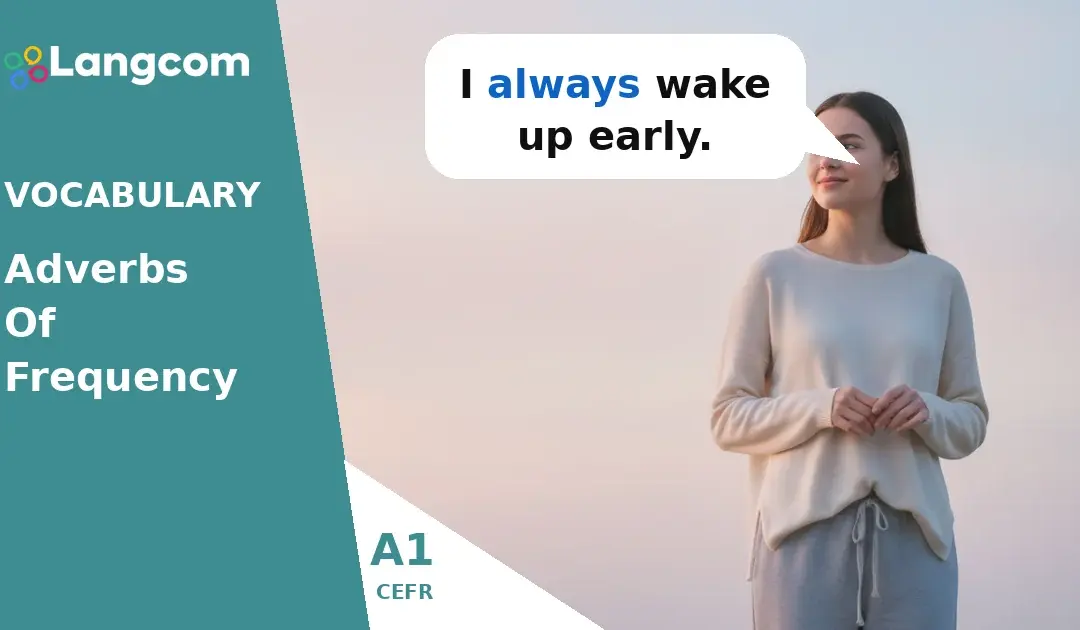
Adverbs of frequency tell us how often an action happens. These important words help you describe your daily routines and habits in English. Common adverbs of frequency include always, usually, often, sometimes, and never. They are essential for talking about how...

por Raúl | set 21, 2026 | A1 Inglês para Crianças – Nível Iniciante
Adverbs of frequency tell us how often something happens. We use words like always, usually, often, sometimes, and never to talk about habits and routines. These words are important for describing your daily life. For example, I always drink coffee in the morning...
por Raúl | set 21, 2026 | A1 Inglês para Crianças – Nível Iniciante
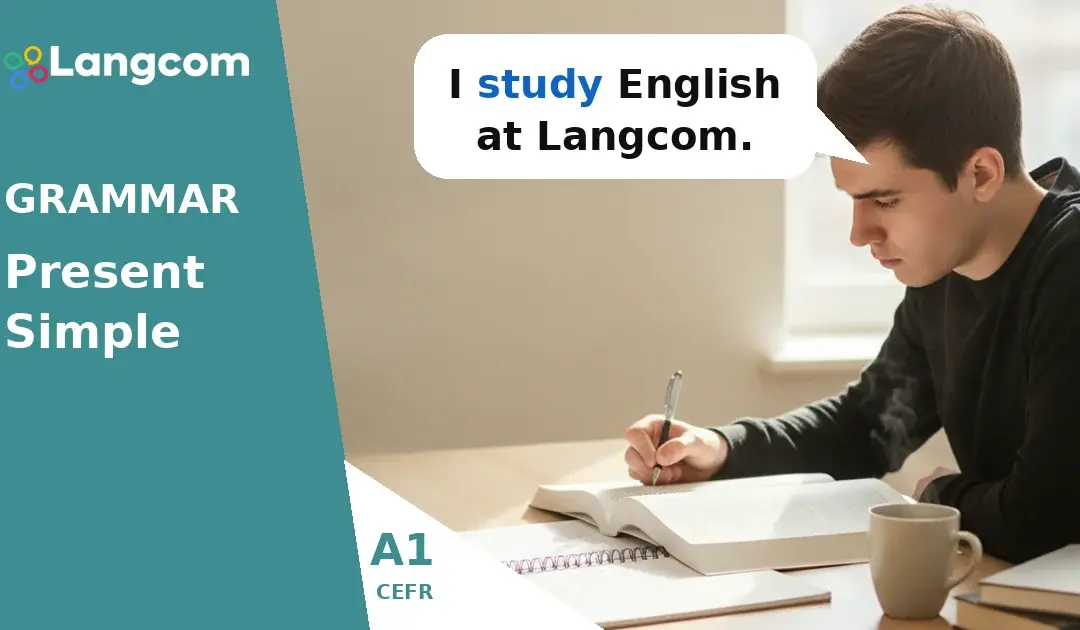
The Present Simple tense helps you talk about things that happen regularly, are always true, or are facts. It’s essential for describing your daily life, habits, and general truths in English. For most subjects (I, you, we, they), you use the base form of the...
por Raúl | set 21, 2026 | A1 Inglês para Crianças – Nível Iniciante
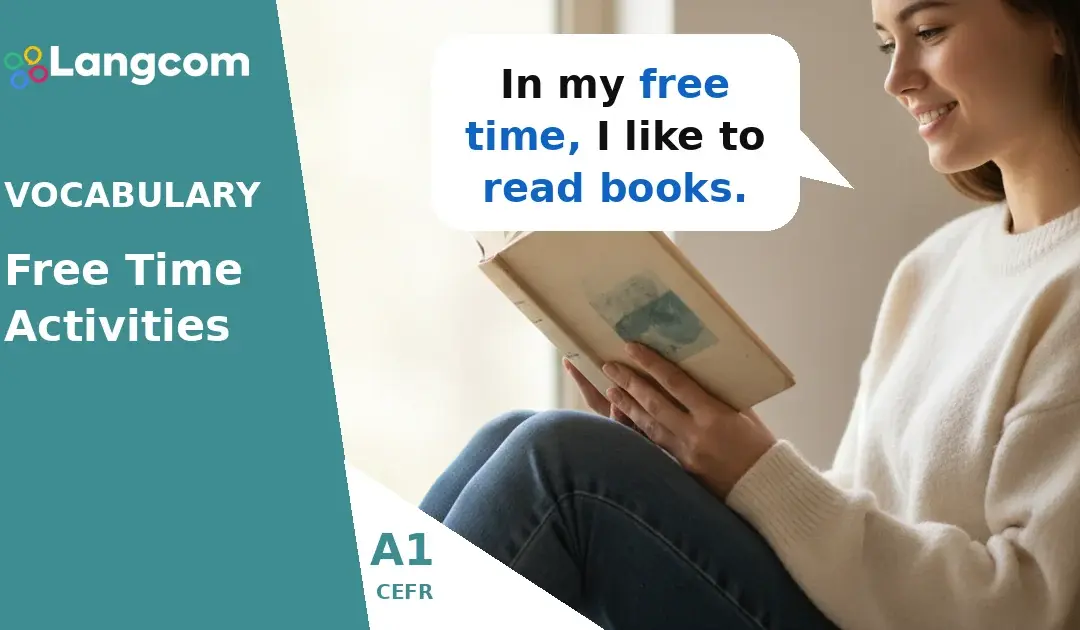
To talk about what you do for fun, you can use simple English phrases for free time activities. These are things you enjoy doing when you are not working or studying. Learning these words helps you share your interests and understand others. For example, you can say I...
por Raúl | set 8, 2026 | Inglês para crianças – Nível Pré-A1 (Iniciante)
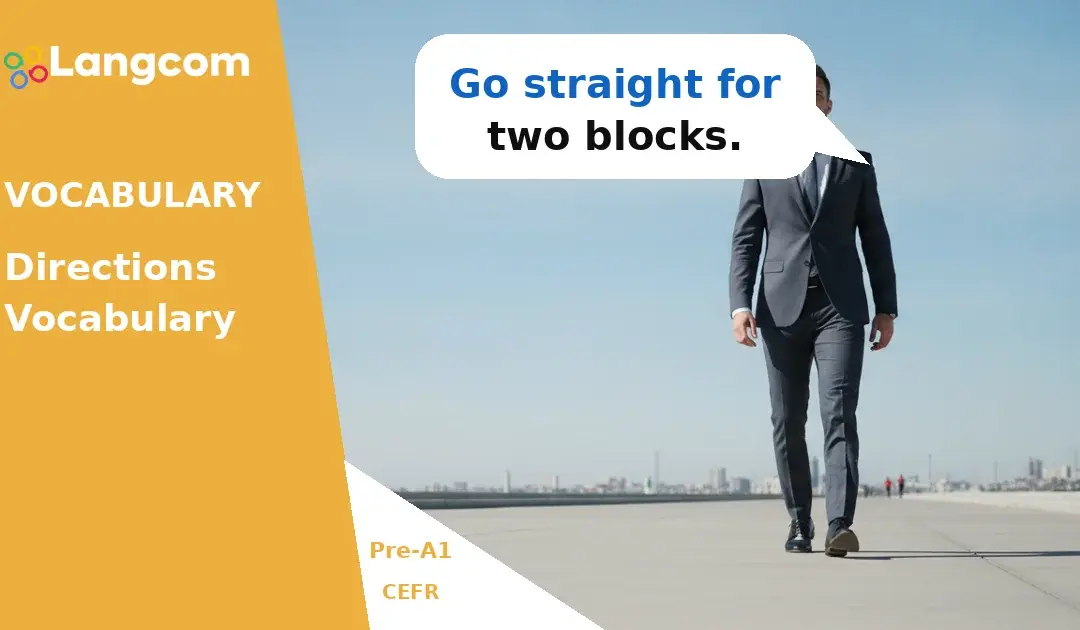
Learning basic English words for directions helps you understand and give simple instructions when you travel. You will learn important verbs like turn left, turn right, and go straight. These verbs tell people how to move. You will also learn about important places...
