por Raúl | set 16, 2026 | Inglês intermediário B1
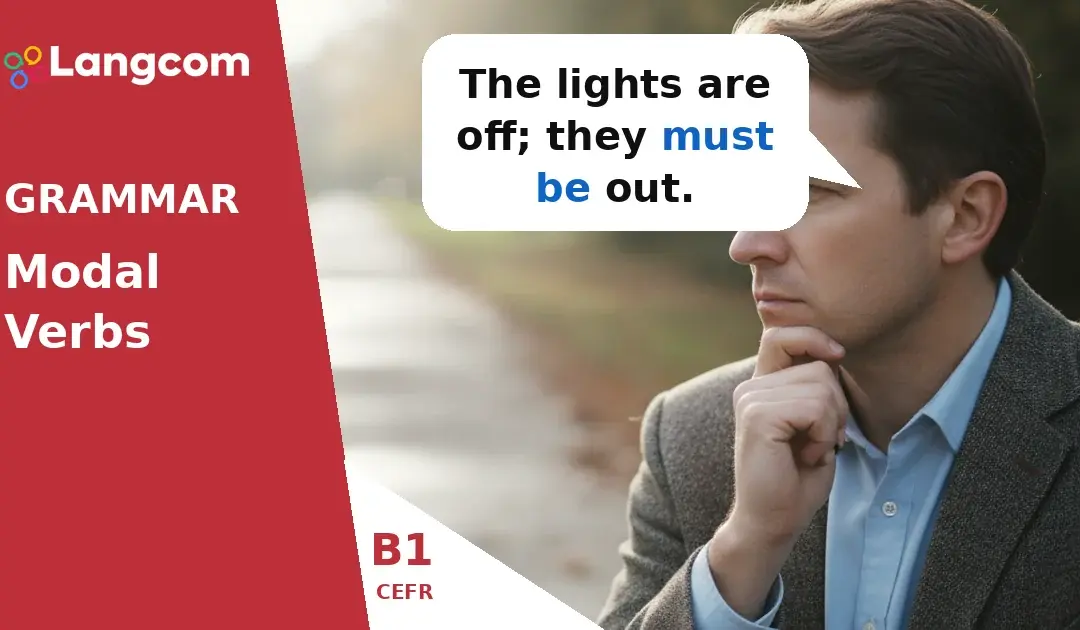
Modals of deduction help us make educated guesses or conclusions about situations when we are not 100% sure. They allow you to express how certain you are about something happening now or in the future. We use must when we are almost certain something is true, based...

por Raúl | set 16, 2026 | Inglês intermediário B1
To sound interested in English, you need to use varied intonation. This means your voice goes up and down, changing its pitch. When you speak with varied intonation, you show emotion and engagement. Your listener understands that you are paying attention and care...

por Raúl | set 16, 2026 | Inglês intermediário B1
Comparatives and superlatives help us describe differences and extremes between people, places, things, or actions. We use comparatives to compare two items, showing which one has more or less of a quality. For example, “This car is faster than that one.”...
por Raúl | set 15, 2026 | Inglês intermediário B1
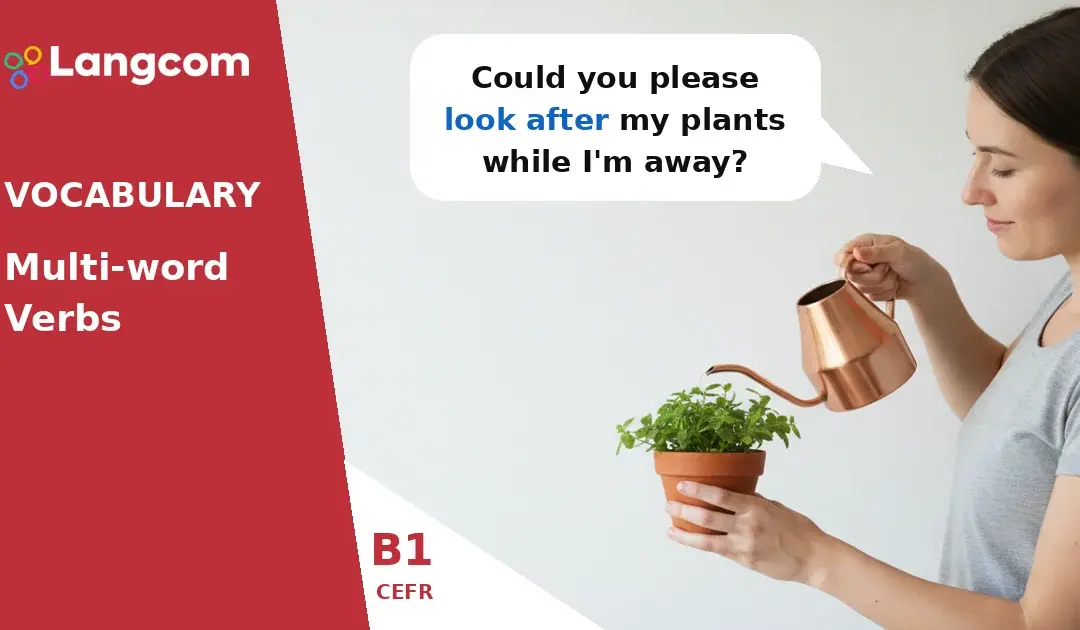
Multi-word verbs are combinations of a verb and one or more small words (like prepositions or adverbs) that create a completely new meaning. These verbs are extremely common in English and often have a meaning that is different from the individual words alone. For...

por Raúl | set 15, 2026 | Inglês intermediário B1
Compound nouns combine two or more words to create a new word with a single meaning. These words act as one noun, even if they are written as two separate words or with a hyphen. For example, sun and flower combine to form sunflower, which is a single type of plant....
por Raúl | set 15, 2026 | Inglês intermediário B1
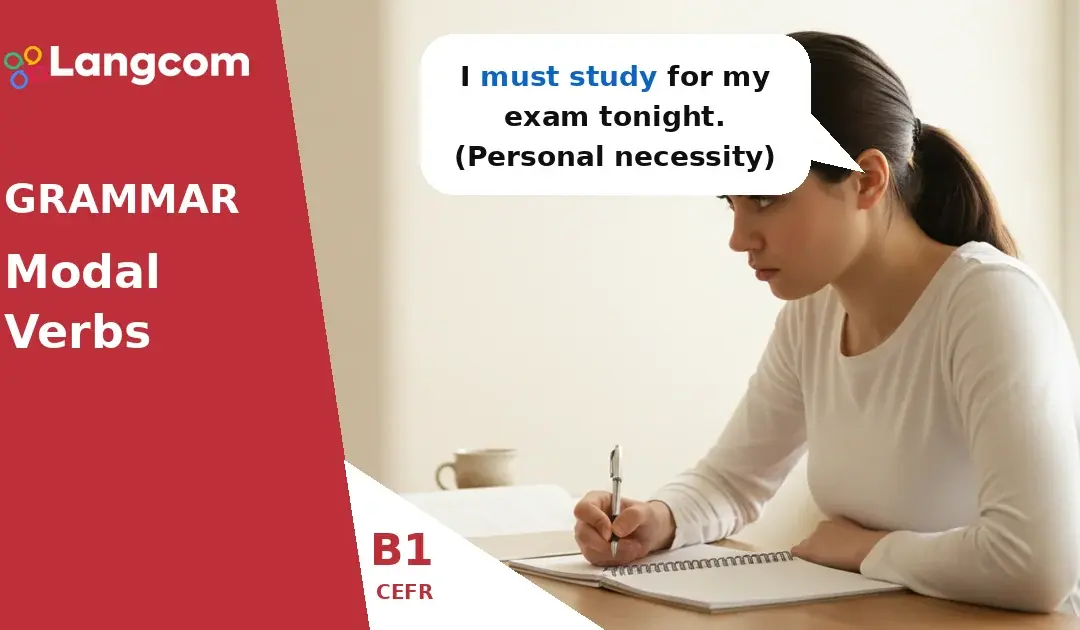
Modals of obligation like must, have to, should, mustn’t, and don’t have to help us talk about rules, necessity, and advice in English. These special verbs change the meaning of the main verb, showing how strong an obligation is, if something is necessary,...
