por Raúl | set 6, 2026 | A1 Inglês para Iniciantes
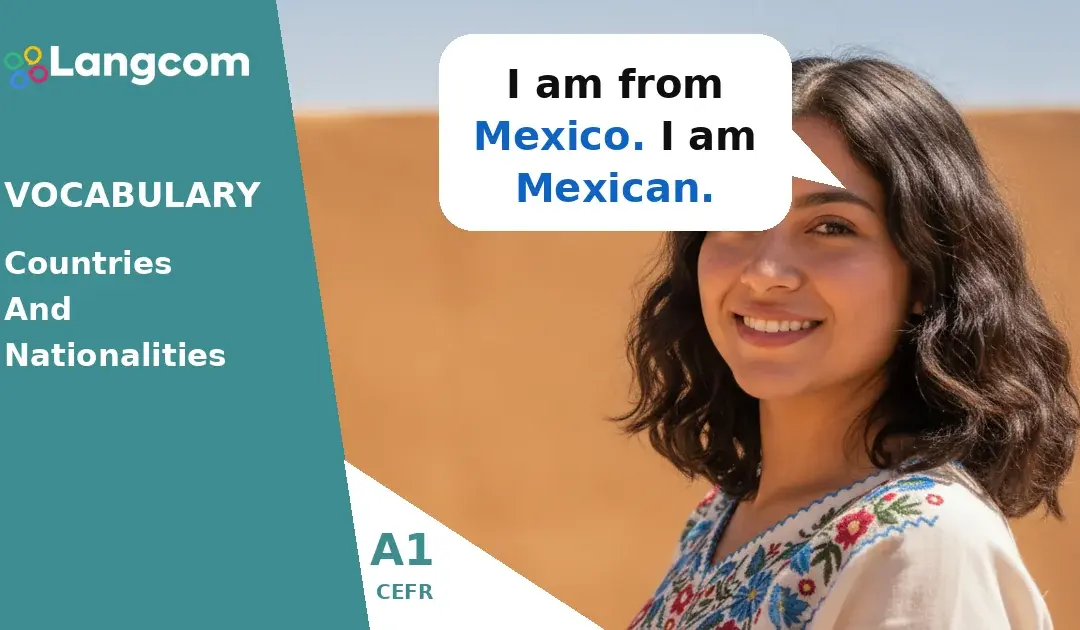
In English, countries tell us where a person or thing comes from, and nationalities describe their origin or identity. It’s important to always capitalize both countries and nationalities. For example, Spain is a country, and Spanish is the nationality. You can...

por Raúl | ago 5, 2026 | A1 Inglês para Iniciantes
The verb be helps us talk about who we are, where we are, and how we feel. It is one of the most important verbs in English and changes its form depending on the subject. For I, we use am, as in I am a student. For you (singular or plural) and we, we use are, as in...
por Raúl | ago 5, 2026 | A1 Inglês para Iniciantes
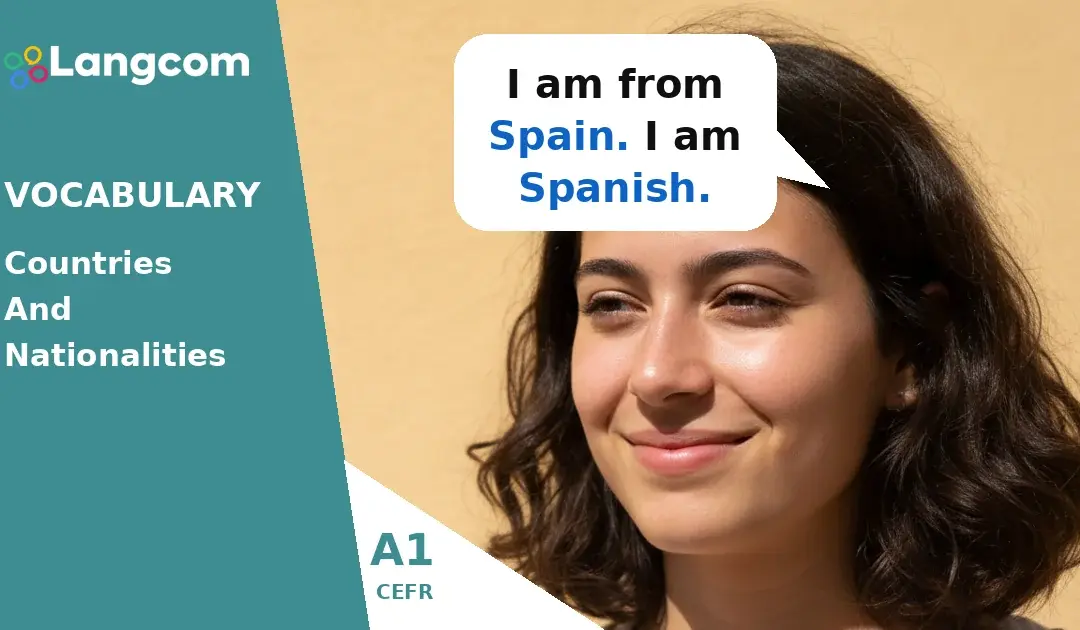
Countries are names for places on a map, like Spain or Japan. Nationalities are words that describe where a person is from, for example, someone from Spain is Spanish. These words help us talk about people’s origins and identities. We use them to introduce...

por Raúl | ago 5, 2026 | A1 Inglês para Iniciantes
To make ‘be’ negative for ‘I,’ ‘you,’ and ‘we,’ you add not after the verb. This is a basic rule for A1 English. For ‘I,’ we say I am not or the short form I’m not. For ‘you’ (singular or...
por Raúl | ago 4, 2026 | Inglês intermediário B1
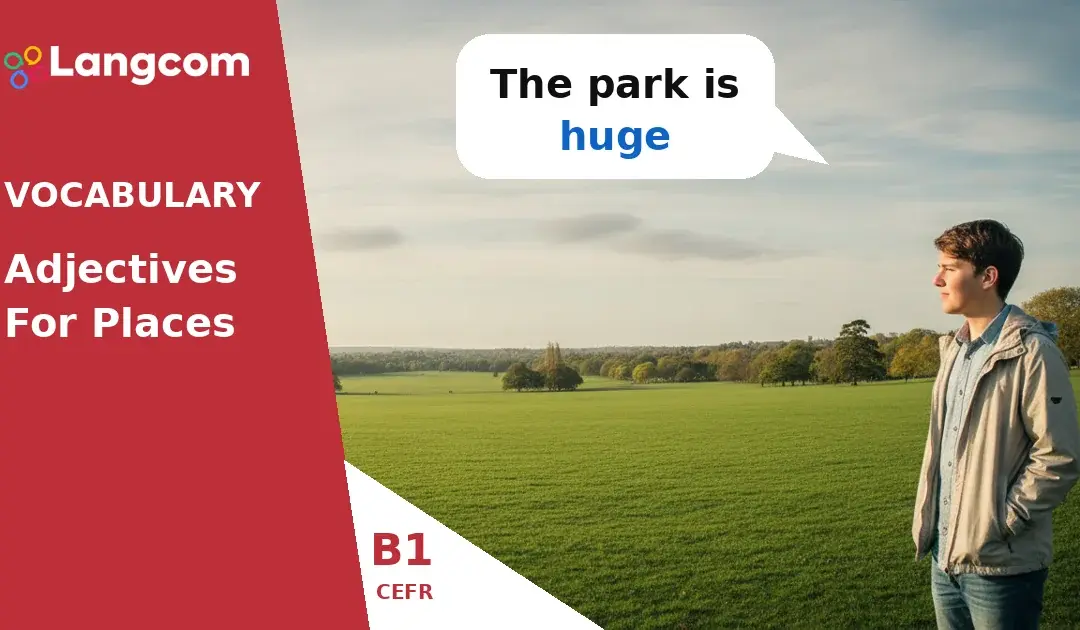
Adjectives for places are words that describe nouns like cities, buildings, parks, and rooms, making your English descriptions much richer and more precise. They tell us about a place’s size, appearance, atmosphere, age, and more. For example, instead of just...

por Raúl | ago 4, 2026 | Inglês intermediário B1
Will is used for spontaneous decisions, offers, promises, and requests about the future, while shall is primarily used in questions to make offers or suggestions, especially with I and we.We often use will when we decide something at the moment of speaking. For...
