
por Raúl | ago 2, 2026 | Inglês intermediário B1
The pronunciation of the -ed ending in English past tense verbs and past participles depends on the final sound of the base verb. There are three possible sounds: /ɪd/, /t/, and /d/. You say /ɪd/ when the verb ends in a /t/ or /d/ sound, making an extra syllable, as...

por Raúl | 30 de julho de 2026 | Inglês intermediário B1
The -ed ending in regular past tense verbs and past participles has three different pronunciations: /ɪd/, /t/, or /d/. The sound depends on the final sound of the base verb before -ed is added. The most important rule to remember is that you only add an extra syllable...

por Raúl | 30 de julho de 2026 | Inglês intermediário B1
To form negative sentences and questions in the Past Simple, we use the auxiliary verb did. This is a key rule for most verbs in English. For negative statements, you combine did with not (or didn’t) and the base form of the main verb. For questions, did comes...

por Raúl | 30 de julho de 2026 | Inglês intermediário B1
The Past Simple positive describes actions that started and finished at a specific time in the past. It is one of the most common tenses in English, used to talk about completed events, stories, and past habits. To form it, we use the base form of regular verbs and...
por Raúl | 30 de julho de 2026 | Inglês intermediário B1
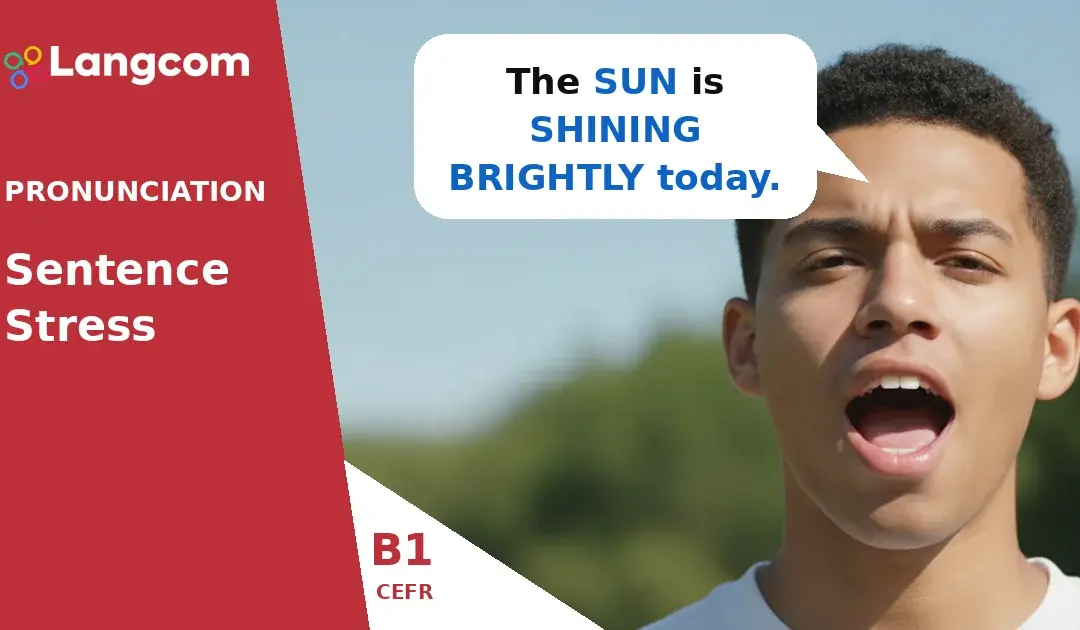
A ênfase na frase é o ritmo do inglês falado, em que algumas palavras são pronunciadas com mais ênfase e clareza do que outras. Esse padrão natural ajuda os ouvintes a compreenderem sua mensagem com facilidade. Em inglês, costumamos dar ênfase às ‘palavras de conteúdo’ – palavras que transmitem...

por Raúl | 30 de julho de 2026 | Inglês intermediário B1
The Present Simple describes habits, routines, and general truths, while the Present Continuous describes actions happening right now or temporary situations. Use the Present Simple for things that happen regularly, like I wake up early every day. It also states...
