por Raúl | set 22, 2026 | C1 Advanced Inglês
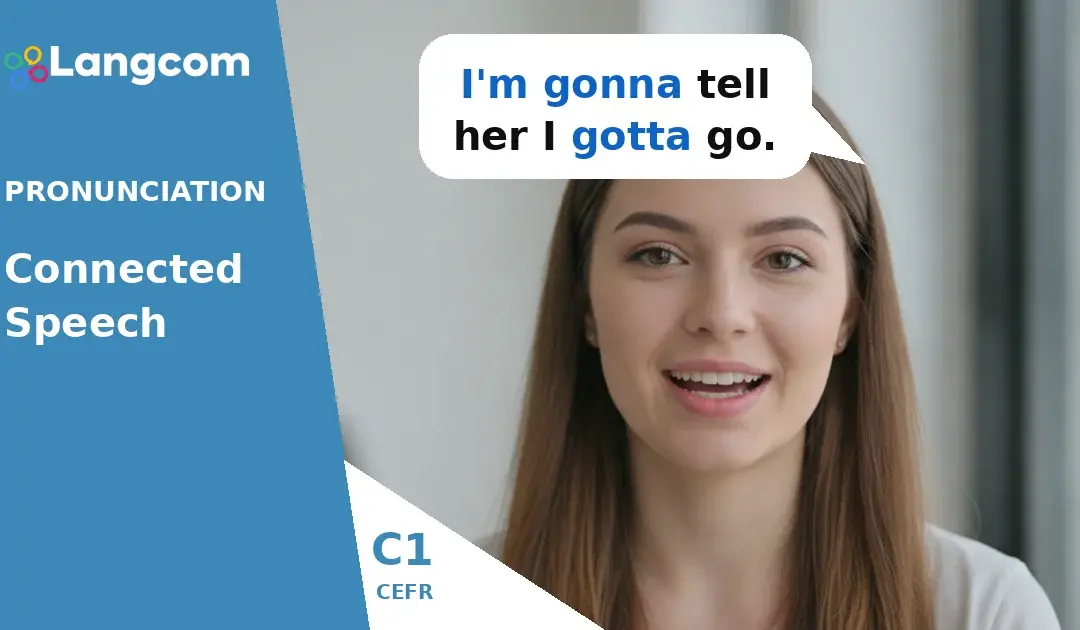
Connected speech is how spoken English sounds when words are linked together, often changing their individual sounds. For C1 learners, understanding connected speech, especially ‘reductions,’ is key to fluent listening. Reductions happen when sounds or...
por Raúl | set 21, 2026 | C1 Advanced Inglês
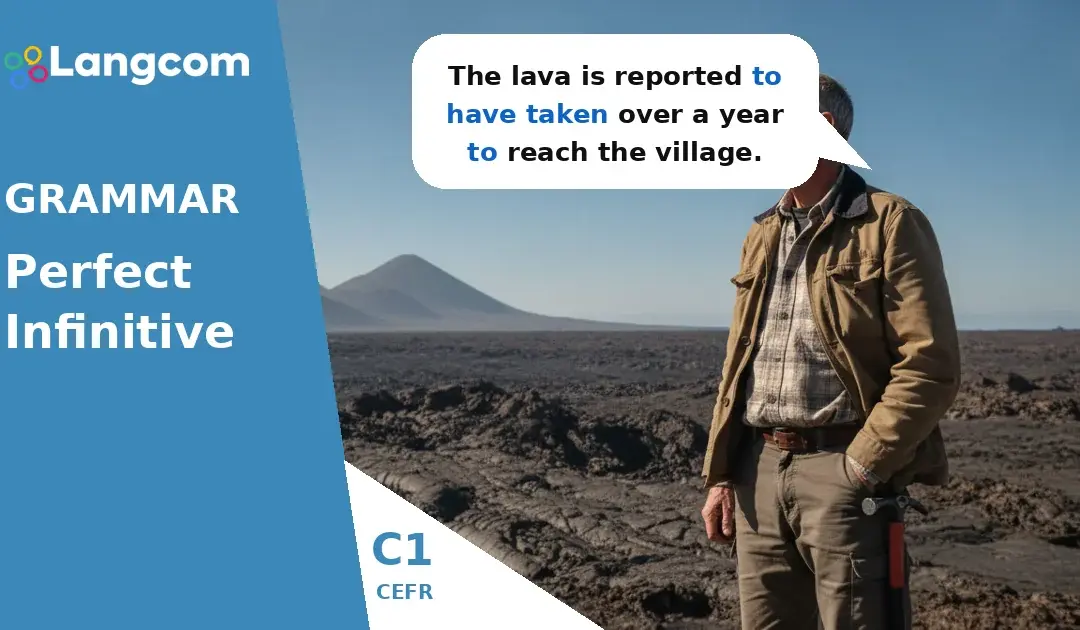
The perfect infinitive (to have + past participle or modal + have + past participle) helps you talk about actions that happened BEFORE another action or point in time in the past. This advanced C1 grammar structure adds precision to your English, allowing you to...
por Raúl | set 21, 2026 | C1 Advanced Inglês
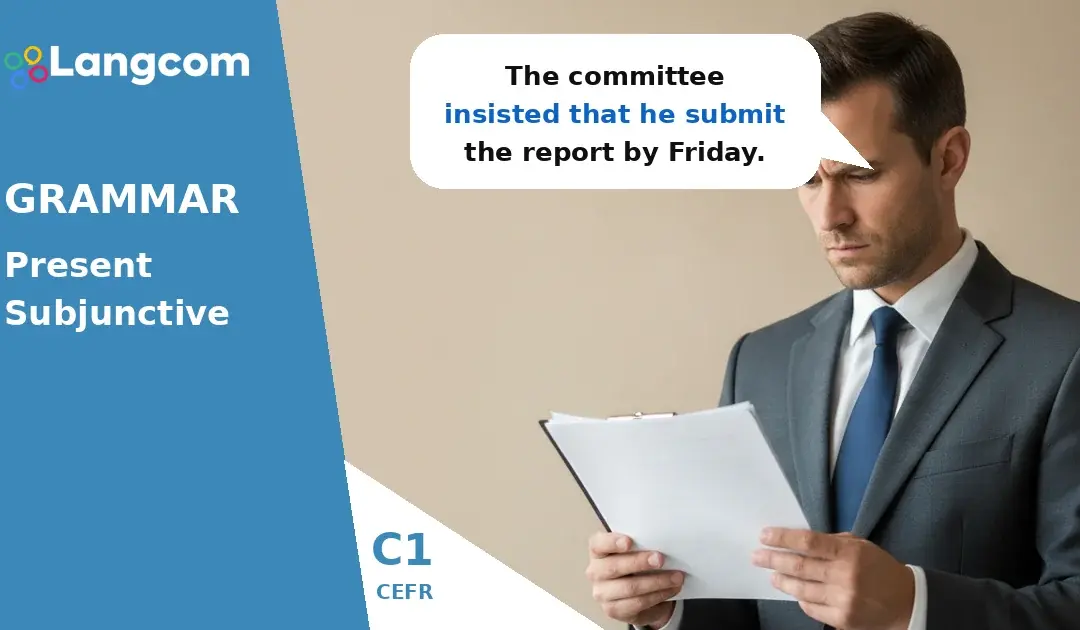
The present subjunctive in English is a formal verb form used to express demands, suggestions, recommendations, or to state that something is important or necessary. It is often found in formal contexts, such as business, legal, or academic writing and speech. The key...
por Raúl | set 21, 2026 | A1 Inglês para Iniciantes
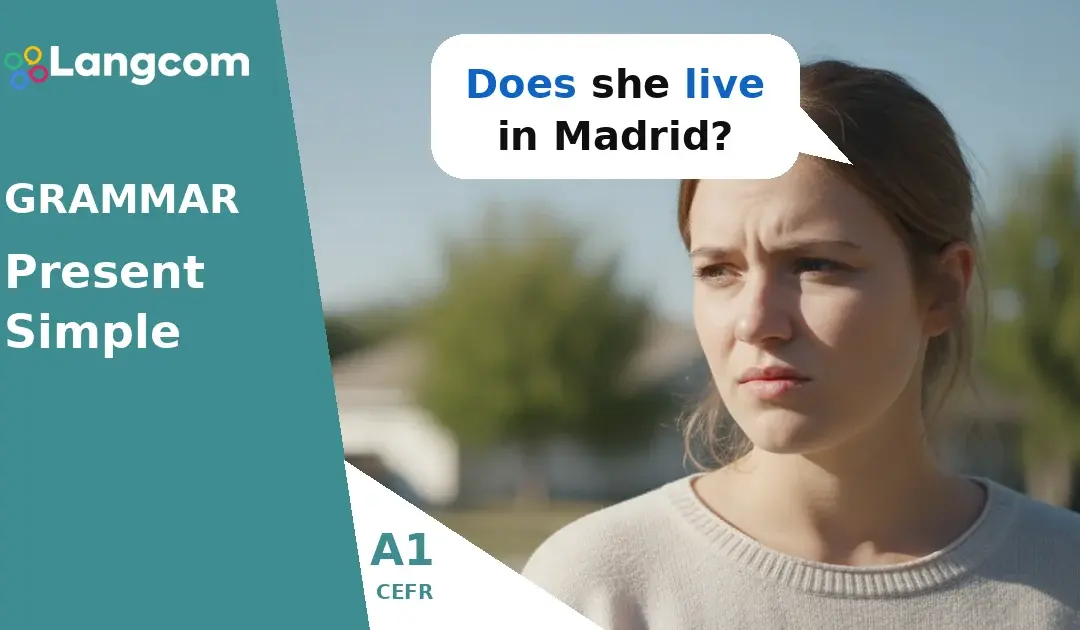
To ask questions about ‘he’, ‘she’, or ‘it’ in the Present Simple, we always use the helping verb does. This is different from ‘I’, ‘you’, ‘we’, or ‘they’, which use do. Remember, does...
por Raúl | set 21, 2026 | A1 Inglês para Iniciantes
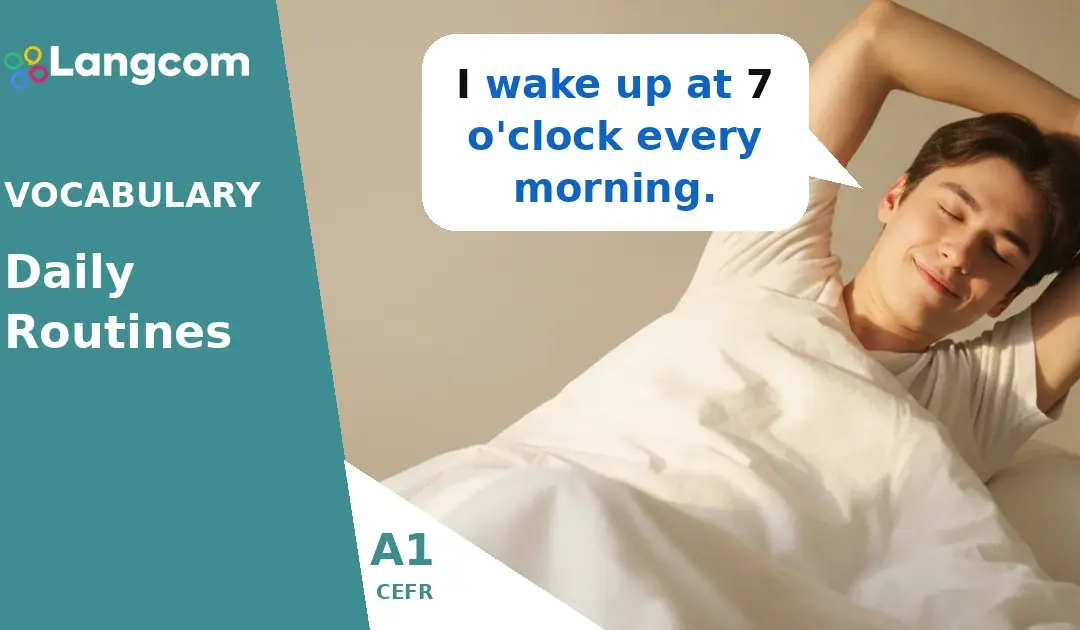
Wake up means to stop sleeping. Get up means to leave your bed. Go to bed means to enter your bed to sleep. These three common verbs are essential for talking about your daily routine in English. Understanding their differences helps you describe your morning and...
por Raúl | set 19, 2026 | C1 Advanced Inglês
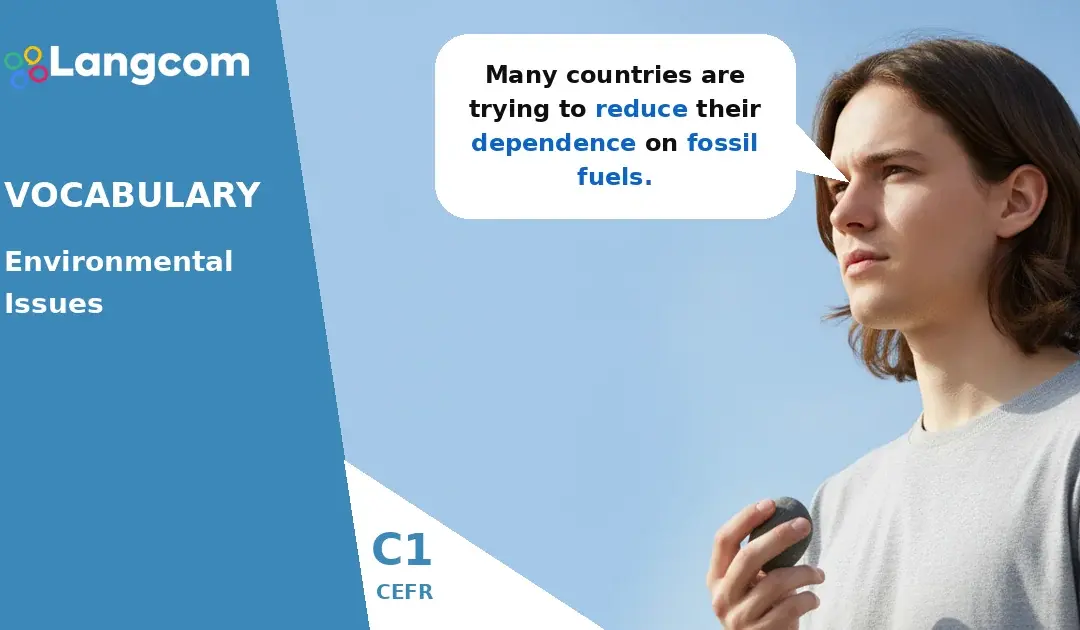
The most important takeaway for C1 learners discussing global energy issues is to understand and correctly use specific vocabulary to differentiate between energy sources, their environmental impact, and related solutions. This includes terms like fossil fuels, which...
