por Raúl | set 20, 2026 | B2 First (FCE)
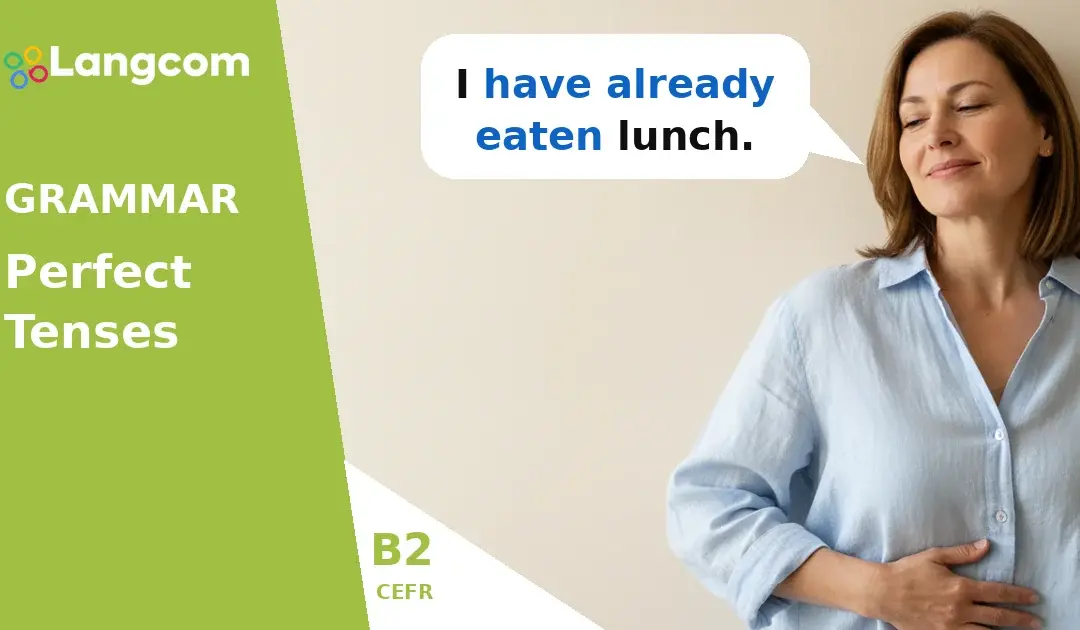
Perfect tenses in English connect an action or state from one point in time to another, emphasizing completion or duration. They are crucial for B2 learners because they allow you to express complex time relationships, essential for natural and accurate communication....

por Raúl | set 20, 2026 | B2 First (FCE)
The main difference between all and whole is that all refers to every single part or member of a group, focusing on quantity, while whole refers to something complete and undivided, focusing on the entirety of a single item. For example, All students passed the exam...
por Raúl | set 19, 2026 | B2 First (FCE)
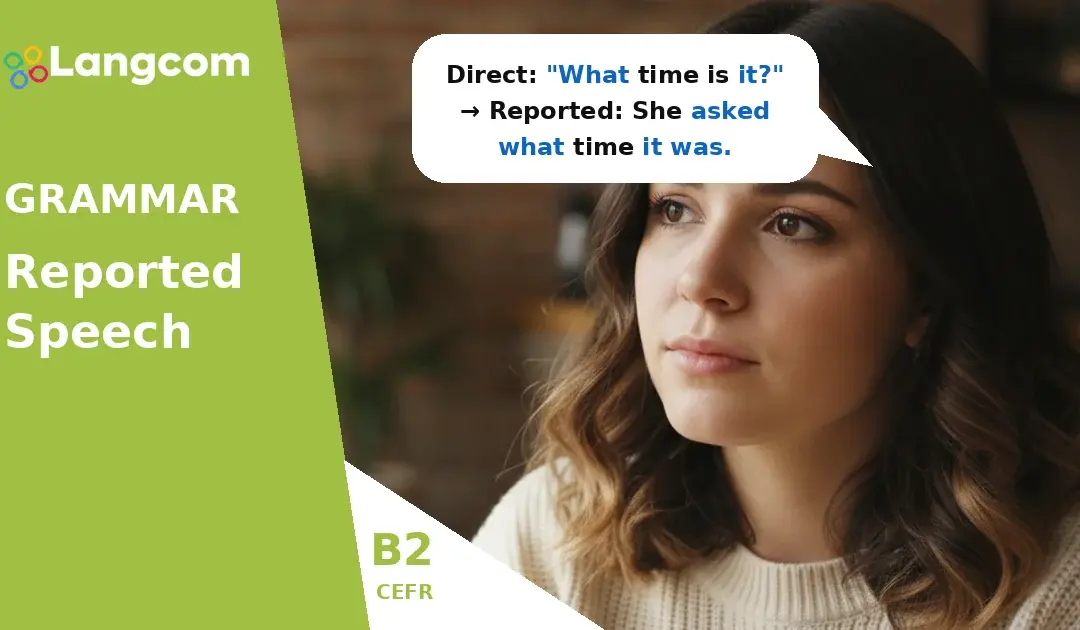
Reported questions allow us to tell someone what another person asked without using their exact words. To form them correctly, you must make three key changes: first, change the word order from a question structure to a statement structure (subject + verb); second,...
por Raúl | set 19, 2026 | B2 First (FCE)
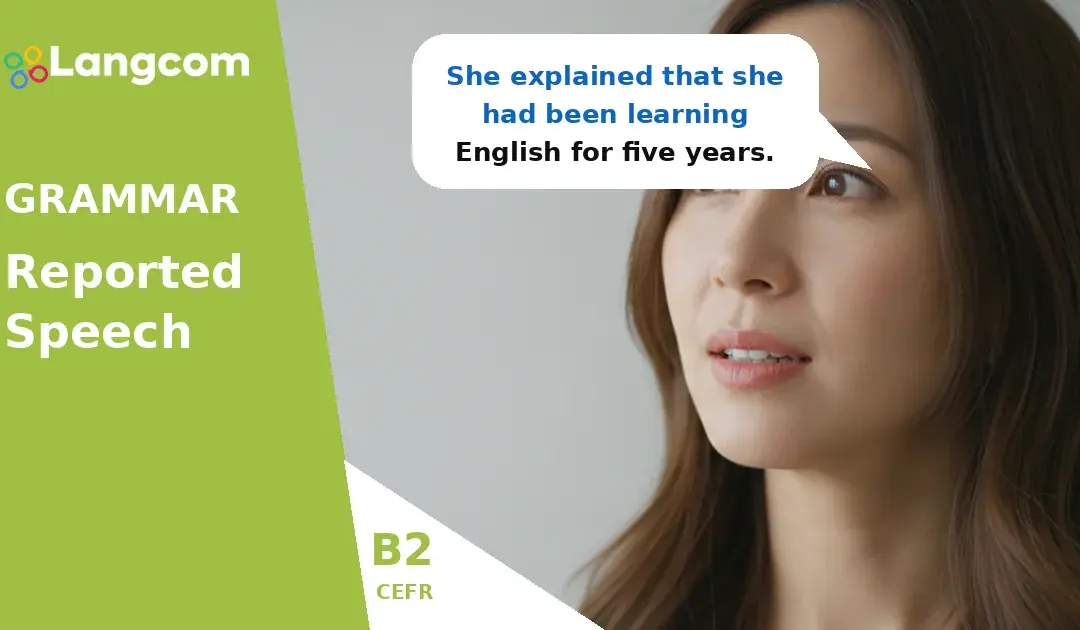
Reported speech is how we tell someone what another person said without using their exact words. The main rule is often “backshift,” where verb tenses move one step back in time. For example, “I am happy” becomes He said he was happy. This...

por Raúl | set 19, 2026 | B2 First (FCE)
Educational describes things related to education, while educated describes a person who has received a good education. Understanding this difference is crucial for B2 English learners aiming for accuracy. These two adjectives, though similar in origin, have distinct...

por Raúl | set 17, 2026 | B2 First (FCE)
The passive voice helps you focus on the action or result of an event, rather than who performed it. It is formed using a form of the verb to be followed by the past participle of the main verb. We often use the passive when the person or thing doing the action is...
