por Raúl | ago 3, 2026 | A2 Key (KET)
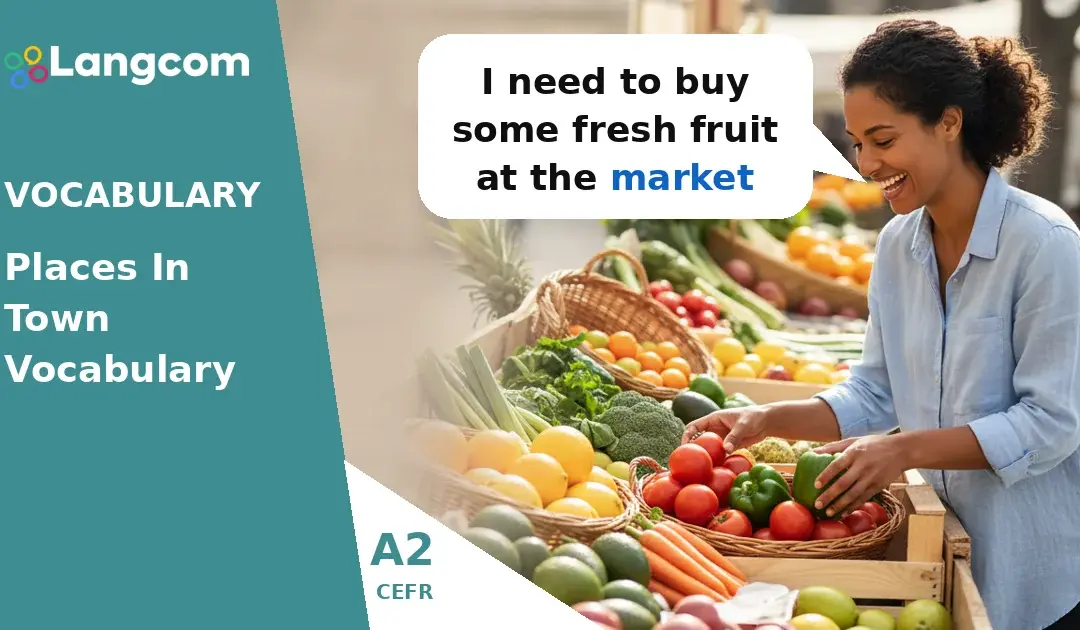
Learning vocabulary for places in town helps you talk about where you go and what you do. Knowing these words is very useful for daily life and for the A2 Key English exam. You can describe your city, ask for directions, or talk about your routine. Words like...
por Raúl | ago 3, 2026 | A2 Key (KET)
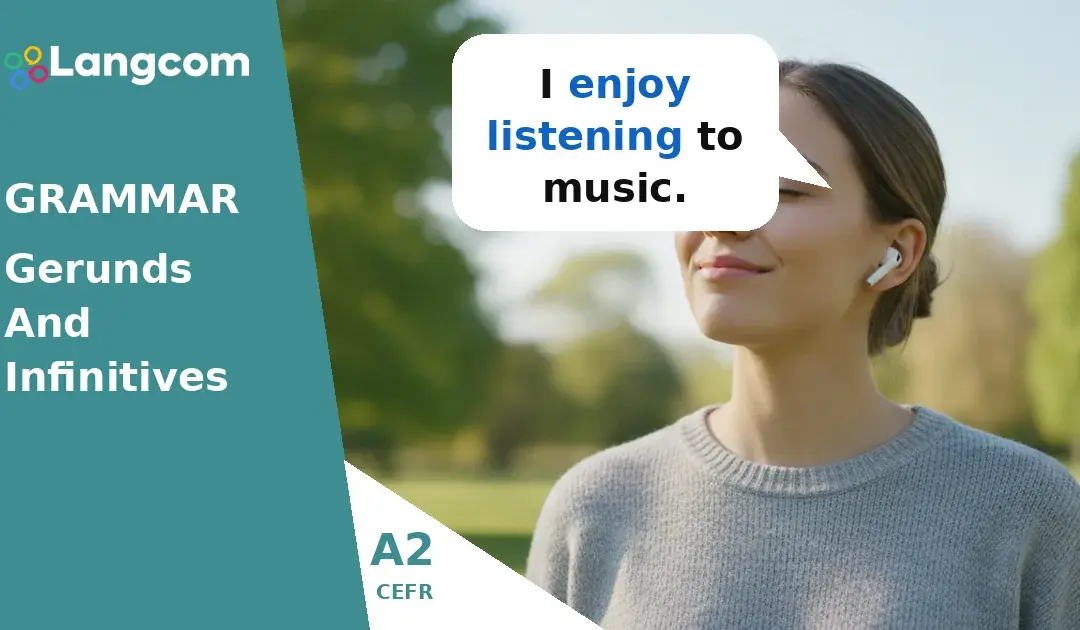
Understanding when to use -ing (a gerund) or to + infinitive after a verb is a key step in A2 English. Many verbs in English are followed by another verb. The form of this second verb depends on the first verb. For example, after verbs like enjoy, we use the -ing...
por Raúl | ago 3, 2026 | A2 Key (KET)
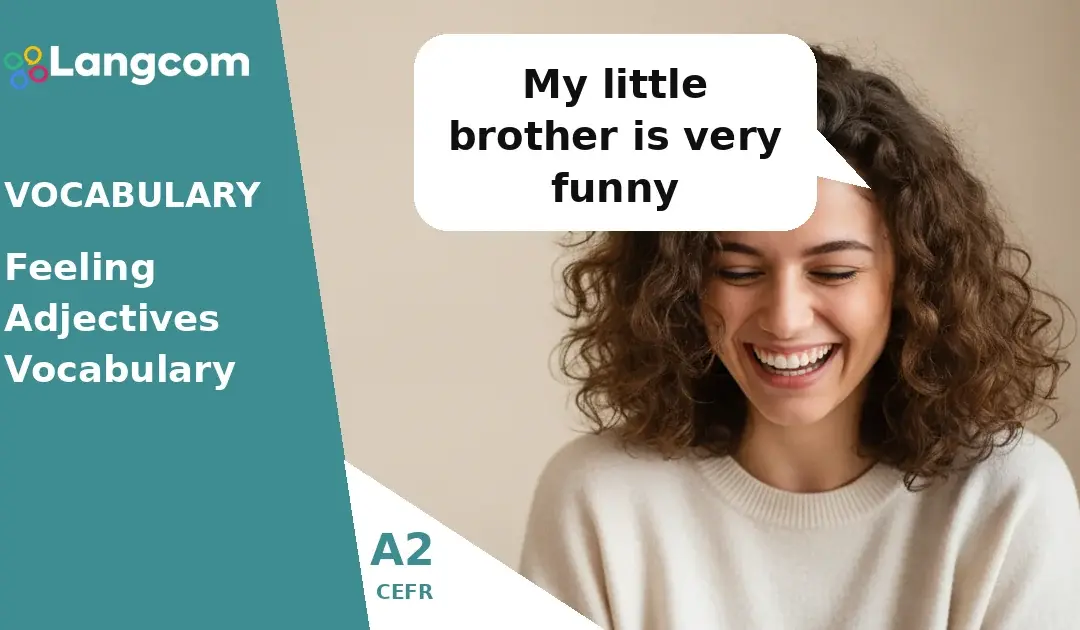
Adjectives are words that describe nouns (people, places, things, or ideas). They add detail and make your sentences more interesting. For example, instead of just saying “The film was good,” you can say “The film was amazing!” or “The...
por Raúl | ago 3, 2026 | A2 Key (KET)
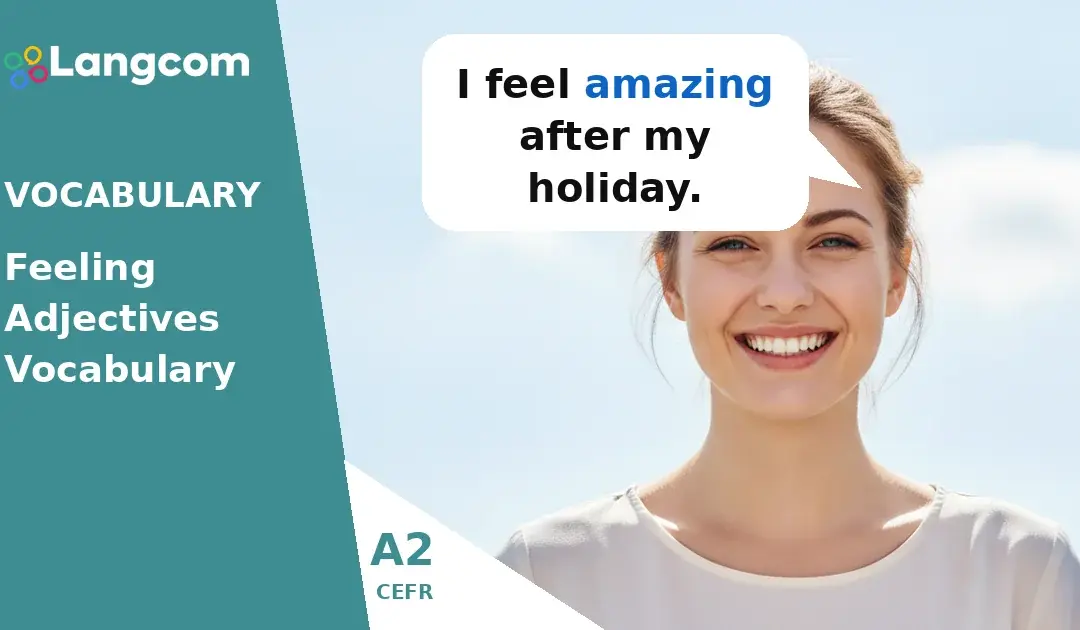
Feeling adjectives help you describe how people feel and react to situations. These words are essential for everyday English conversations and for exams like the A2 Key. They tell us about emotions, physical states, or general moods. For example, you can say I am...
por Raúl | ago 3, 2026 | A2 Key (KET)
Asking questions in English is essential for daily communication, allowing you to get information and interact with others. There are two main types of questions: Yes/No questions and Wh- questions. Yes/No questions ask for a simple “yes” or...
por Raúl | ago 2, 2026 | A2 Key (KET)
To sound natural in English, remember that the word can has two different pronunciations, and can’t has a distinct strong pronunciation. In most positive sentences and questions, can is pronounced with a short, weak sound, like /kən/. This is because it’s...
