por Raúl | set 13, 2026 | Inglês intermediário superior B2
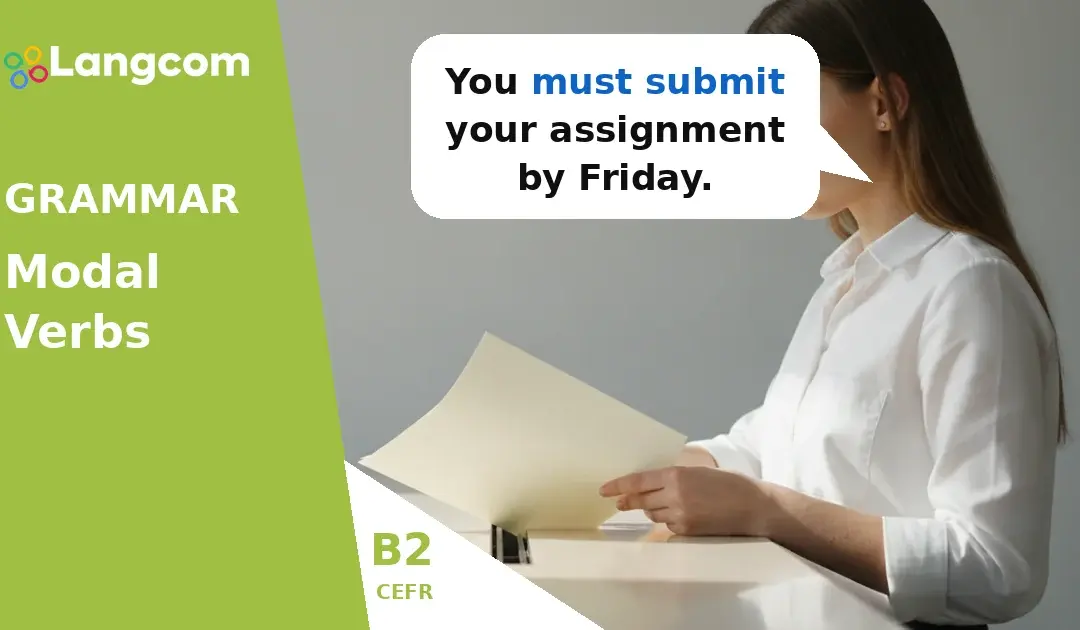
Modal verbs like must, have to, need to, can, and can’t are crucial for expressing necessity, obligation, and possibility in English at a B2 level. These verbs help you communicate whether something is required, optional, or simply possible. Understanding their...
por Raúl | set 13, 2026 | Inglês intermediário superior B2
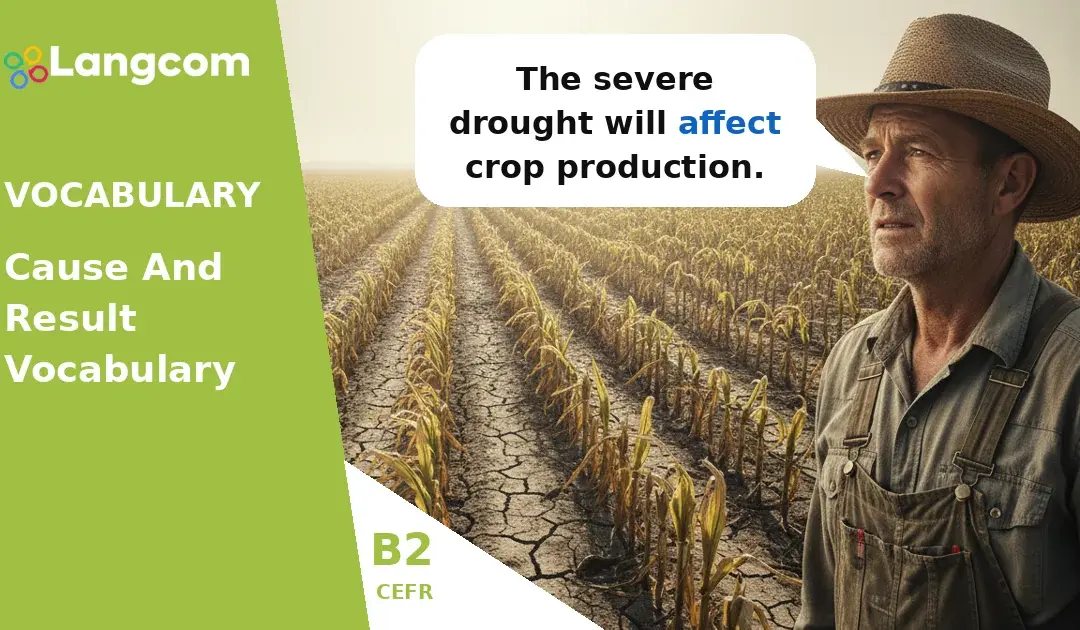
Understanding cause and result vocabulary is essential for B2 English learners to express complex ideas clearly. The main distinction to master is between affect (a verb meaning to influence) and effect (a noun meaning the result of an action). For instance, The new...

por Raúl | set 13, 2026 | Inglês intermediário superior B2
Used to and would both describe past habits, but used to can also describe past states, while would cannot. We use used to + base verb to talk about actions or situations that were true in the past but are not true now. For example, I used to live in Madrid means I...

por Raúl | set 13, 2026 | Inglês intermediário B1
Sentence stress is about which words you make stronger and clearer in a sentence. It helps listeners understand your message easily and makes your English sound much more natural. In English, we usually stress ‘content words’ – these are the words that...

por Raúl | set 13, 2026 | Inglês intermediário B1
The Present Perfect Simple focuses on completed actions or states that have a result now, or actions that happened at an unspecified time in the past. It tells us ‘what has happened’. In contrast, the Present Perfect Continuous emphasizes the duration or...
