
por Raúl | set 27, 2026 | B1 Preliminary (PET)
-ed and -ing adjectives are essential for describing feelings and what causes them. Many English adjectives come from verbs and end in either -ed or -ing. The key difference is simple: -ed adjectives describe *how a person or an animal feels*, like I am bored. They...
por Raúl | set 26, 2026 | B1 Preliminary (PET)
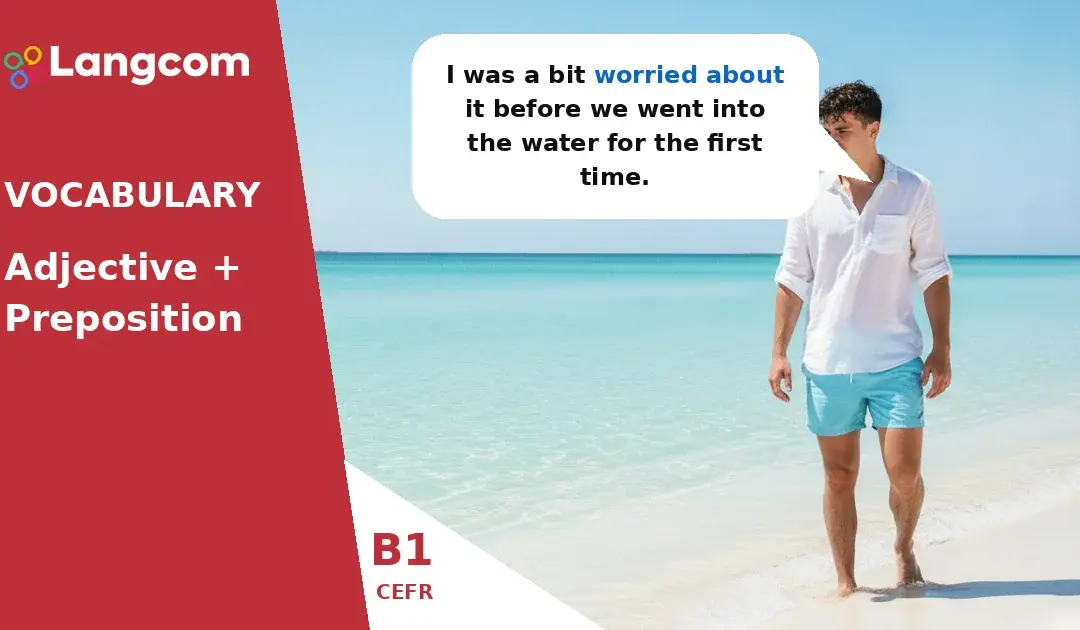
Adjectives often need a specific preposition to complete their meaning in English. These combinations are fixed, which means you cannot usually change the preposition. For example, we say interested in, not interested about. Learning these pairs helps your English...
por Raúl | set 26, 2026 | B1 Preliminary (PET)
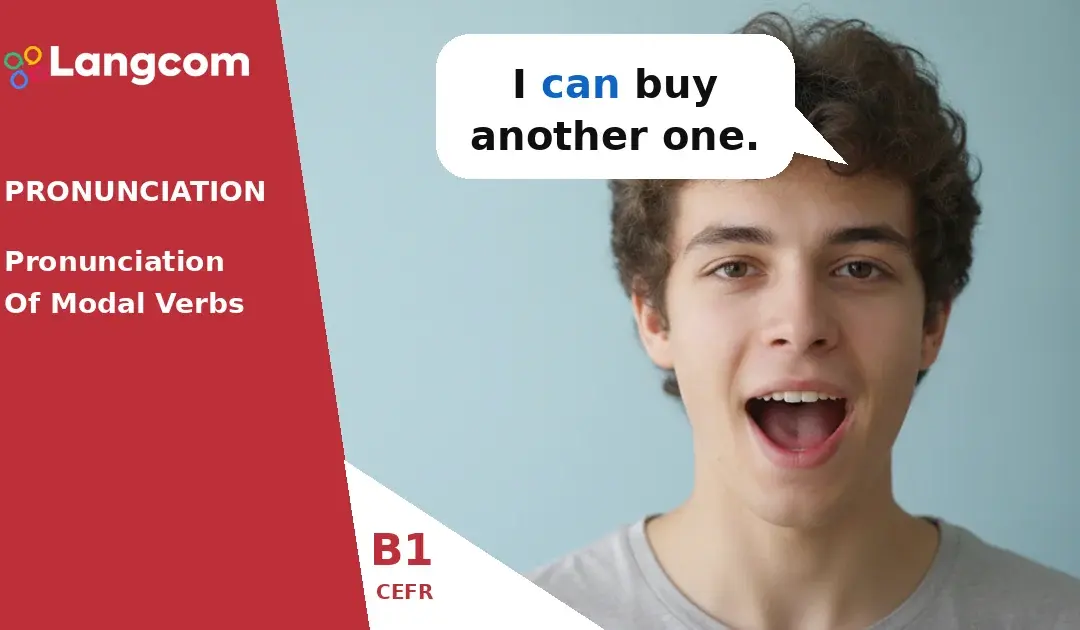
Modal verbs in English often have two pronunciations: a strong form and a weak form. This difference is key for sounding natural and understanding native speakers. The weak form is used when the modal verb is not stressed in a sentence. It helps English flow smoothly...

por Raúl | set 26, 2026 | B1 Preliminary (PET)
Modal verbs like should, must, and have to are essential for expressing advice, obligation, and prohibition in English. They help us communicate what is a good idea, what is necessary, or what is not allowed. For example, you use should for suggestions, as in You...

por Raúl | set 26, 2026 | B1 Preliminary (PET)
Learning adjectives and their opposites helps you describe things more precisely and express a wider range of ideas in English. Adjectives are words that describe nouns, telling us more about people, places, things, or ideas. By knowing their opposites, you can...
