por Raúl | jul 19, 2026 | Inglês para crianças – Nível Pré-A1 (Iniciante)
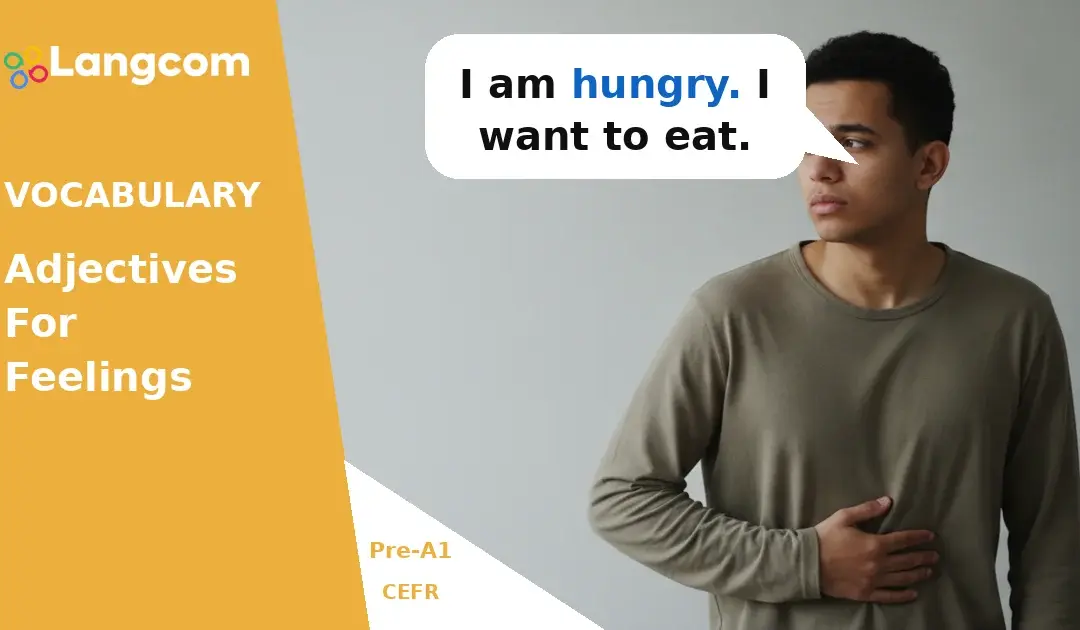
You can tell people how you feel in English using simple adjectives like happy, sad, or tired. These words help you share your emotions and physical states clearly. For example, if you need food, you can say I am hungry. If you want water, you say I am thirsty. If you...
por Raúl | jul 19, 2026 | Inglês para crianças – Nível Pré-A1 (Iniciante)
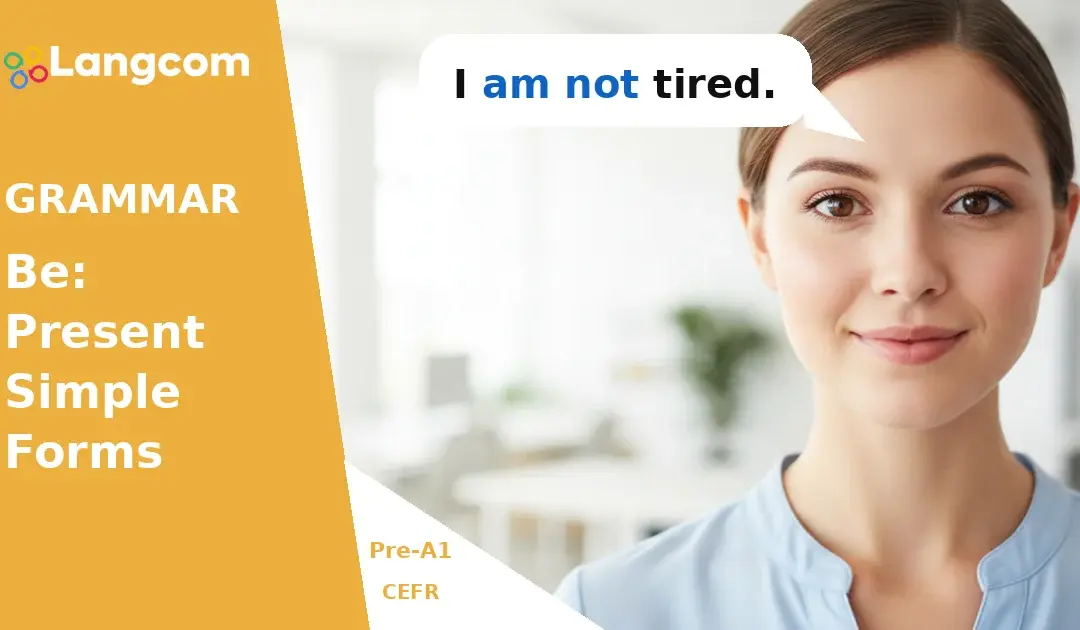
To make a sentence negative with the verb to be in English, you simply add not after am, is, or are. This structure helps you say that something is not true, not present, or not a fact. For example, if you want to say you are not a doctor, you say I am not a doctor....

por Raúl | jul 19, 2026 | Inglês intermediário superior B2
Connected speech makes your English sound natural and fluent, just like native speakers. When words join together in spoken English, they often change their individual sounds. This process, known as connected speech, includes two important features: linking and...

por Raúl | jul 19, 2026 | Inglês intermediário superior B2
To speak English with more precision and nuance, it is essential to use specific verbs of thought and knowledge instead of always relying on think or know. These common verbs are useful, but they often lack the exact meaning you want to convey. By choosing more...

por Raúl | jul 19, 2026 | Inglês intermediário superior B2
Reporting verbs help us share what someone said or thought, but they follow different grammar patterns in English. Mastering these patterns is crucial for clear and natural communication at a B2 level. These verbs, like say, tell, suggest, or admit, introduce reported...
