投稿者 ラウル | 2026年7月14日 | A1 英語(初級)
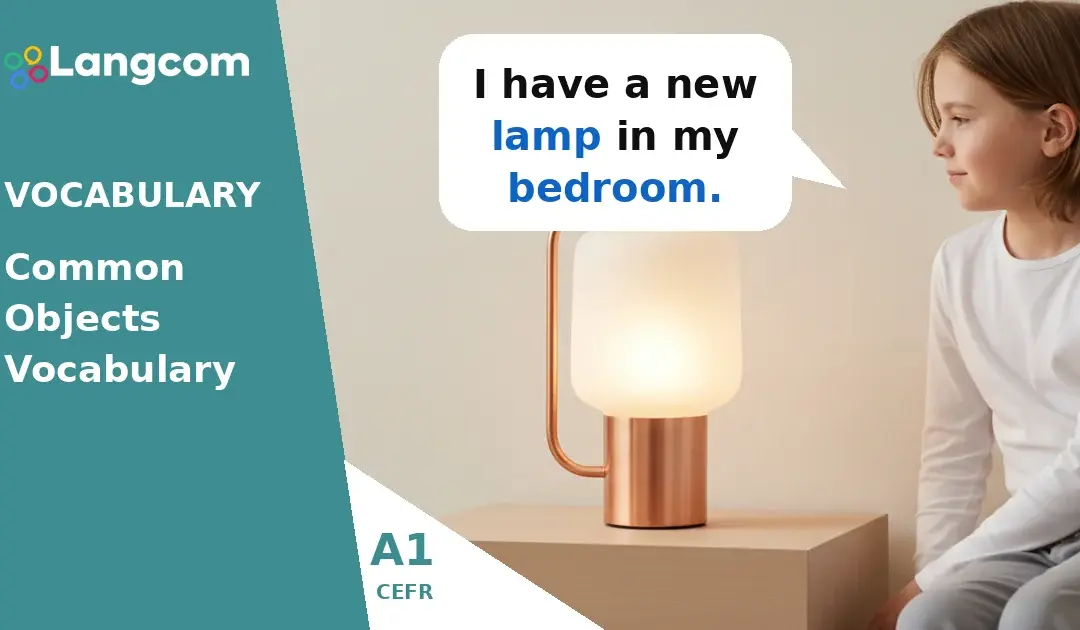
Learning the names of common objects helps you talk about your home and daily life in English. These are the things you see and use every day, like a chair, a table, or a lamp. Knowing these words is a great first step for A1 English learners. It allows you to...
投稿者 ラウル | 2026年7月14日 | A1 英語(初級)
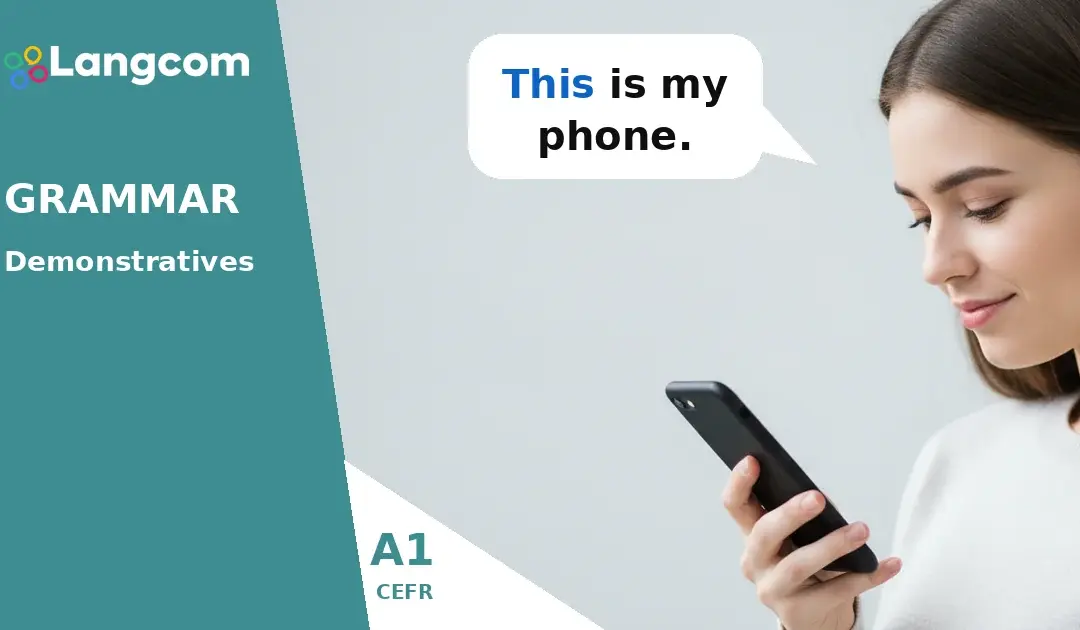
Demonstratives are special words that help us point to things. They tell us if something is close to us or far away, and if there is one thing or many things. In English, we use this and these for things that are near the speaker. We use that and those for things that...
投稿者 ラウル | 2026年7月14日 | A1レベル前の子供向け英語(初心者向け)
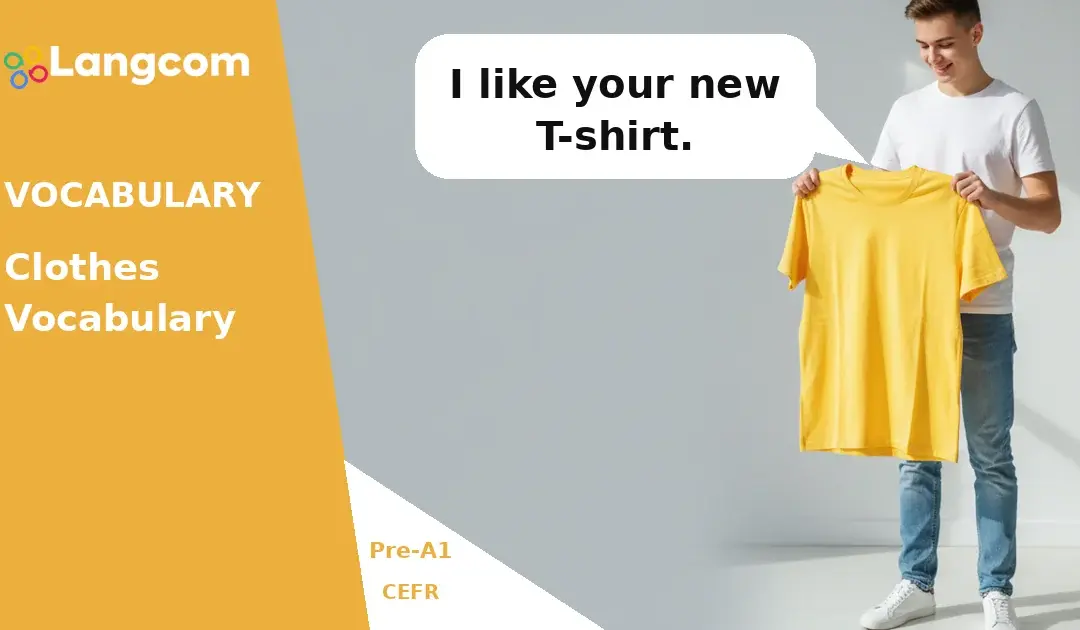
Learning basic English words for clothes helps you talk about what you wear every day and understand others. These words are very useful when you go shopping, describe people, or talk about the weather and what to wear. You can learn simple words like T-shirt, dress,...
投稿者 ラウル | 2026年7月14日 | A1 英語(初級)
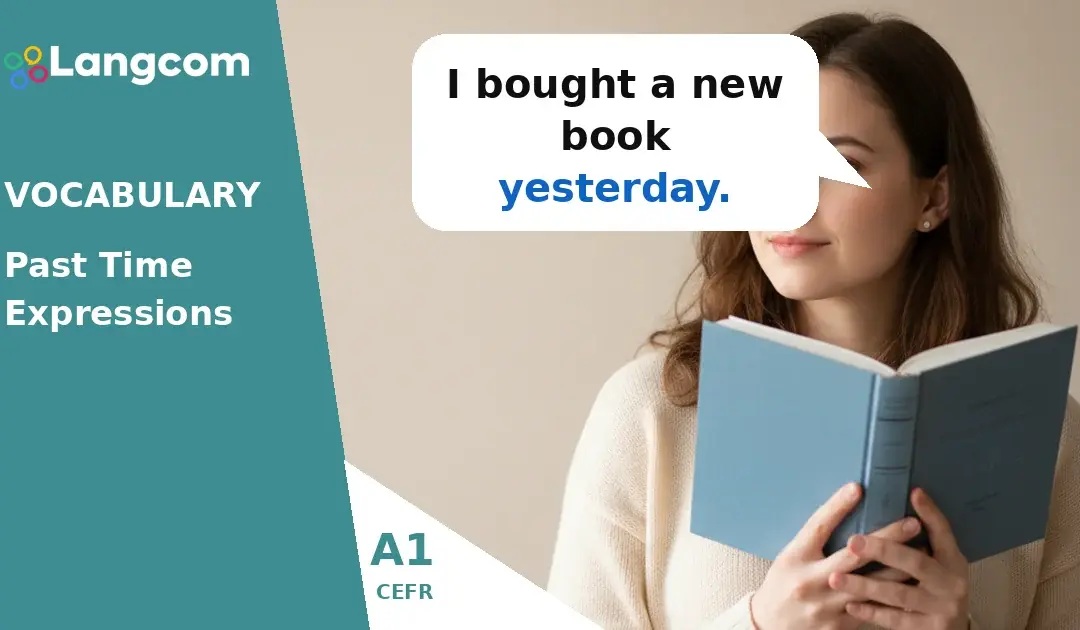
Past time expressions tell us when something happened in the past. They are very important for talking about events that are finished. At A1 level, you will learn common phrases like yesterday, last week, and two days ago. These expressions help you make simple...

投稿者 ラウル | 7月 13, 2026 | A1 英語(初級)
The Past Simple of the verb to be helps you talk about states, feelings, or locations in the past. We use two main forms: was and were. Was is for singular subjects like I, he, she, and it. For example, I was happy yesterday. Were is for plural subjects like you, we,...
