投稿者 ラウル | 2026年9月13日 | C1 Advanced 英語
-Ever words like whatever, whoever, and however are powerful C1 English tools that express indifference, uncertainty, or generality, rather than asking a direct question. They combine a question word (who, what, when, where, which, how) with the suffix -ever. These...

投稿者 ラウル | 2026年9月13日 | C1 Advanced 英語
Cleft sentences are special grammatical structures used to add emphasis to a specific part of a sentence, making your communication clearer and more impactful in English. They allow you to highlight new or important information, drawing the listener’s or...
投稿者 ラウル | 2026年9月13日 | C1 Advanced 英語
Adverbs of attitude and intensity are powerful C1 tools that modify adjectives, adding nuance, emphasis, or a specific perspective to your descriptions. These adverbs go beyond simple intensifiers like “very” to express a precise degree or feeling, making...

投稿者 ラウル | 2026年9月13日 | Pre A1 Starters
Possessive adjectives his, her, and their tell us who owns something or to whom something belongs. We use his when the owner is a man or a boy. We use her when the owner is a woman or a girl. And we use their when the owners are two or more people, or a group. These...
投稿者 ラウル | 9月 12, 2026 | Pre A1 Starters
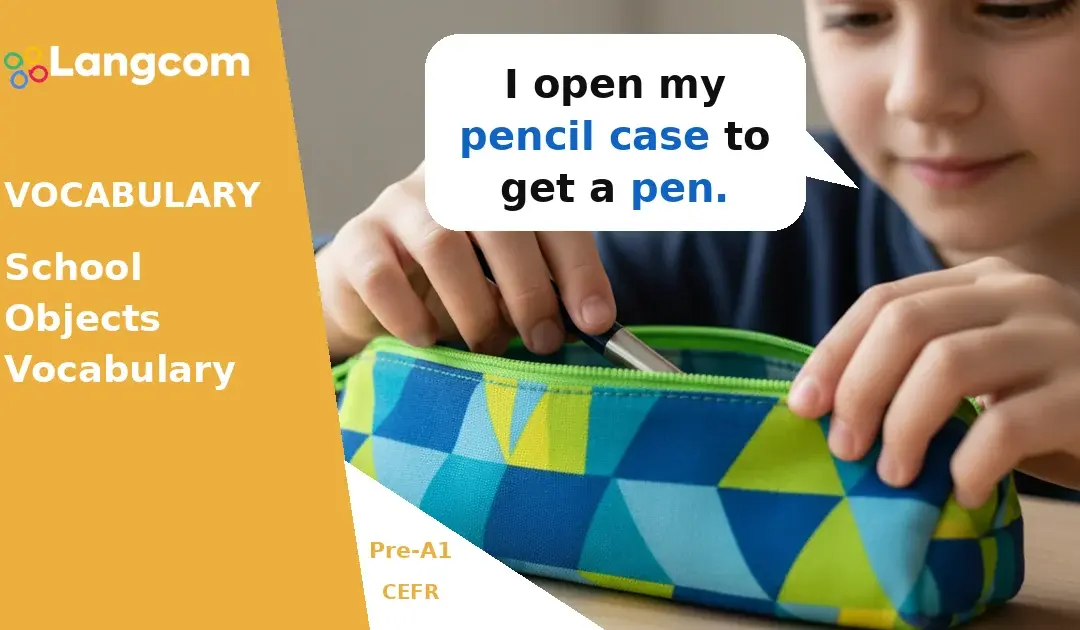
Case and board are common English words that combine with other words to make new nouns for school items and furniture. These are called compound nouns. They help us name things like where we put pencils or where we write in class.A case is a container, like a box,...
