投稿者 ラウル | 2026年9月8日 | B1 中級英語
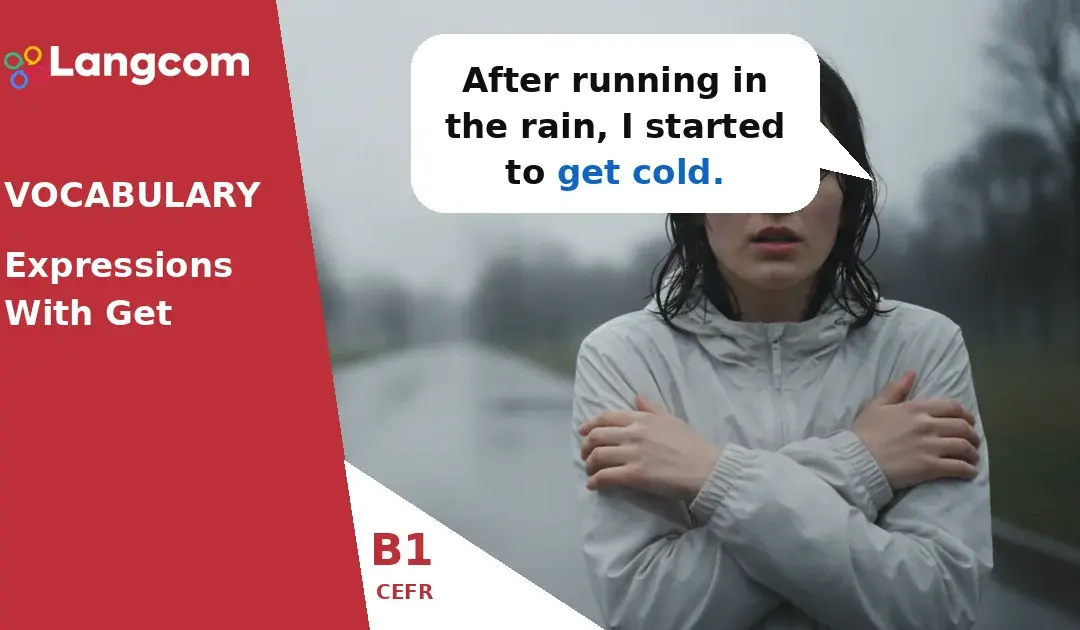
The verb get is one of the most common and versatile verbs in English, especially when combined with other words to form ‘collocations’. Collocations are natural word partnerships. They are groups of words that often go together, making your English sound...

投稿者 ラウル | 2026年9月8日 | B1 中級英語
Comparatives help you compare two things or actions, while superlatives describe one thing as the extreme in a group. For example, you might say My car is faster than yours (comparative) or This is the fastest car in the world (superlative). We use comparative...
投稿者 ラウル | 2026年9月7日 | B1 中級英語
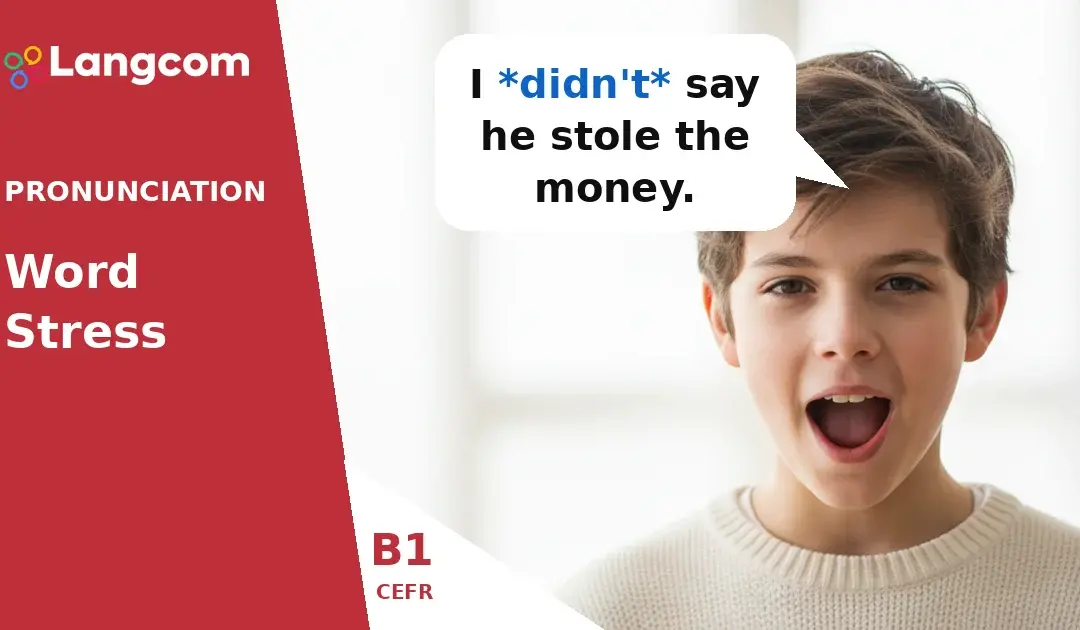
Main stress in English sentences helps you show what is most important in your message. When you speak, you usually make one word in a sentence sound stronger and longer than the others. This is called main stress or sentence stress. It is not always the same word; it...
投稿者 ラウル | 2026年9月7日 | A1 英語(初級)
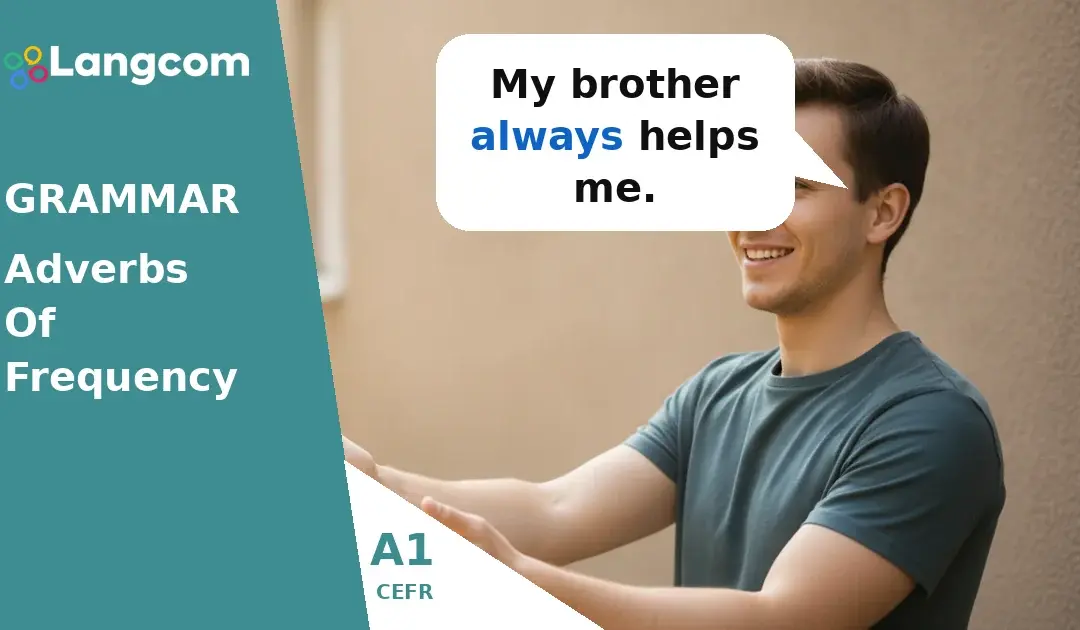
Adverbs of frequency tell us how often something happens. They include words like always, usually, often, sometimes, hardly ever, and never. These words usually go before the main verb in a sentence, for example, I always drink water. However, if the verb is to be...
投稿者 ラウル | 2026年9月7日 | A1 英語(初級)
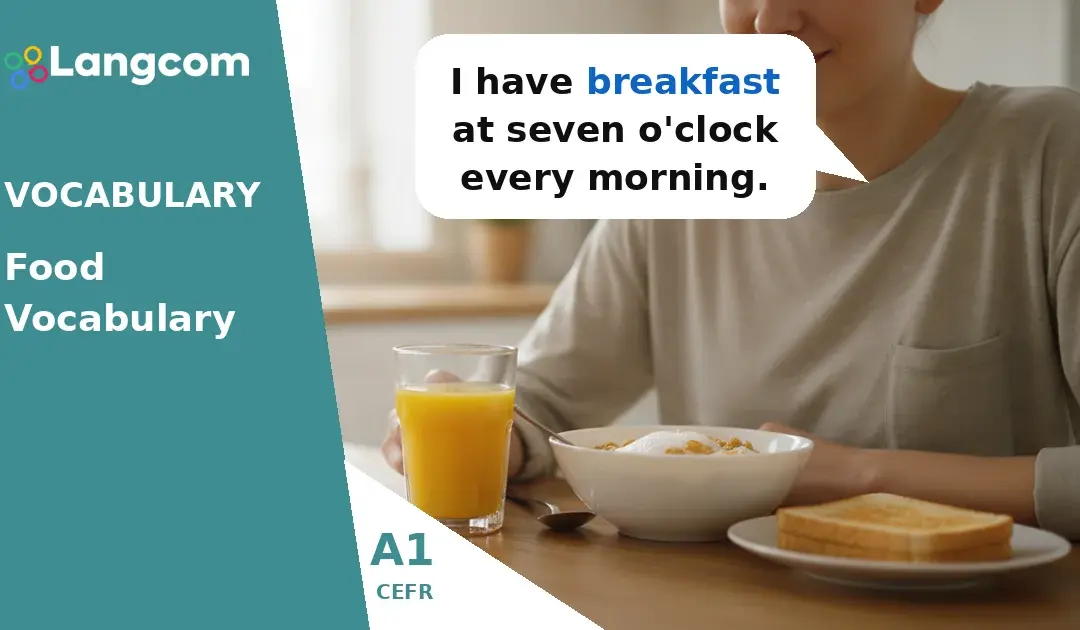
In English, we use specific words like breakfast, lunch, and dinner to talk about the main meals of the day. These words are very common in daily conversation and help you share information about your routine. To say you eat a meal, we usually use the verb have. For...
投稿者 ラウル | 2026年9月7日 | A1 英語(初級)
To ask questions in the Present Simple for subjects I, you, we, and they, you always start with the word Do. This is very important! After Do, you add the subject (like you or they), and then the main verb in its base form. For example, to ask about someone’s...
